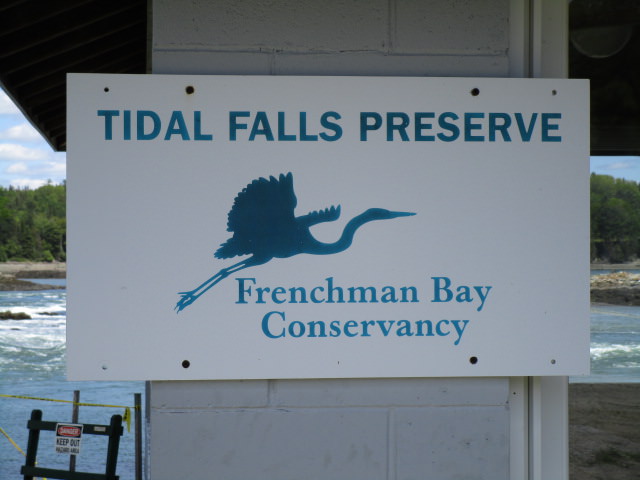
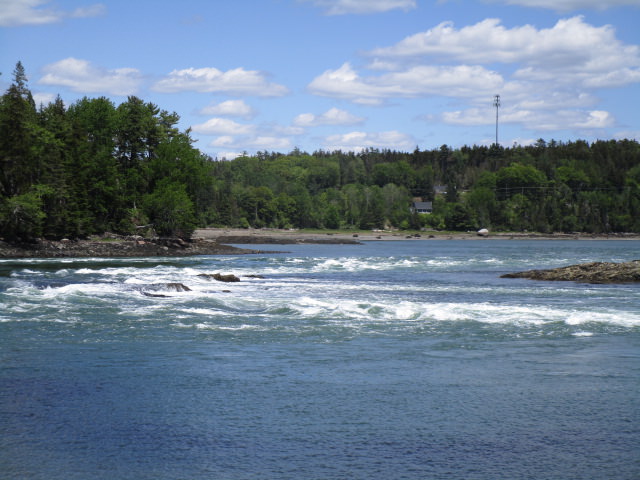
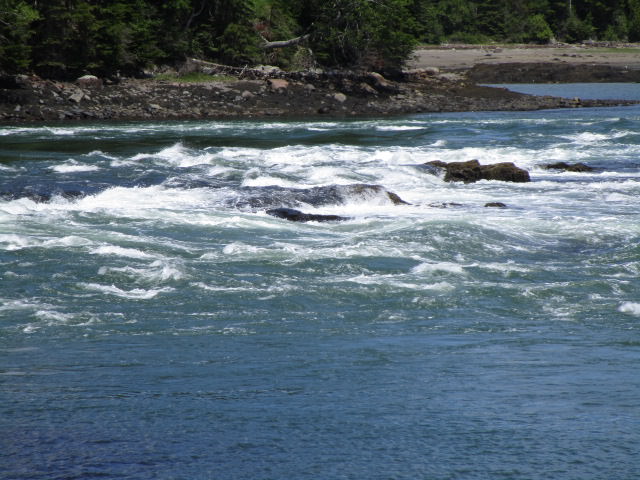
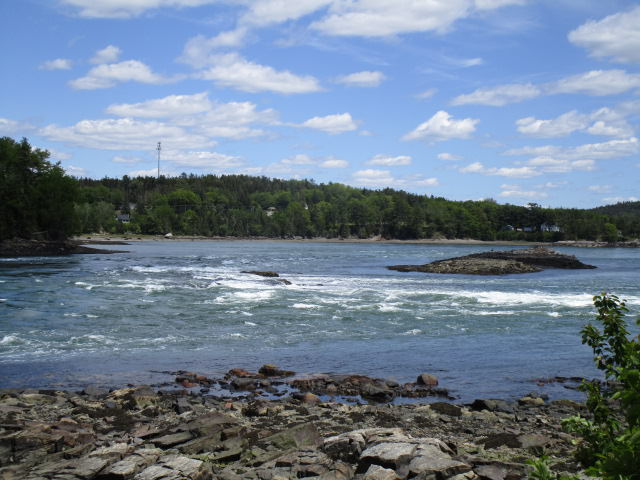
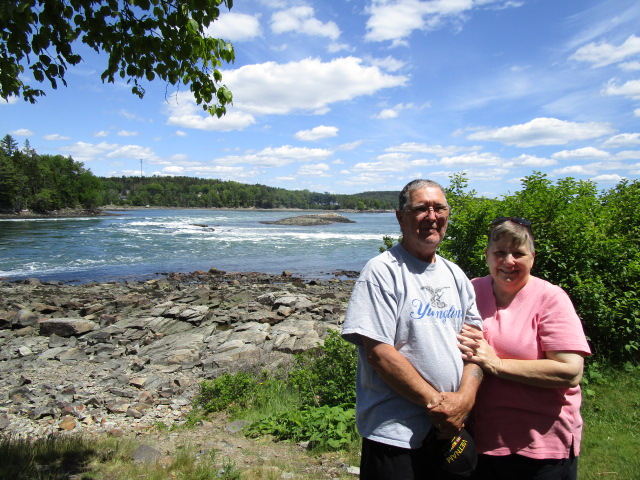
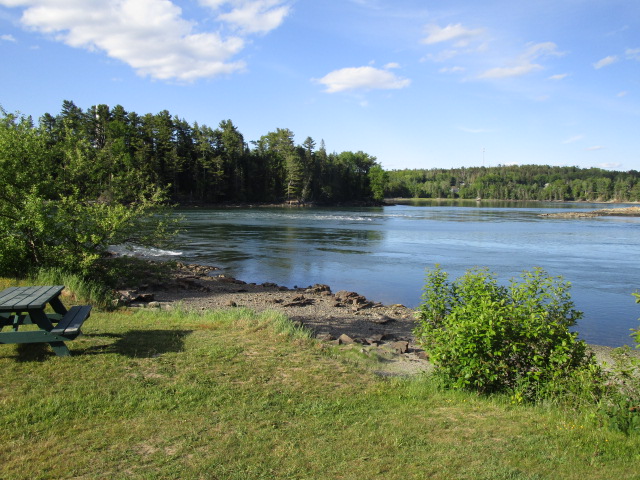
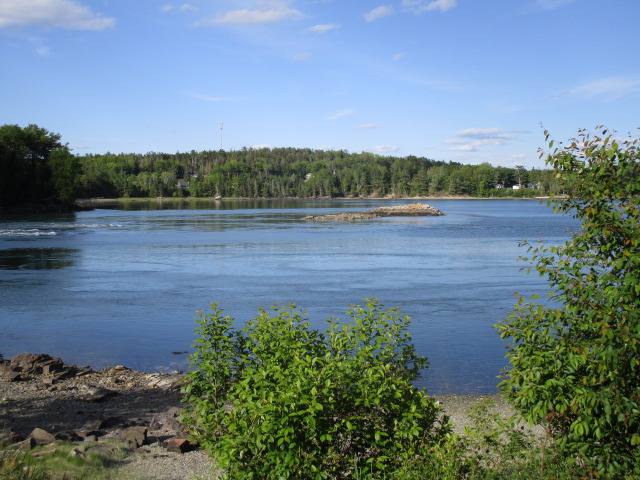
So today was another day of travel and discovery. We were out and about for a good 6 hours and covered another 100 plus miles. We discovered the Tidal Falls Preserve, we met three of God’s beautiful people – Debbie here with Barbara – whose story we’ll share with everyone tomorrow.
Also Ben and Sarah. In fact, Ben and Sarah said they would sent me an article on
themselves and their journey here to Maine on their sailboat. I’m looking forward to sharing that with everyone hopefully tomorrow.
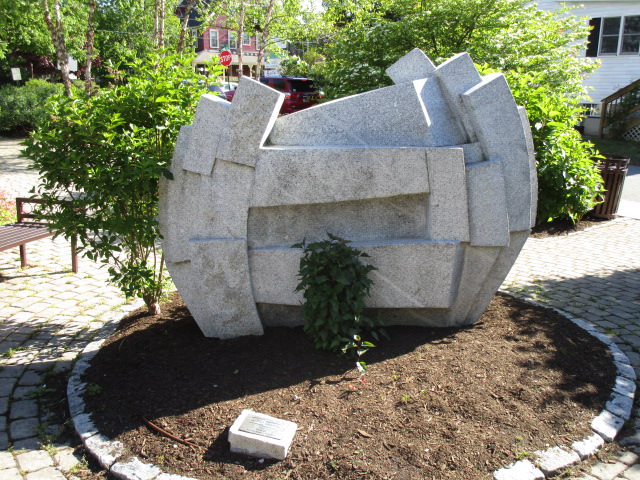
In addition, we collected some more stamps for Barbara’s National Passport Book, and found one more sculpture that was in Bar Harbor. All in all it was another wonderful day of doing what we love to do best which is immersing ourselves in the culture and history of an area we are in.
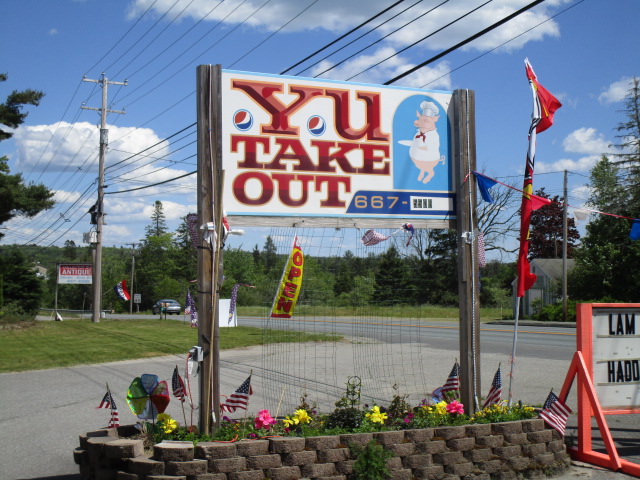
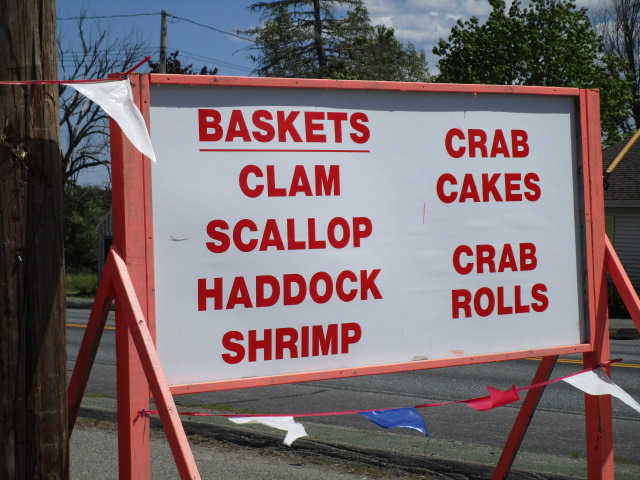
That’s all to come yet, tomorrow night, I promise. Oh, a couple of quick funnys. Want to throw a server at a Maine roadside food stand for a loop? Ask them for a chili dog . Barbara did and they gave her that deer in the headlight look. Then she really threw them a curve, Barb asked them to put sauerkraut on her hot dog. The poor girl had no idea what she was talking about. I guess we’re not in Jersey anymore.
However, for tonight we are going to go back a couple of days and cover a museum we discovered quite by accident. Perhaps, you remember the other day we were at Franklin Memorial Park?
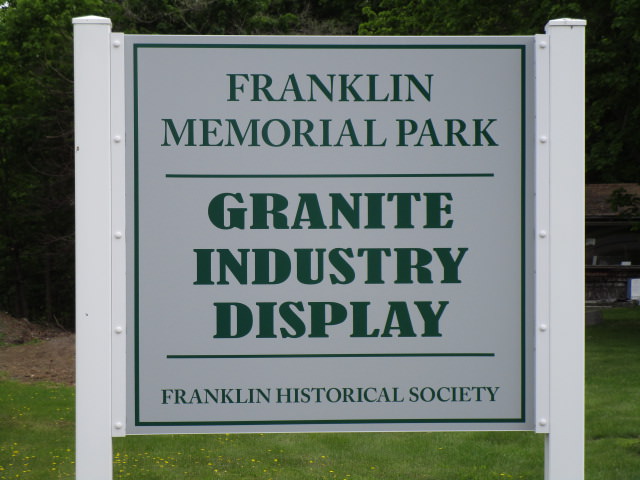
There was a display in the park that detailed the rise and fall of the granite industry in
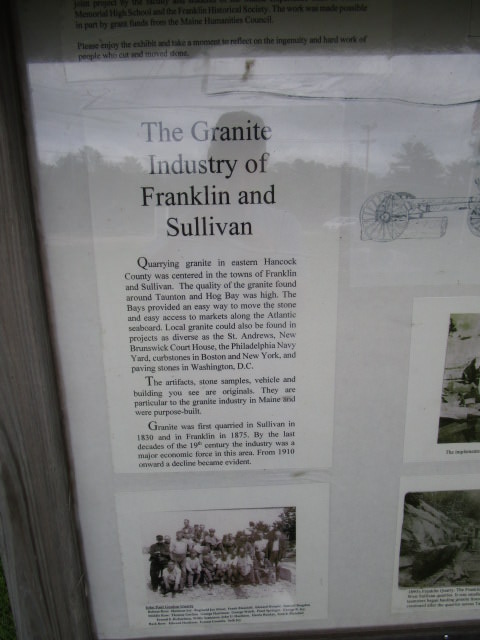
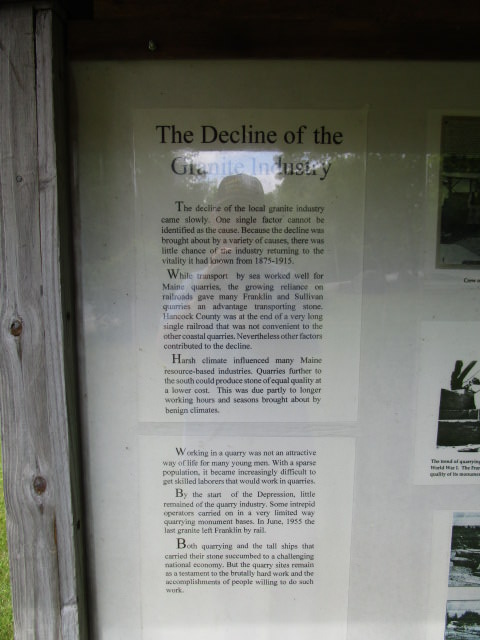
Franklin and Sullivan County. Well, I couldn’t let it rest at that I just had to know more about the industry as a whole. That in turn set me off on the road of discovery regarding the granite industry in Maine. That road led us to the Maine Granite Museum
 .
.
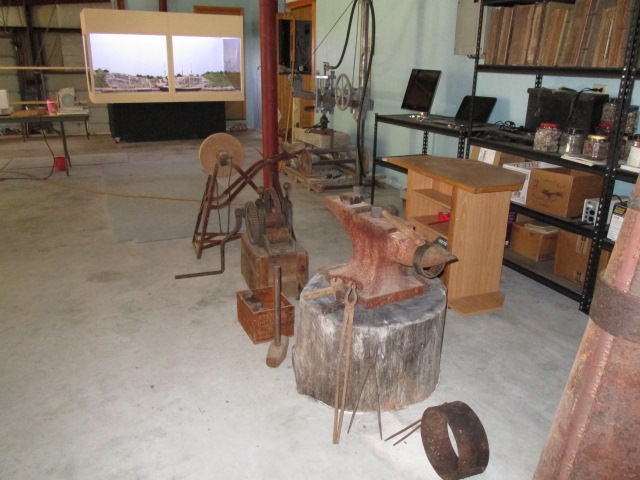
Once inside we found Steve Haynes who is the owner and curator of this museum and who possess a wealth of information regarding the granite industry in Maine. He also stated that he himself went to work in a quarry at the very young age of 11. He stated that the museum houses hundreds of the tools used by the quarrymen, blacksmiths, stone cutters and stone carvers. To date on display are over 350 historic photos, company ledgers, books, Union badges and so much more related to the quarry industry in Maine. He also shared with us that he has a barn full of blacksmith tools and equipment just waiting to be restored and displayed. Below are a few pieces from that collection.
We discovered that granite quarrying began in Maine about 1830 and grew steadily until early in the 1900’s. “Men from Scotland, Finland, Sweden…all came to America
to perform the cutting of the granite,” Haynes said. “These men believed they were building the pyramids of America.” The quarrymen used skill and specialized tools to split the granite without shattering it, whether for a one-foot paver or a 50-foot column.
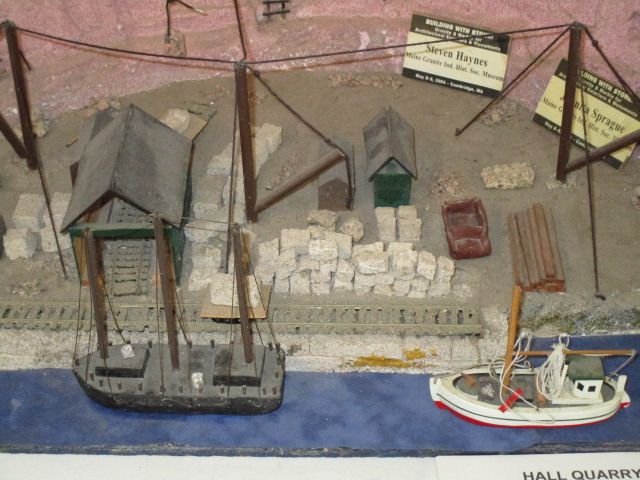
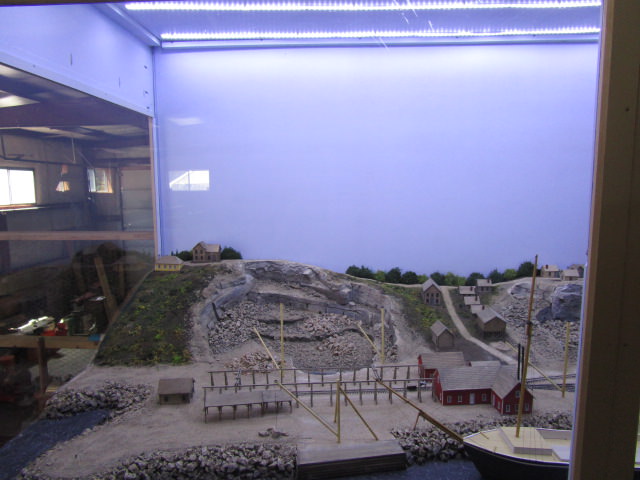
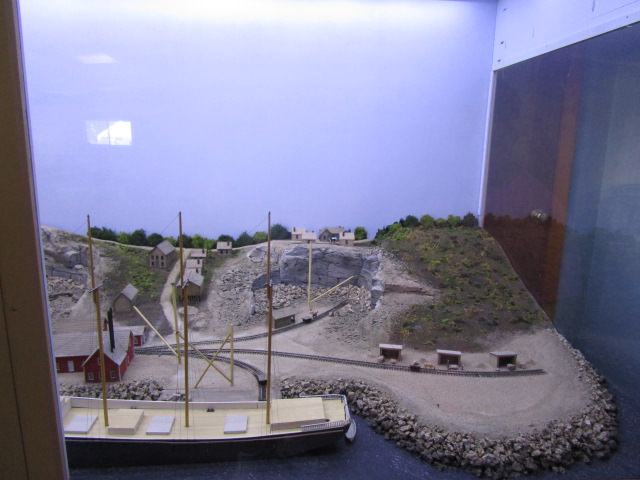
We learned, that at one time, there were a number of different quarry’s in the Mount Desert area. Each quarry produced a different variety of granite, in color, grain and strength. One such quarry was the Hall quarry. Following is a model and a diorama of that quarry.
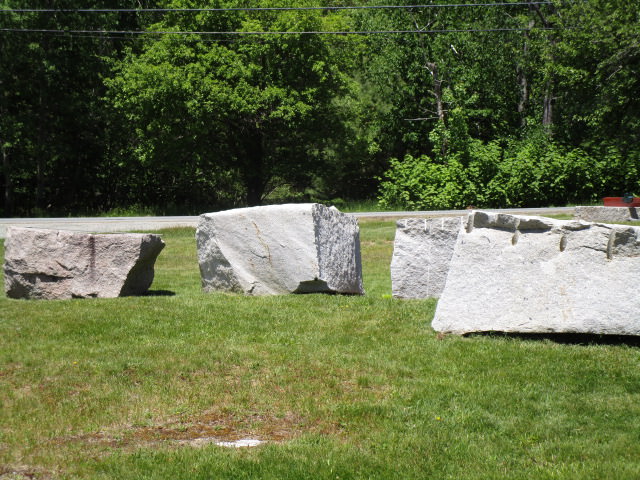
Maine granite was used for lighthouses, cemetery stones, paving blocks, curbstones, bridges, and monuments. Many large public buildings such as libraries, post offices, customs houses, and museums built at that time in the eastern US, including New York City, Washington, DC, and Chicago are also made of Maine granite. The many rooms, walls and arches of Fort Knox were constructed of Maine granite in 1832. Maine granite was known across the U.S. and Europe for its strength, size and beauty. Below is a picture of quarried blocks destined for a building somewhere in the east.
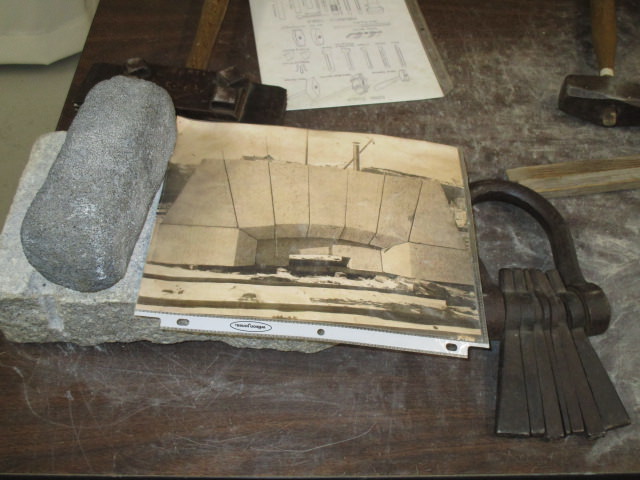
When you look at these blocks keep this in mind. When a building was to be constructed specifications, blueprints, etc. were sent to the quarry indicating the size and shape of each individual block. A team of masons would then work for about two weeks to shape each block into the required size and shape. Here are some pictures of the tools they usually used.
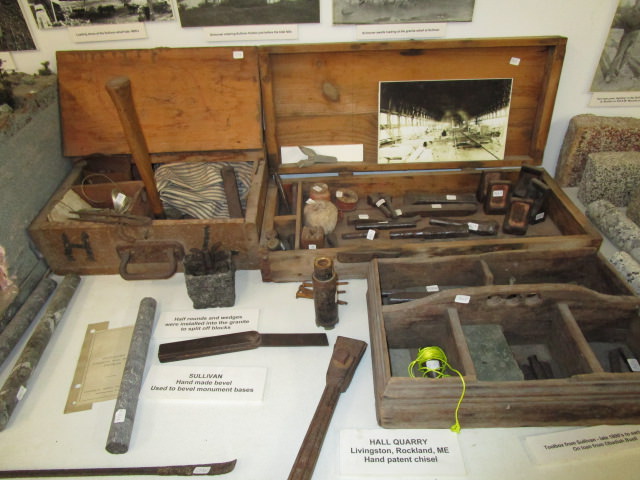
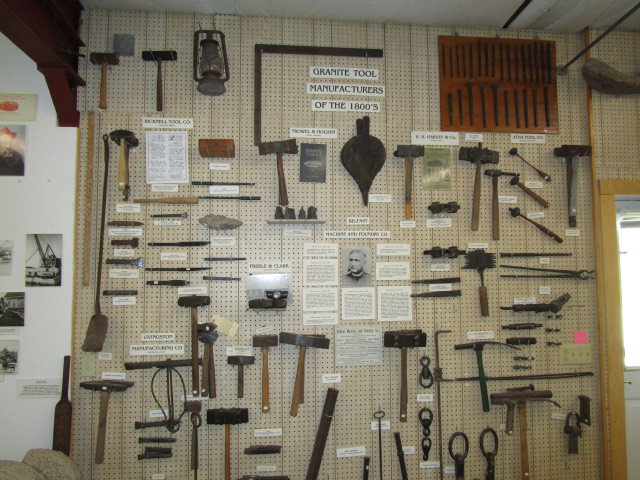
After they were finished with each block, it was then inspected and if it passed it was loaded onto a sloop for delivery to the construction site. Being close to water gave Penobscot Bay’s granite industry an advantage. Shipping granite was cheaper and more efficient by schooner and sloop until the end of the nineteenth century, when improving rail service allowed other states to participate in the granite trade .
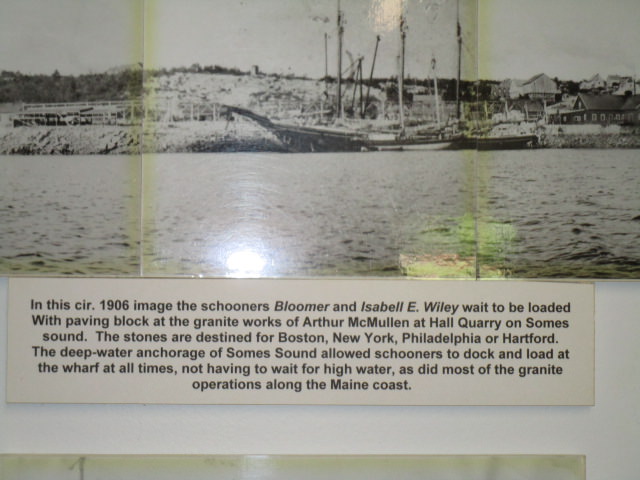
When the sloop reached its destination, the granite block was off loaded and inspected again. If it failed to pass inspection at the dock, Steve told us, it was rejected and thrown into the ocean. Steve then explained that many islands and coast lines in Maine changed shaped over time because over 65% of the granite blocks would ultimately be rejected and heaved into the ocean.
Backing up a bit, getting the granite block out of the quarry required some pieces of special equipment. One was a derrick. The derrick had a boom made of a stout pole

with a secondary pole attached at the base that could be swung around and raised and lowered. It was the secondary pole that moved the stone. To pick up large blocks of stone, quarriers used dog holes. Dog holes are small indentations on each end of the

block. A cable with hooks at the each end of a line was placed in the holes, the cable was drawn up tight and thus was able to lift the block.
At the museum, Steve is in the process of putting the finishing touches on a derrick that he rescued and restored over the past two years. Here are the pieces that have just been refinished.
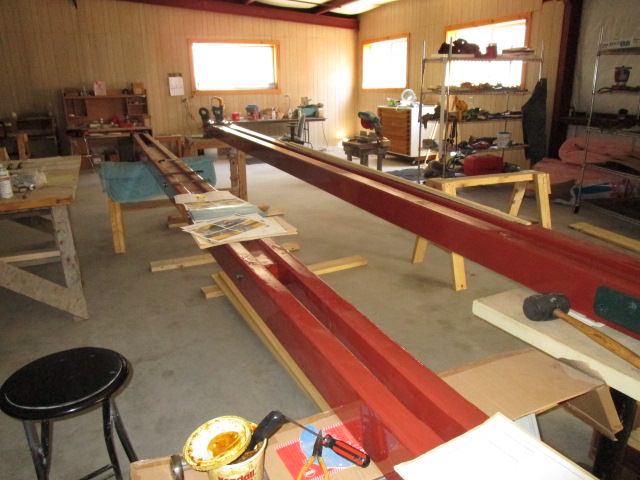
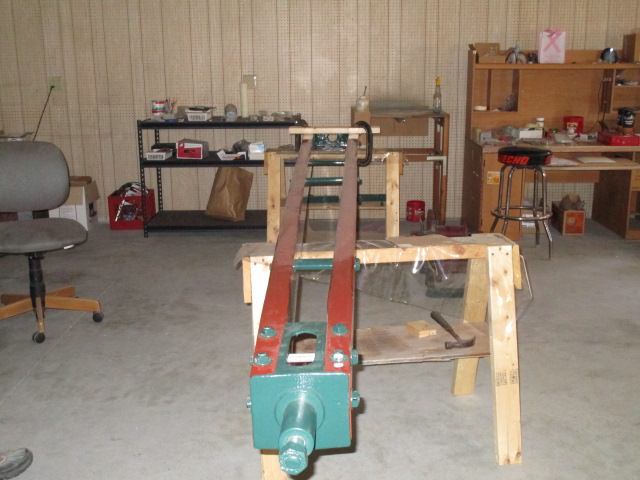
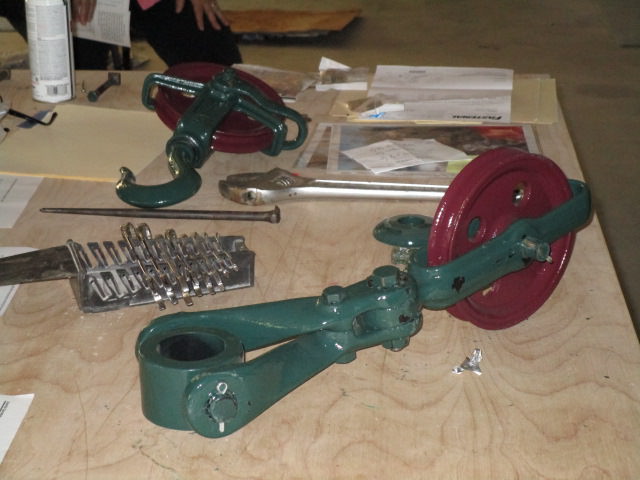
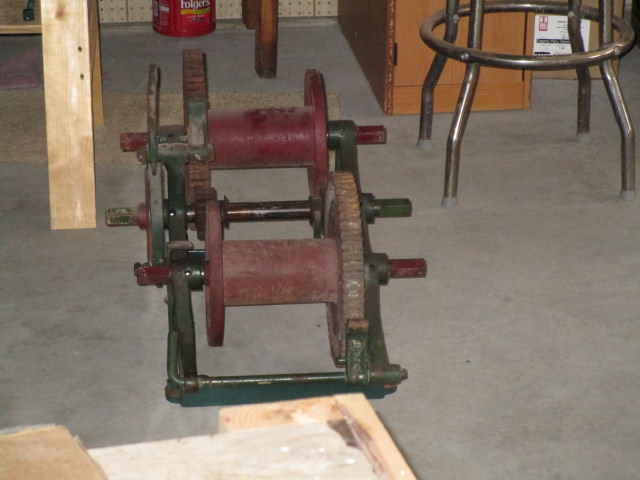
Here is a picture of the winch that will be used with the restored derrick.
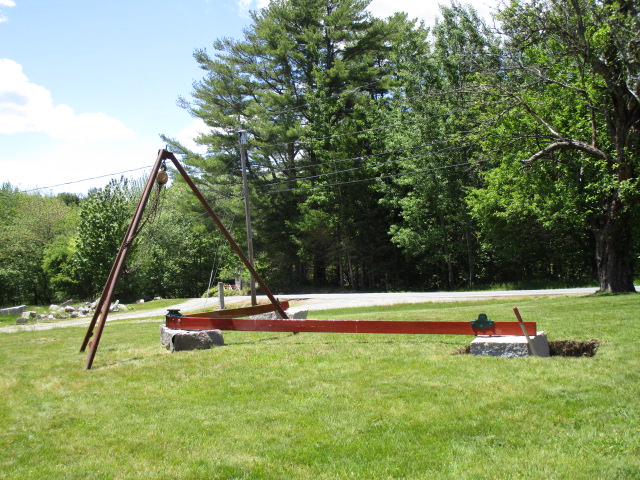
This is where on the front lawn that it will finally be assembled and installed. Some pieces are already in place. Yes, it will actually be put to use hoisting granite blocks.
The other piece of equipment used to transport granite blocks was called a Galamander.
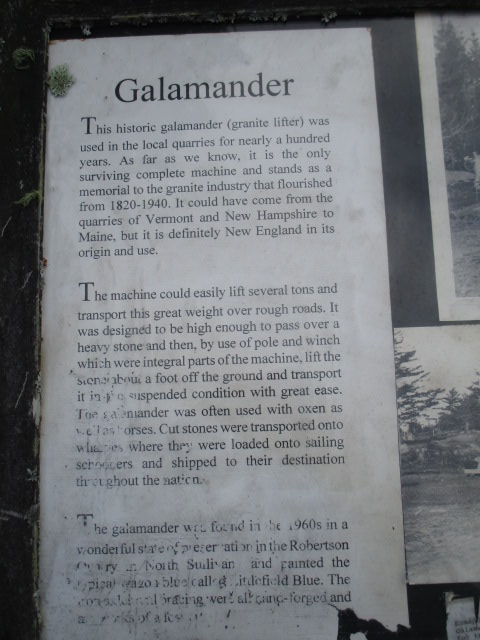
The galamander is a wagon-like conveyance, about 18 feet long and 6 feet wide. It has four wooden spoked wheels, the rear pair 6 feet in diameter and the front ones 4 feet. The wheels have iron hubs and the wearing surface is also finished in iron. The “frame” of the wagon is a single large wooden beam, to which the rear axle assembly and a front
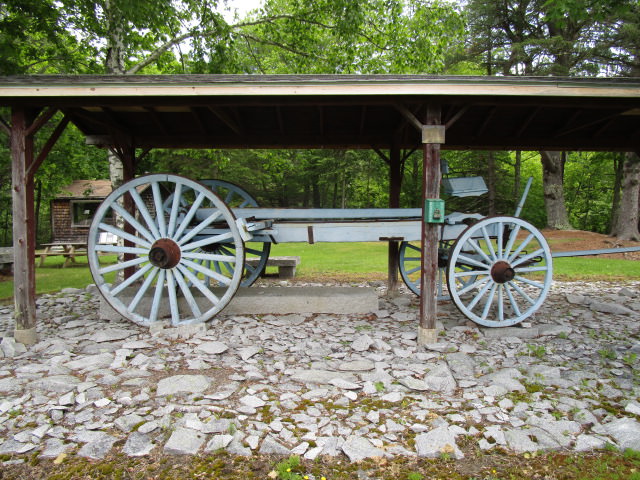
swivel mount for the front axle are attached. A simple seat with a metal spring is fastened above the front axle, and a derrick consisting of a single tapered beam is
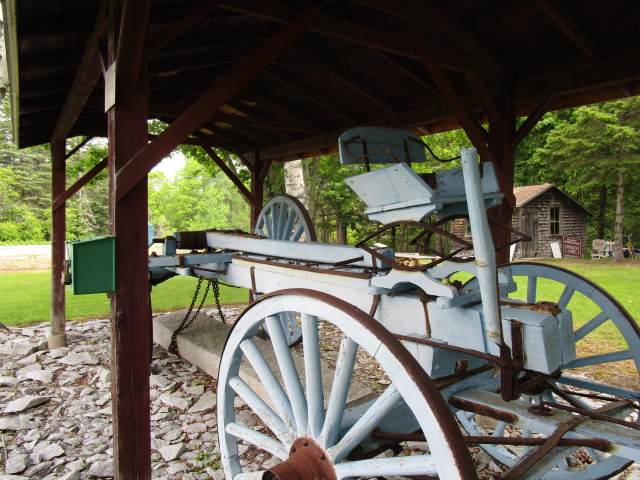
attached to a swivel mount above the rear axle. The derrick was used (in conjunction with a block and tackle) to raise slabs of stone onto and off the galamander. The wagon is braked by friction pads on the rear wheels which are activated by a lever controlled by the driver. The galamander would have been drawn by a team of horses or oxen. This one is only one of two that are still known to exist.
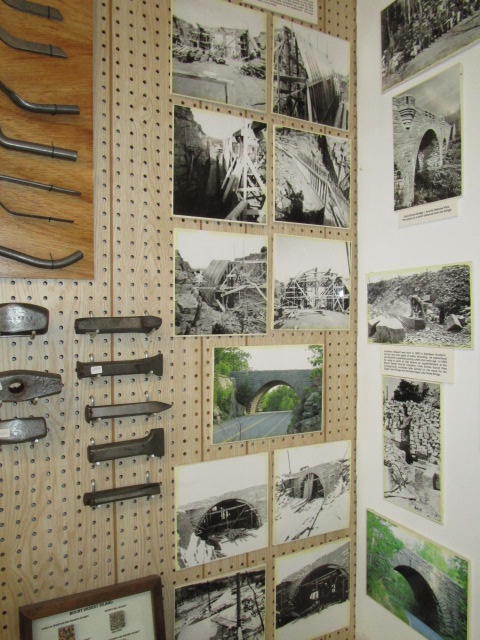
Steve informed us that the granite quarrying was all but finished by the early 1900’s but Rockefeller breathed new life into the industry for a few years when he started construction of the carriage roads and bridges in Acadia National Park. Below are some pictures of the construction of the bridges.
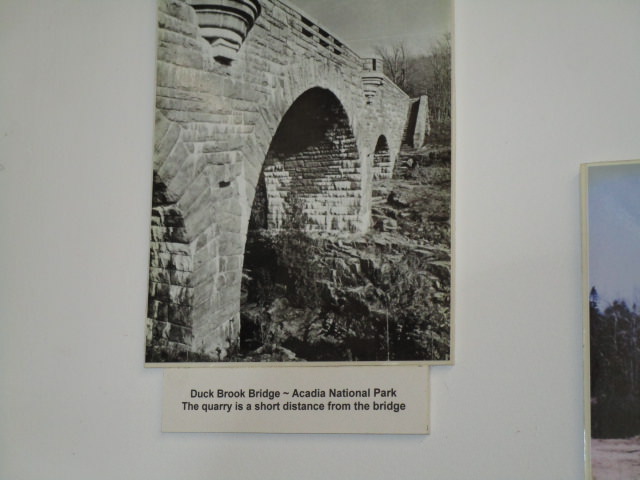
In addition, in 1920, a new market opened, supplying street “pavers,” blocks of granite exported to New York, New Orleans and Philadelphia to pave their streets. Each city required a slightly different size paving stone depending on the size of their horses, mules, oxen and carts.
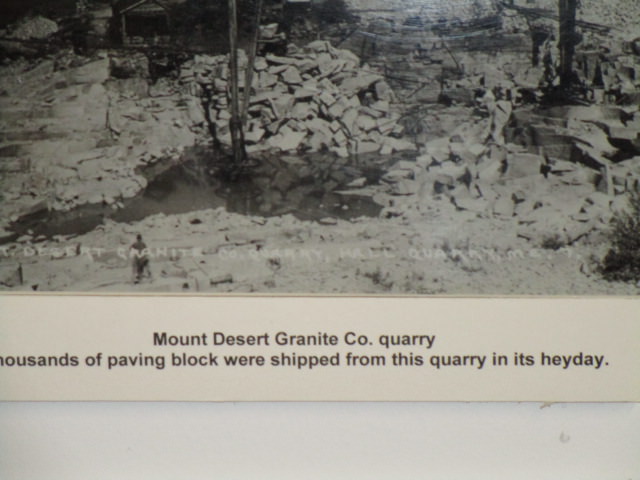
So, for a time many former quarry workers were once again gainfully employed. However, Maine’s granite industry declined rapidly in the first half of the twentieth century because of technological improvements in structural steel and concrete, and the opening of new resources in other parts of the country. Thriving quarry towns became instant ghost towns. There are still active quarrys in the state of Maine today but no longer in the numbers that it used to be.
Well, that’s it for today. The day itself was another great one for us in so many ways. As I stated in the beginning, we met three of God’s beautiful people whose stories we hope to share with you tomorrow. We got out and about and discovered some really fantastic things like the Reversing Tidal Falls which were just spectacular; the story and pictures of which we will bring to you tomorrow as well.
Before we leave you a thought for each of us to ponder:

As always, if you are coming to the end of your day with concerns and worries, let me suggest that you turn them over to God. After all, He is going to be up all night so why not let him handle them for you.
Time now for our evening prayers and eventually some shut-eye. Till tomorrow.
These are the voyages of Graybeard and it’s occupants, four paws and two humans. Our continuing mission: to explore as many new states as possible, to seek out new acquaintances and make new friends, to boldly go where we have not been before
 .
.







 "On The Road of Retirement"