Rain, rain and more rain. It started in the morning and it is still going strong tonight. Add to that a bit of thunder and lightning and it’s getting interesting. As for poor Marti, he is hiding under the table until it all stops. Barbara’s comment was It has to stop someday!
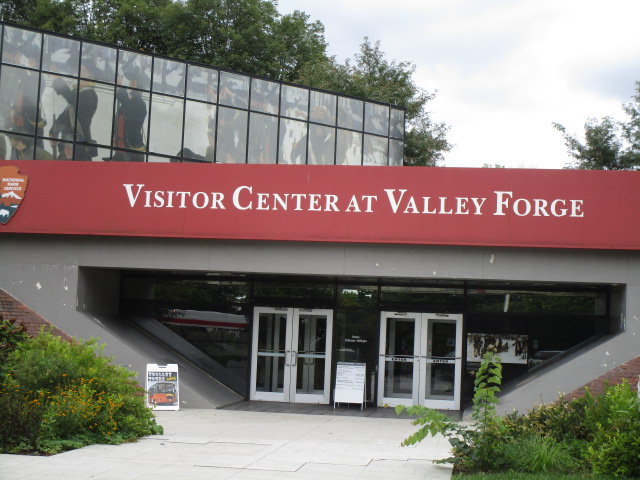
OK, as for yesterday. For years we lived just a hop, skip, and jump from Valley Forge National Historical Park but never visited it. That omission was corrected on Monday when we decided to make the trip from our current home in Carlisle. It was a long trip but not a bad one at all. Traffic kept moving going and coming and we never ran into any adverse weather.
Soon enough we were there and ready to start a new adventure of learning and discovery.
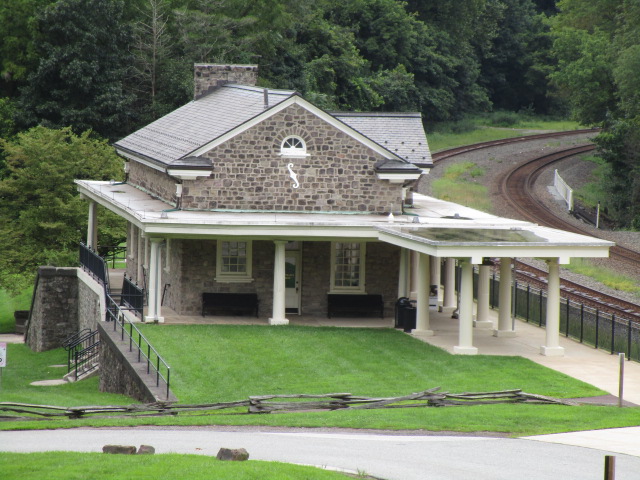
This, though, was not the original visitor center. The gateway to the park was originally this train station. After the park was established in 1893 the village of Valley Forge grew into a tourist destination. Since almost all visitors traveled here by train this elegant station was constructed in 1911. This served as the park entrance until the 1960s when it was replaced by the current visitor center.
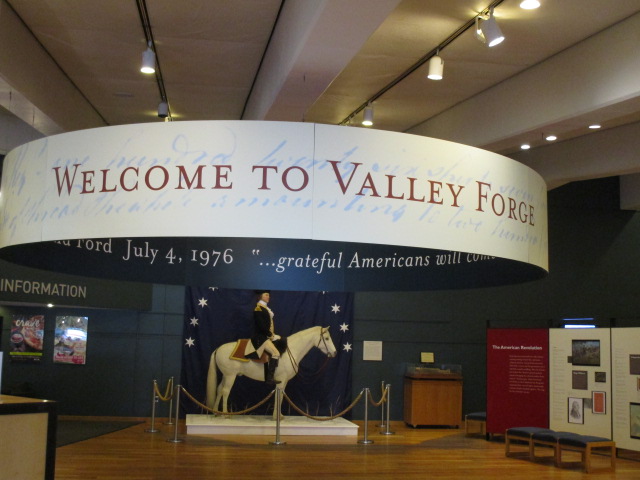
Entering into the lobby of the current visitor center we were greeted by this impressive welcome sign.
Just after the welcome sign we came face to face with General Washington who is shown here astride Blueskin, one of the general’s favorite horses.
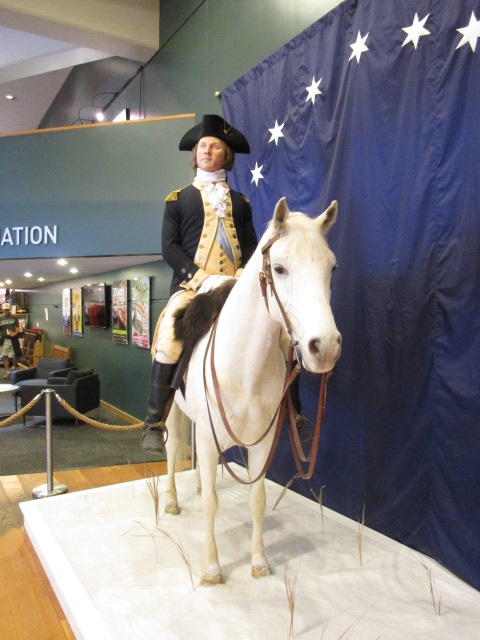
He was 45 years old at the time at the time the Continental Army marched into Valley Forge. He knows that he must continue to lead by example both in times of battle and in the trying times of encampment; if he is to retain their respect and motivate them to stay on course.
The question is usually asked Why Valley Forge? The Continental Congress evacuates the city of Philadelphia and moves to York. The city is then captured by the British and they settle in for the winter. The Continental Army under Washington seeks out winter quarters of their own. The general picks Valley Forge because he believes it is a safe and strategic place to rest and protect the troops during the winter. It lay on a high and defensible plateau bound by the Schuylkill River and Valley Creek.
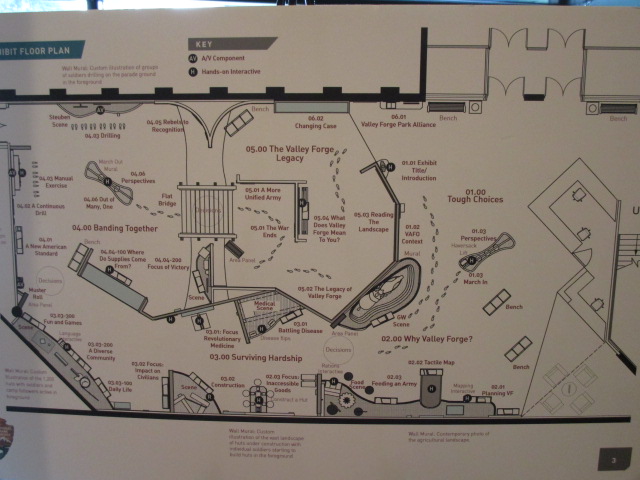
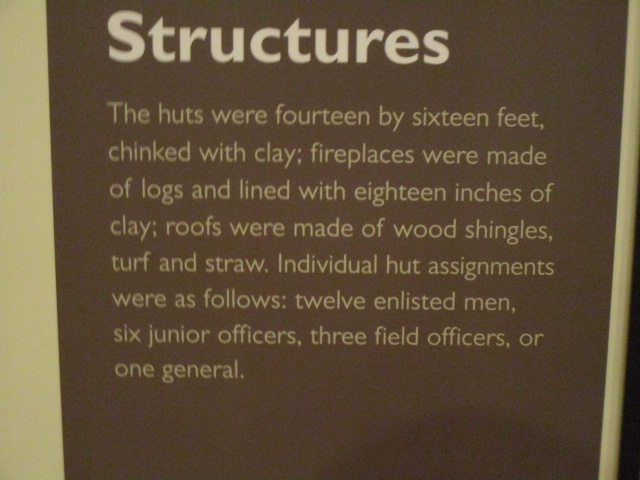
On December 19, 1777 the Continental Army arrives at Valley Forge. They would stay until June 19, 1778. Originally housed in tents, immediate orders are issued to properly house the troops in huts. Engineers laid out the camp in parallel lines. Officers divided the men into squads, provided them with tools and gave precise instructions for construction of the huts. This is a description of the huts themselves.
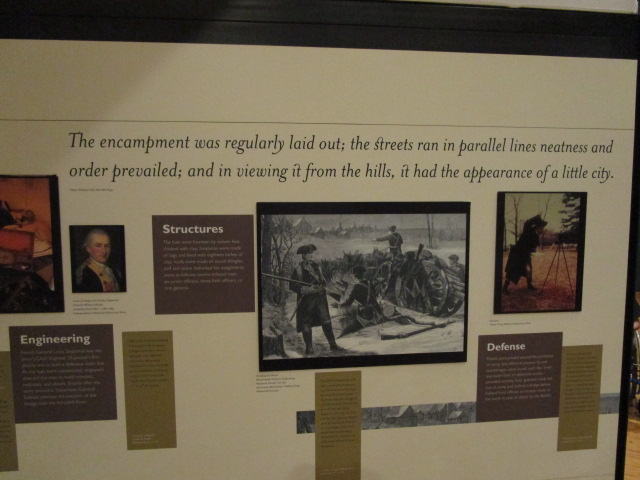
A note about the encampment, often called a little city.
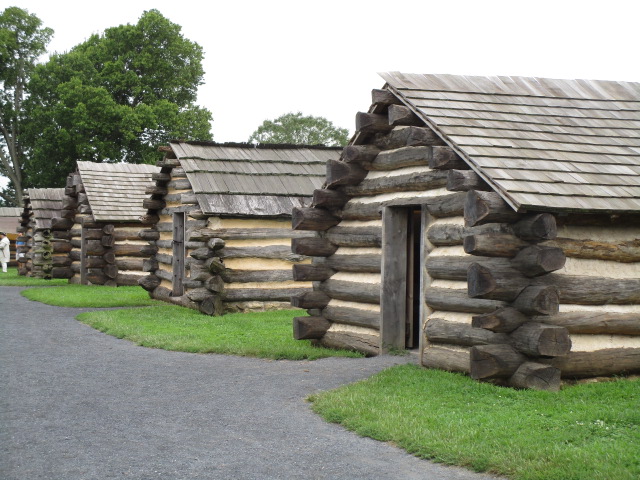
A row of reconstructed huts.
Inside a typical hut, sleeping quarters and the kitchen.
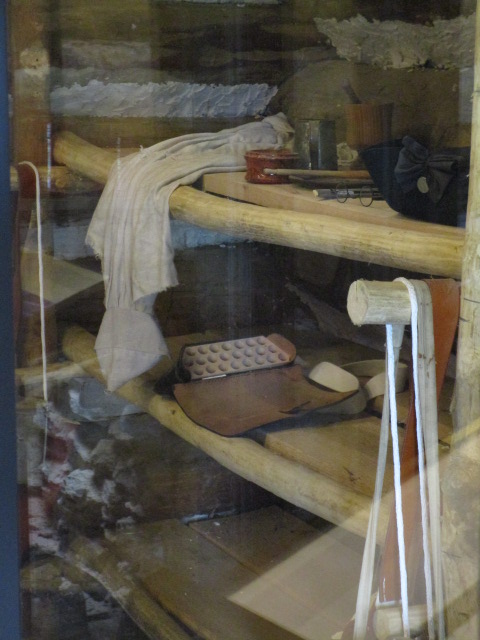
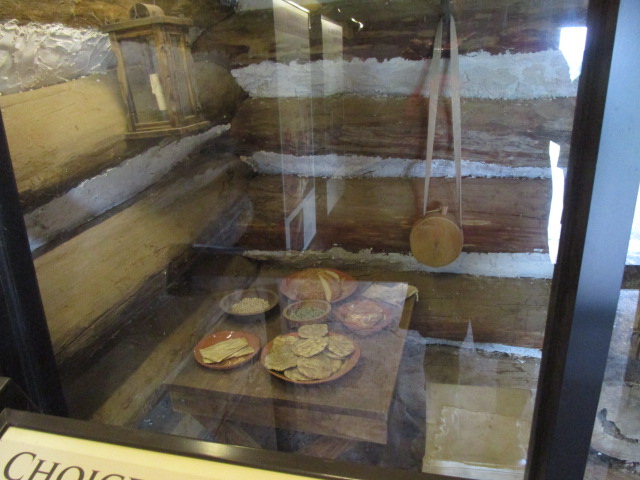
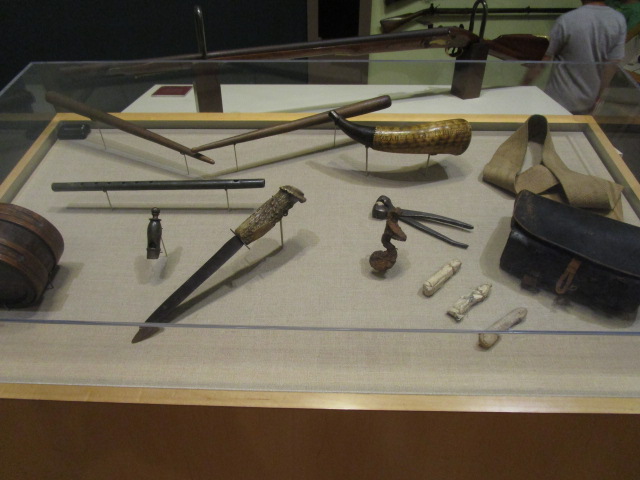
These are some of the items a soldier would carry with him and have in his hut.


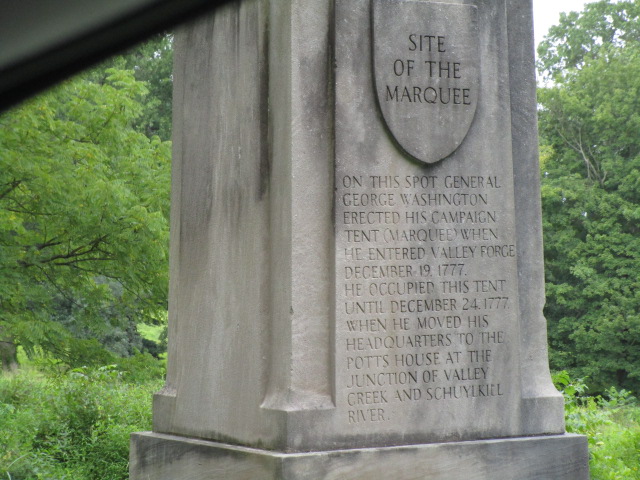
Washington himself spent several days in his campaign tent, called The Marquee, before he moved into the Issac Potts house with his staff.
Washington’s home and headquarters in Valley Forge. Unlike most British commanders who often returned home to England between campaigns, the general chose to stay with his troops rather than return to his own home.
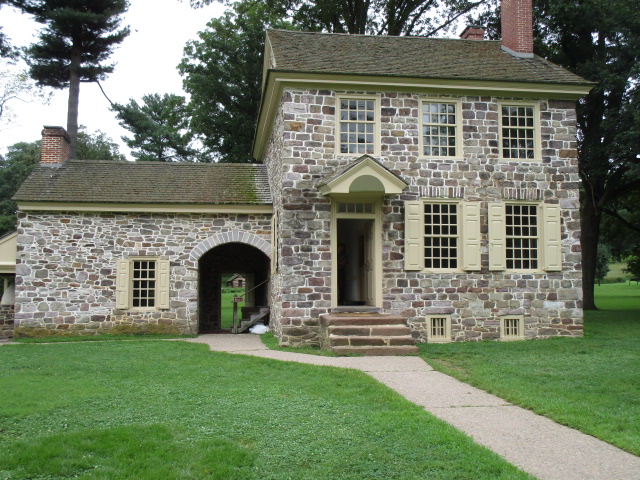
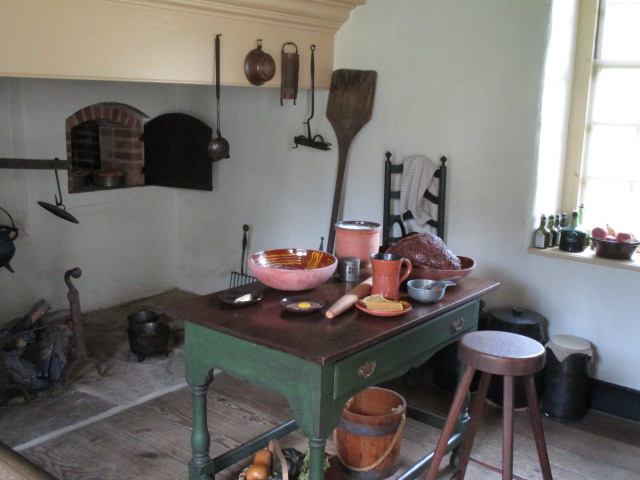
This is the kitchen area.
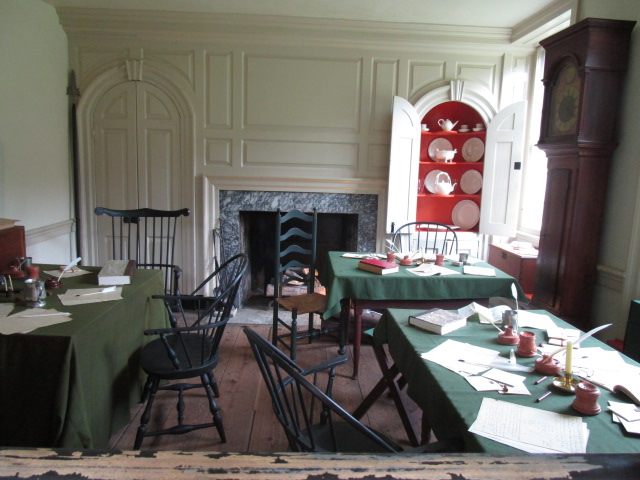
This is the general’s office where he worked with his staff.
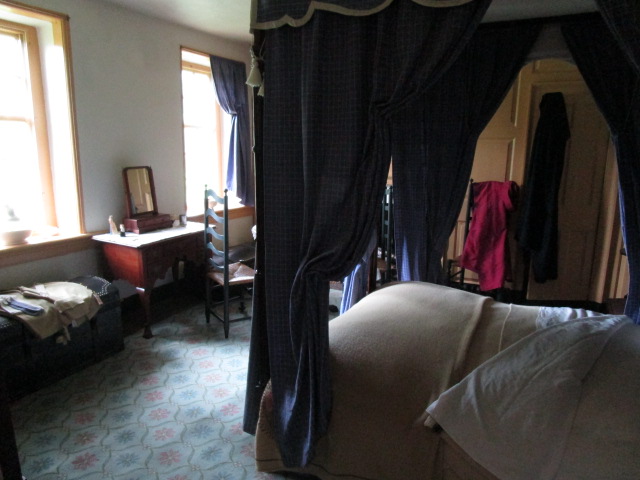
This is the second floor bedroom that he occupied as well as Martha when she visited. It is said that when she came for visits the men often cheered.
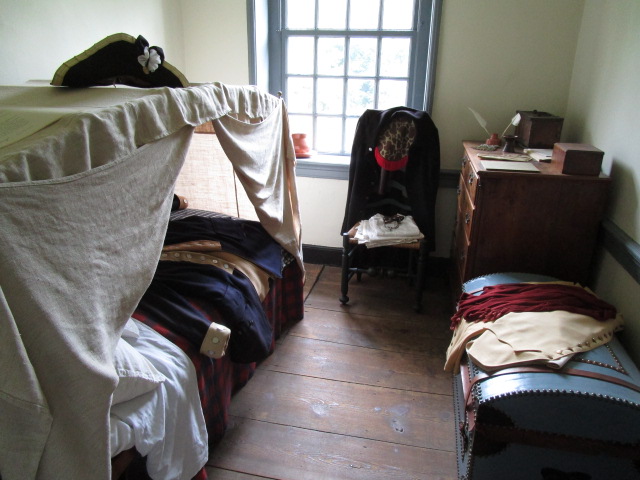
This is a second floor bedroom for one of his staff.
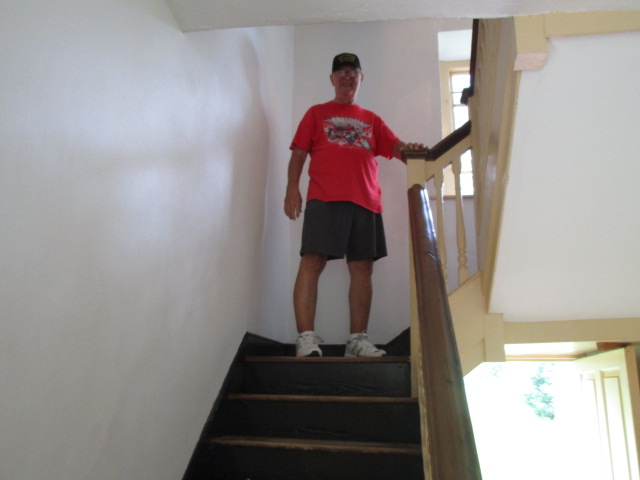
And here I am walking on the stairs that Washington himself walked on to get upstairs.
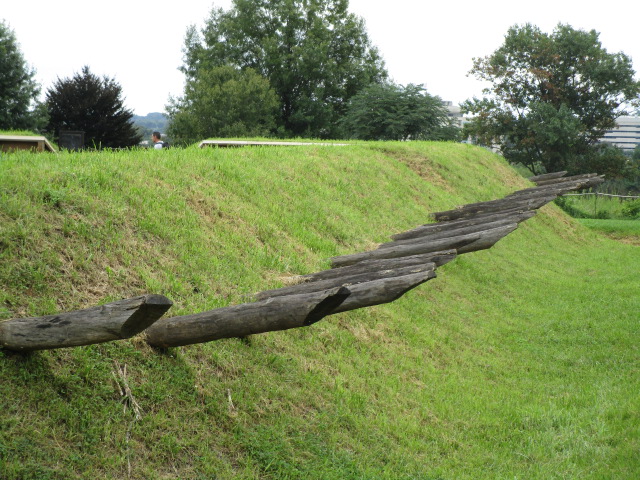
As the huts were constructed, French General Louis Lebegue Duportail designed and mapped the defensive system for the encampment at Valley Forge. One of the prominent defensive structures was called a redoubt.
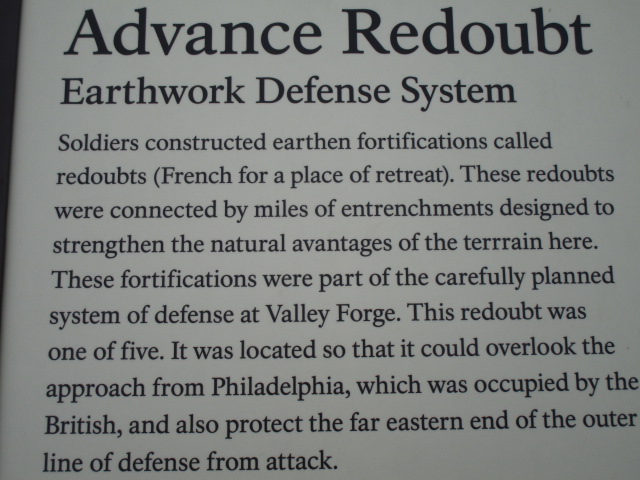
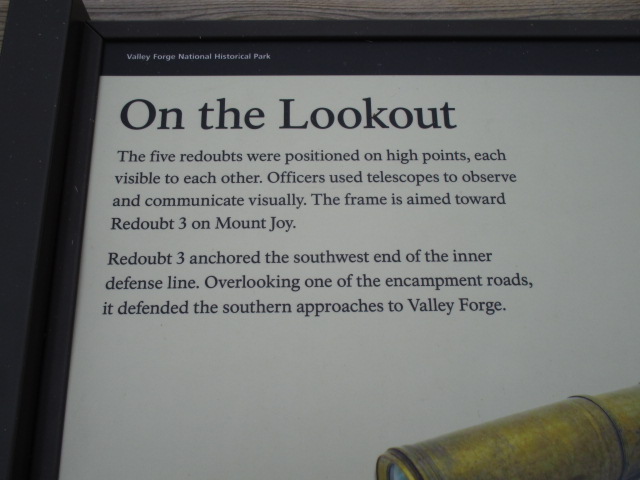
How a redoubt was built.
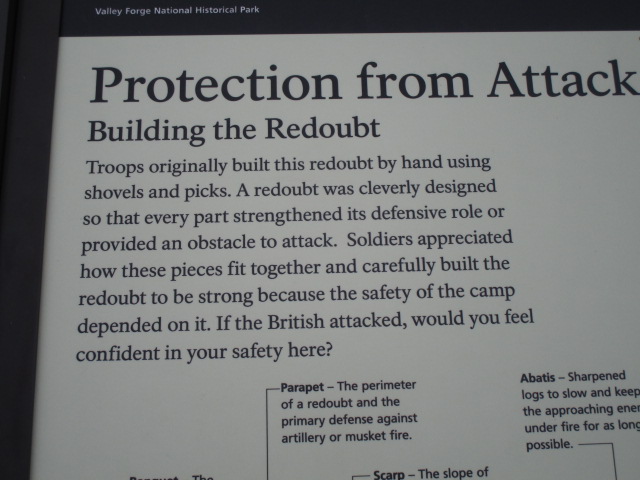
The various elements of a redoubt.
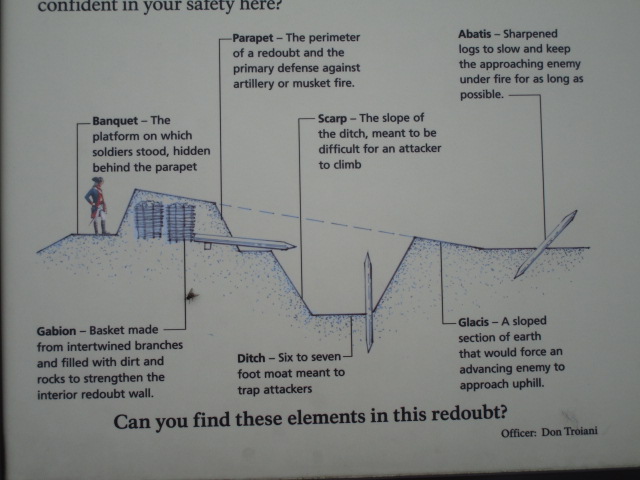
This is what it looked like on the inside.
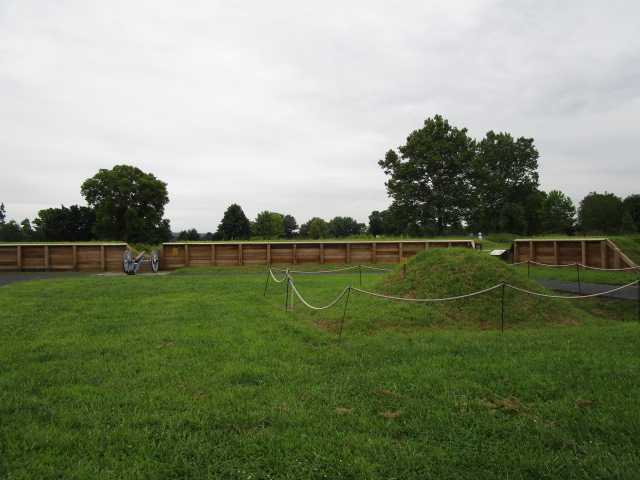
This is what it looked like on the outside.
Despite partial success the Continental Army that marched into Valley Forge required consistent training and stricter discipline. Enter Baron von Steuben with whom the army’s fortune turned. He provided hands-on training and standardized the drill manual and marching steps. In this way, he increased the army’s tactical performance.
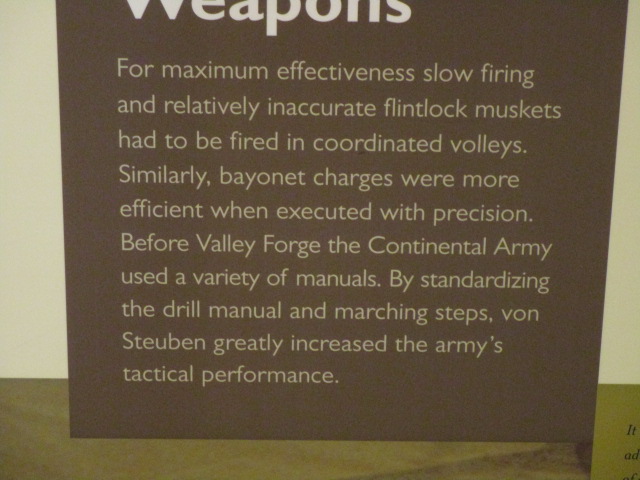
What Steuben was able to do to increase the speed of firing a musket.
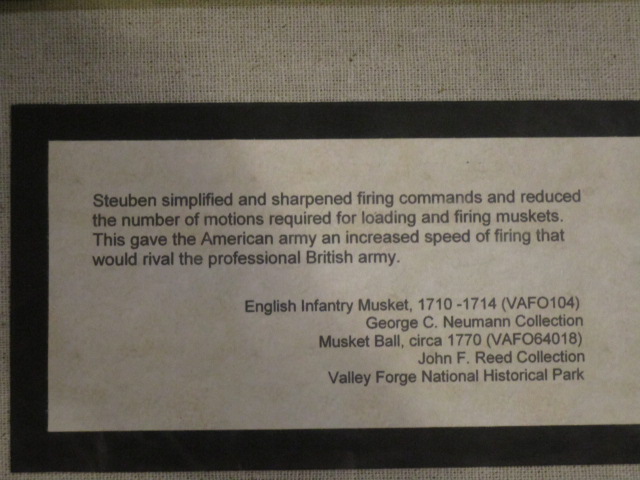
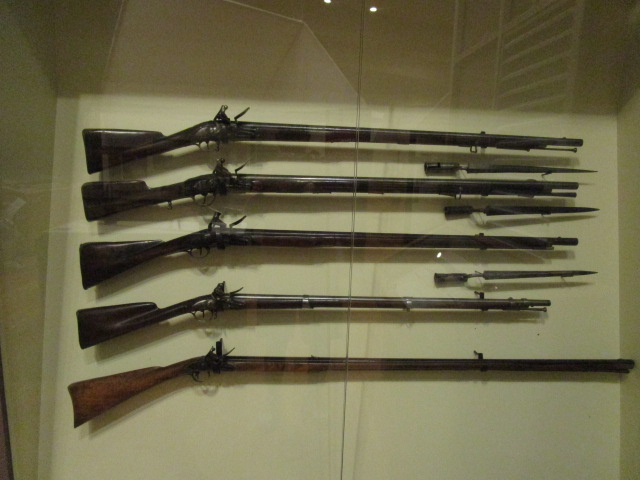
The typical musket that was used during the war.
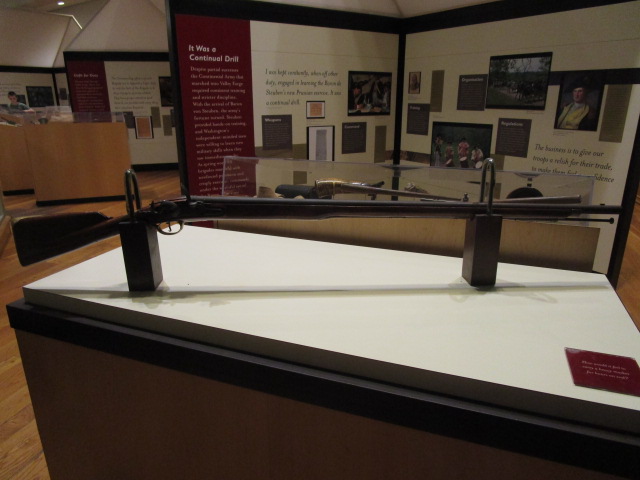
This was a musket that you could pick up to get some idea of its weight – trust me it was heavy!
These are some of the typical accessories that a soldier had with him.


Well, it is now getting late so we’re going to stop here and pick up the remainder of Valley Forge tomorrow. But before we call it a night, we’re going to jump to today and an absolutely fantastic time we had with two dear friends from my days past in the ministry. Mark and Susan are truly two of God’s beautiful people who stood by myself and Barbara when I worked as an interim minister at the Monocacy Valley Church in Maryland. Those were some wonderful, difficult, stressful yet fruitful days but through it all their support never wavered. I think the world of both of them. Mark has just retired, but is considering going back to work again since he just received an offer he can’t refuse. Susan who is my age has just completed her course work for her Master of Divinity and works, even now, part-time as a chaplain.
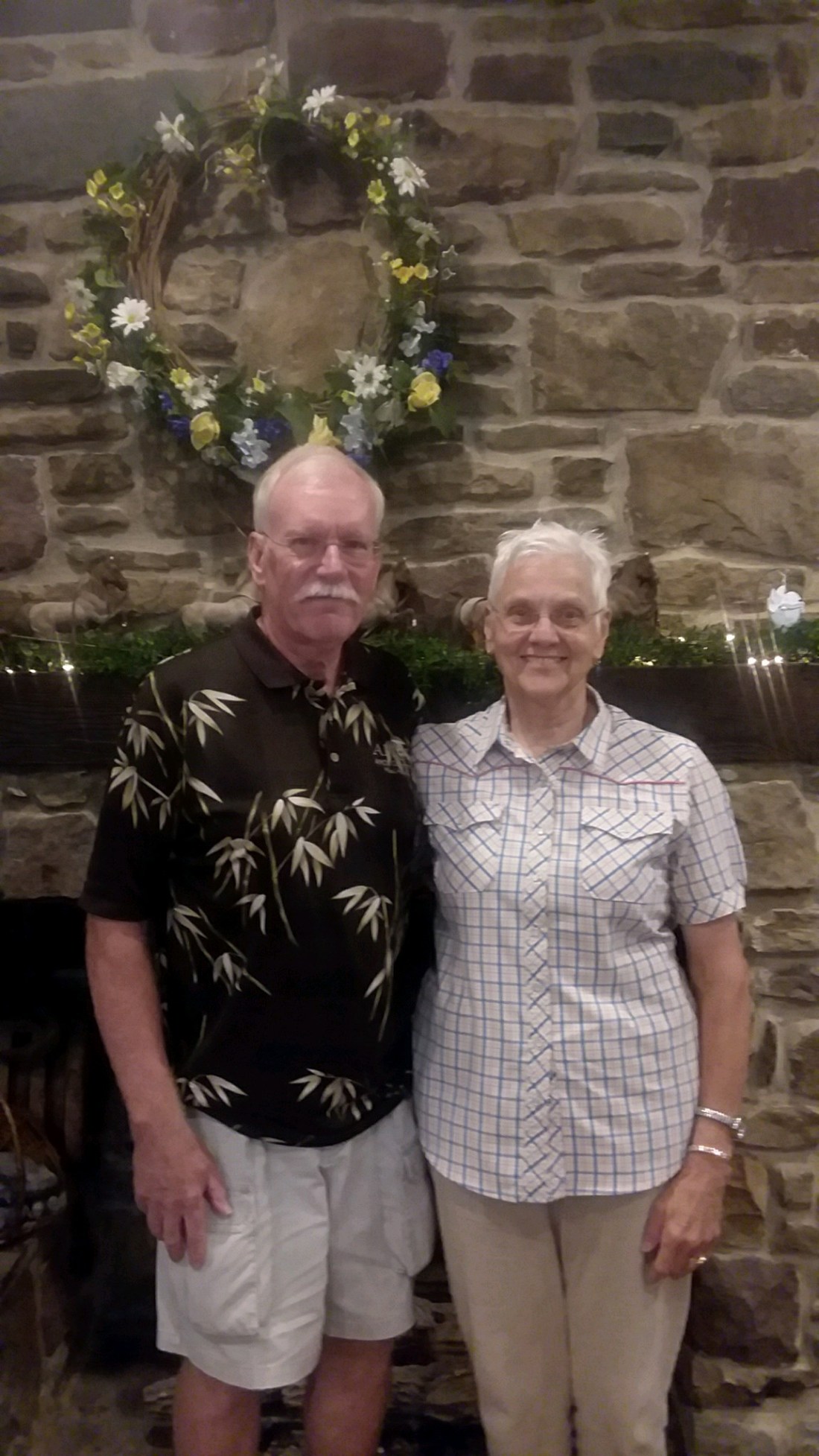
When they discovered we were in the area, we made immediate plans to get together for lunch. We had originally picked out a restaurant that we both knew and really like – but go figure, it is closed on Tuesdays! On to plan B which was the Carriage House Inn.

This charming restaurant which is on the National Register of Historic Places was built in 1857. It was once a feed and grain warehouse, then it became a broom factory and later a bus depot. It first became a restaurant in 1953 and three decades later it was purchased by the Hance family and the Carriage House Inn was born. So here is where we went for lunch and here we are all together.
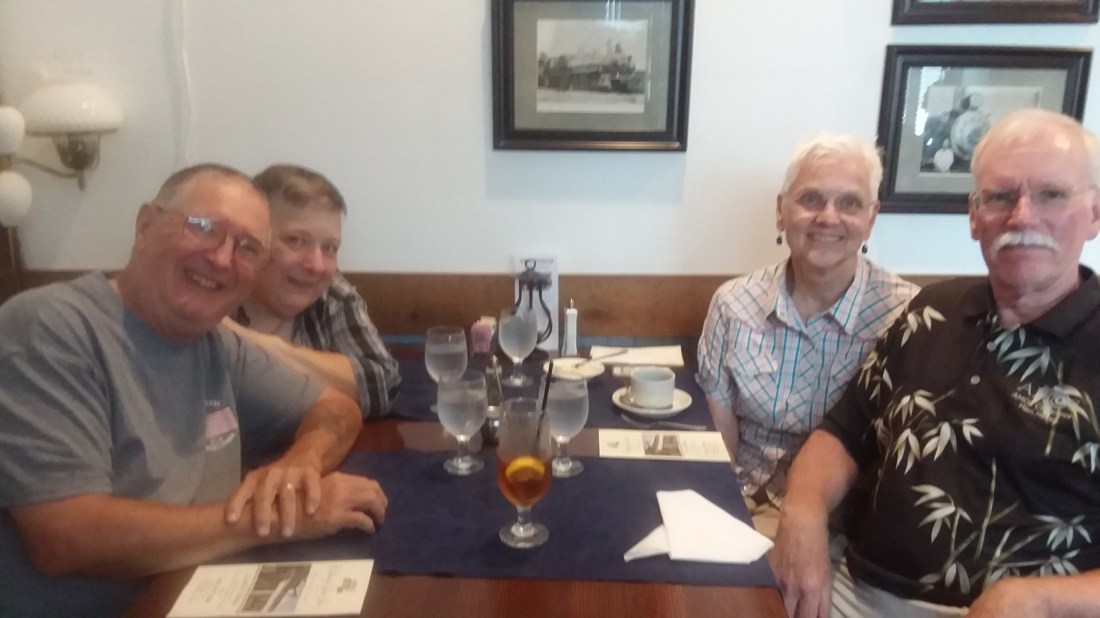
We spent a delightful three hours getting caught up and sharing stories of days gone by as well as bringing each other up to date on what is going on in our lives today. It was a delightful afternoon of both good food and good conversation with good friends.
Time now to call it quits for the night. I’m going to go bury my head in my pillow so I don’t have to listen to this rain anymore! Usually I enjoy the sound of it and it will often lull me to sleep. But five or six straight hours of listening to it is beginning to wear on me. Ah well, it is what it is. This too shall pass I’m sure. Thanks for joining us again on the The Road of Retirement. We continue to travel along, side by side, singing our song. In parting I leave you with this to think about:

As always, if you are coming to the end of your day with concerns and worries, let me suggest that you turn them over to God. After all, He is going to be up all night so why not let him handle them for you.
Time now for our evening prayers and eventually some shut-eye. Till tomorrow.
These are the voyages of Graybeard and it’s occupants, four paws and two humans. Our continuing mission: to explore as many new states as possible, to seek out new acquaintances and make new friends, to boldly go where we have not been before

 "On The Road of Retirement"
Thanks for the tour of Valley Forge. We live so close and have driven by it many times, but never stopped. Will be looking forward to the next blog. Oh yes, we’ve had more than our share of rain this year.
LikeLike