This is the second and final part of our blog about the Secret City of Tennessee, Oak Ridge or as it was known during WW II, The Clinton Engineer Works. Our first blog dealt with the city itself and what life was like there. Now we want to tell you a bit more about two of the main facilities that existed there at that time. They were Y-12 and the Graphite Reactor.
We learned about both through a three hour Department of Energy bus tour
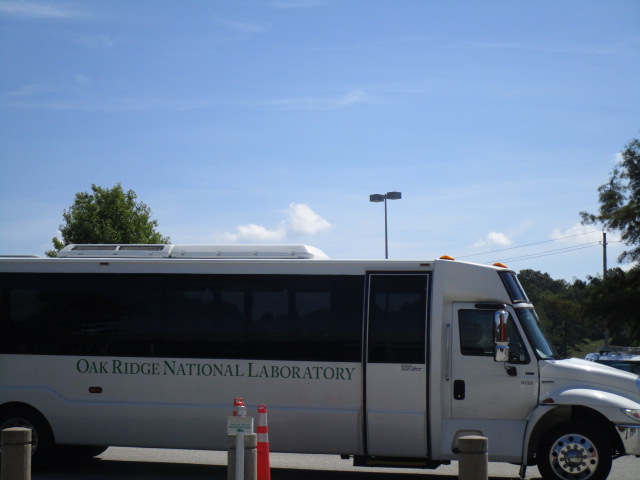
that took us throughout the Oak Ridge complex and specifically to these two sites; and, we were also able to visit history centers and displays at each facility.
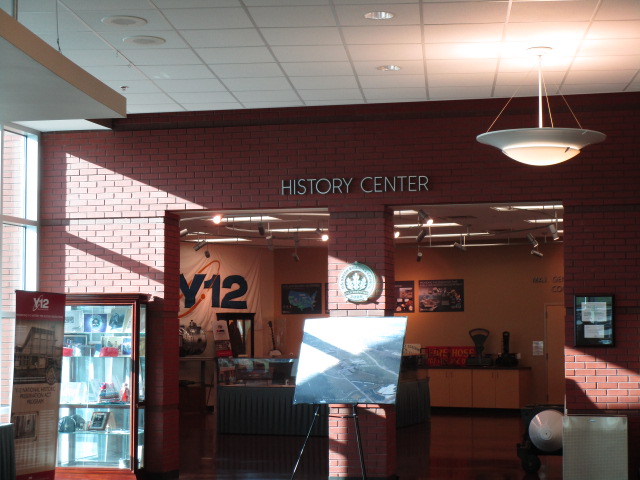
To refresh everyone’s memory, Oak Ridge, TN during WW II was the fifth largest city in Tennessee. By 1945 75,000 people lived here. There were 8,000 students in the school system. It had the third largest bus system in the U.S. It utilized over 13 percent of the nation’s electricity. Then it was known only as the Clinton Engineer Works. Yet, unless you had a need to know, you had no idea that it even existed. Even the Governor of Tennessee at that time had no knowledge of this city.
The Clinton Engineer Works was a part of a larger project known as the Manhattan Project. The goal of the Manhattan Project was simple: to build the first atomic bomb.
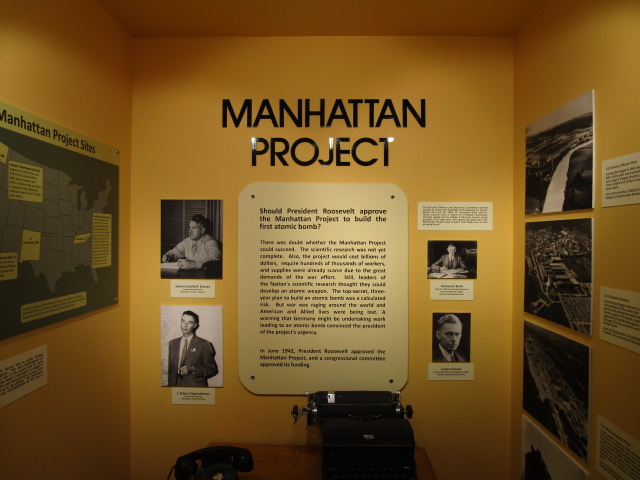
There was doubt as to whether it could be done. The project would cost billions of dollars. The top secret, three-year plan to build an atomic bomb was a calculated risk. A warning, though, that Germany was already working on such a bomb convinced the President to approve the project.
There was a total of three project sites associated with the Manhattan project: Hanford, WA; Los Alamos, NM; and, Oak Ridge, TN.
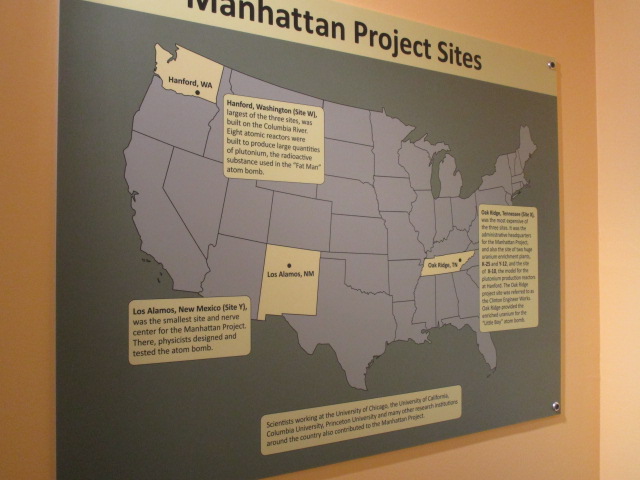
The Oak Ridge facility in Tennessee was the most expensive of the three.

The Clinton Engineer Works had only one specific purpose: produce enough enriched uranium for an atomic bomb to help end WW II. The facility where this took place is today known as the Y-12 National Security Complex.

Y-12’s history began when ground was broken for construction in February of 1943. In a short time, the site was filled with machinery and the bustle of people on a mission of
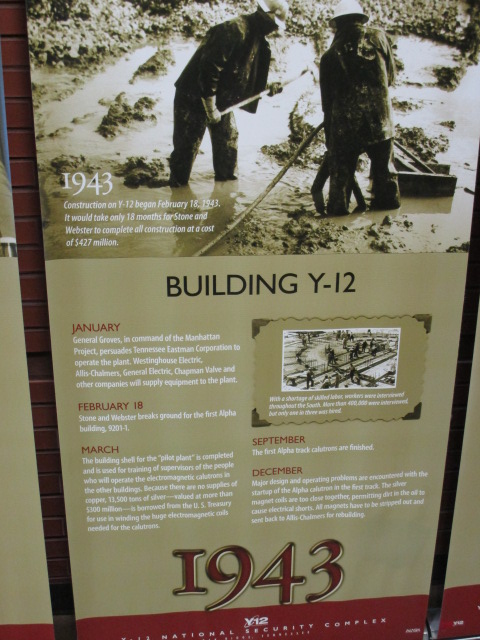
global importance. In just 18 months, 175 separate facilities were completed which
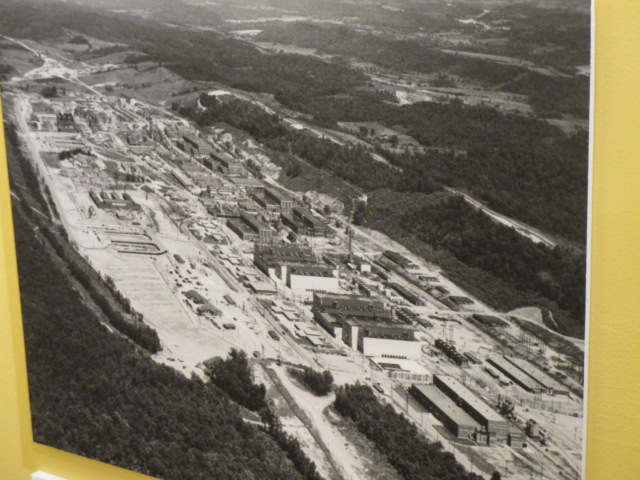
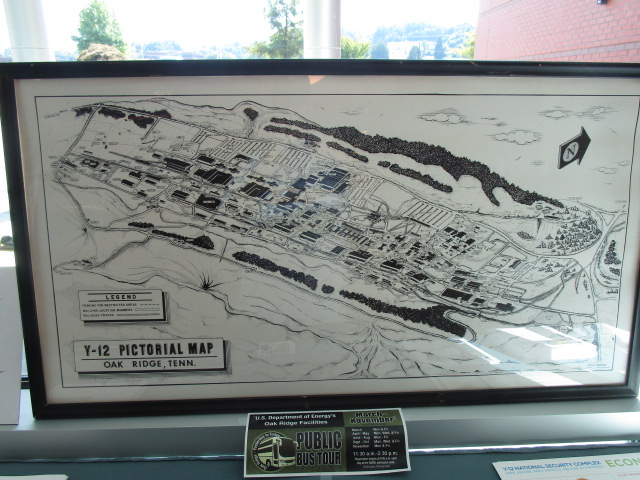
covered 500 acres and included 9 processing facilities – the first was known simply as Building 9731 or The Pilot Plant – with the footprints of each as large as a football field.

at the heart of each processing processing facility were what was known as a calutron. A calutron was in essence a piece of complex machinery that used huge magnets and
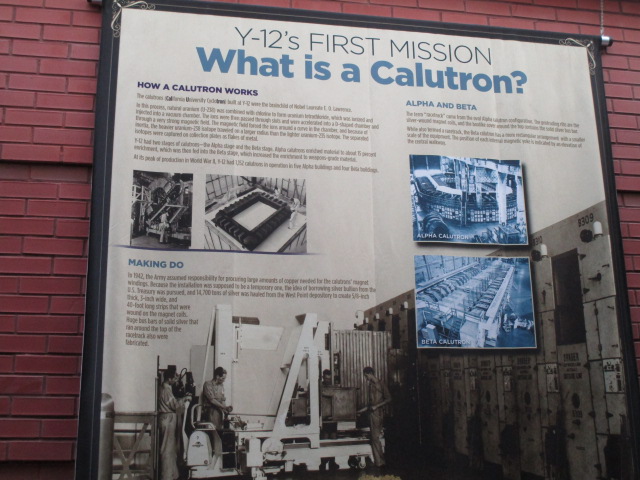 of vast quantities of electricity to separate the desired uranium-235 from the more abundant uranium-238. To maximize the separation and the use of the large magnets required, multiple calutrons were arranged around the magnets in a massive oval, which resembled and were called race tracks.

An interesting side note, during the construction of the calutrons Y-12 needed a large amount of copper, which was in short supply because of the war. The substitute turned out to be silver. 14,700 tons of silver bullion was borrowed from the U.S Treasury’s West Point depository, worth some $300 million, and wound onto the coils and formed into the bus bars for the calutrons’ huge magnets. In the end all but a very small amount of the silver was returned to the U.S Treasury.
At its peak of production in WW II Y-12 had 1,152 calutrons in operation in five Alpha buildings and four Beta buildings. The Alpha calutrons enriched material to about
15 percent enrichment, which was then fed into the Beta calutrons, which increased the

enrichment to weapons grade material. The Y-12 facility provided much of the weapons grade uranium used for the Little Boy nuclear weapon, which was dropped on Hiroshima in 1945. Today, only the Beta building 3 still has calutrons in operable condition.
This is a picture of control panels and operators for calutrons at the Y-12 plant.
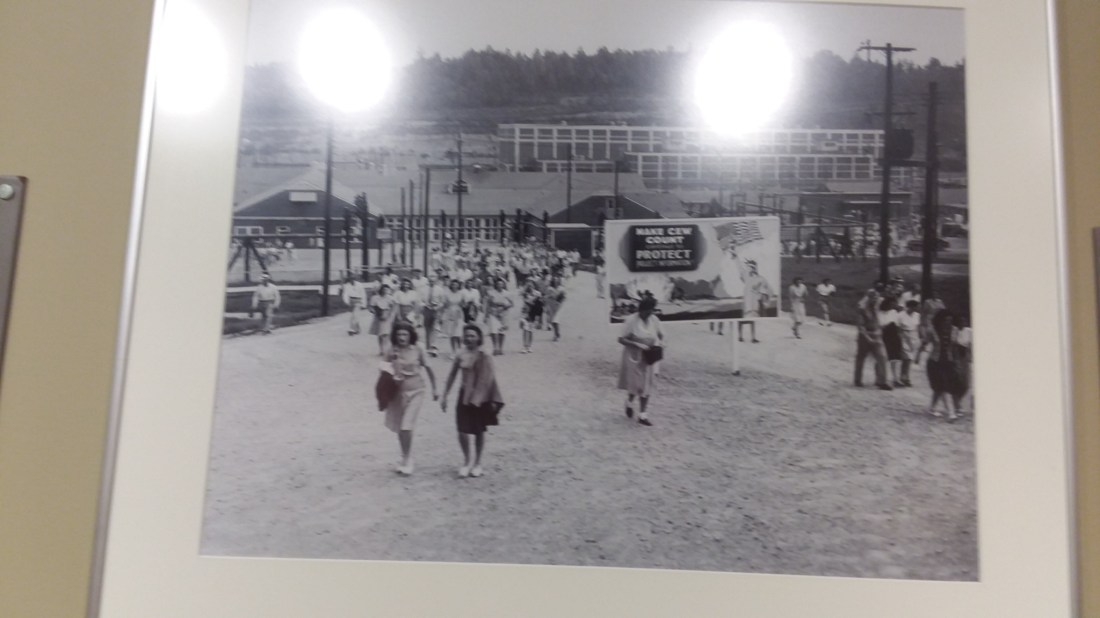
This is a picture of workers leaving after their shift at the Y-12 plant.
Today, Y-12 continues to serve our country in various ways. It works with The
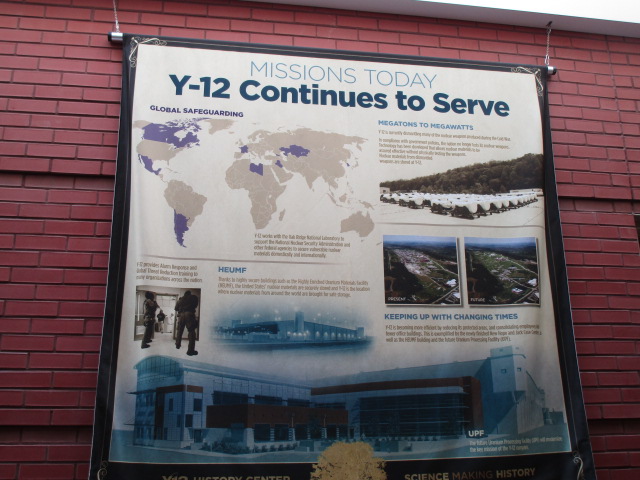
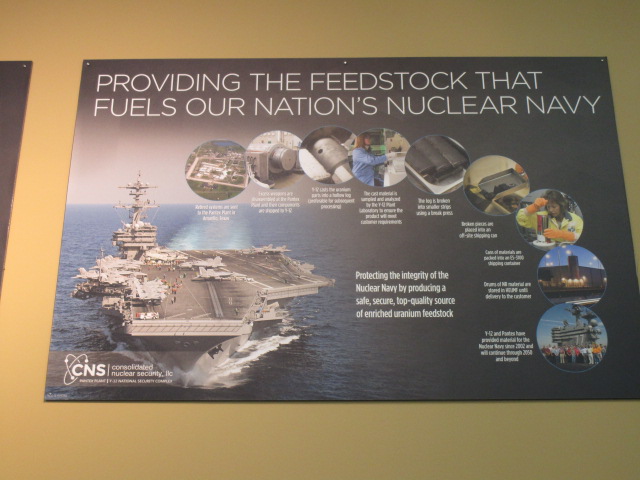
Oak Ridge National Laboratory to support the National Nuclear Security Administration to secure valuable nuclear materials; it is the location where nuclear materials from around the world are brought for safe storage; using technology it developed it is able to determine if existing nuclear weapons are still effective without physically testing the weapon; and, it supplies the fuel for our Navy’s nuclear fleet.
Now we come to the Graphite Reactor. The X-10 Graphite Reactor was the world’s first continuously operated nuclear reactor. The construction of the reactor which was one of 150 buildings erected employed 3,000 construction workers and cost a total of $12 million.
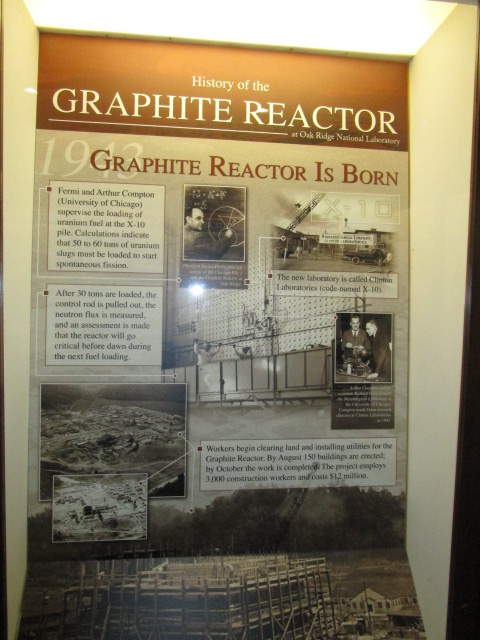
The X-10 reactor plant was planned to demonstrate the feasibility of scaled-up production and separation of plutonium from uranium. DuPont agreed to build the X-10 pilot plant and six large plutonium production reactors at Hanford, Washington.
The natural uranium fuel for the reactor was created in the form of 1 x 4 inch slugs, encapsulated in gas-tight cylindrical aluminum jackets. These were inserted by hand into horizontal channels in the graphite reactor loading face. Only 800 of the 1,248 channels contained fuel slugs.
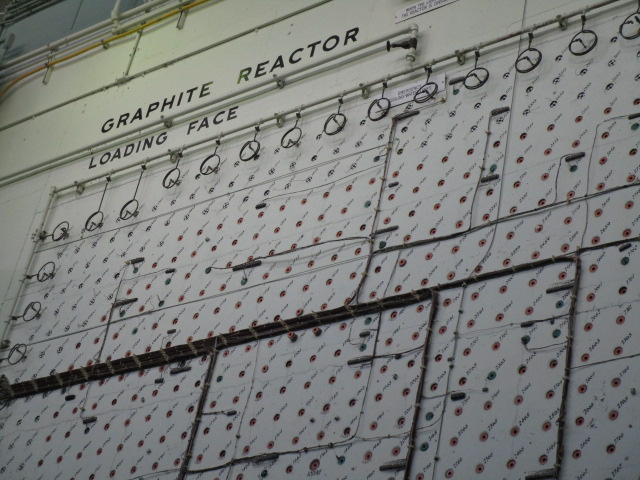
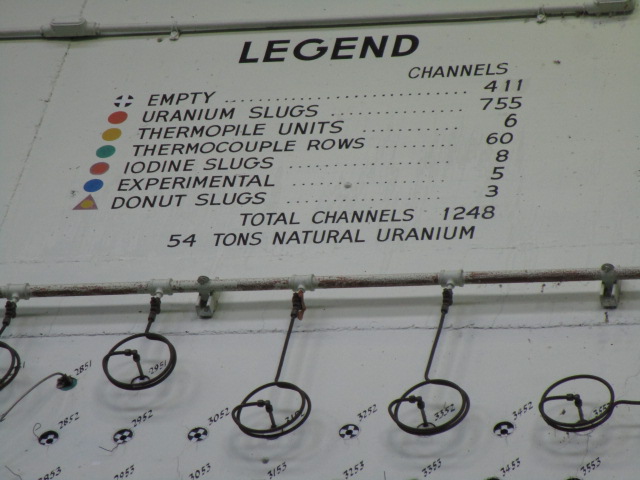
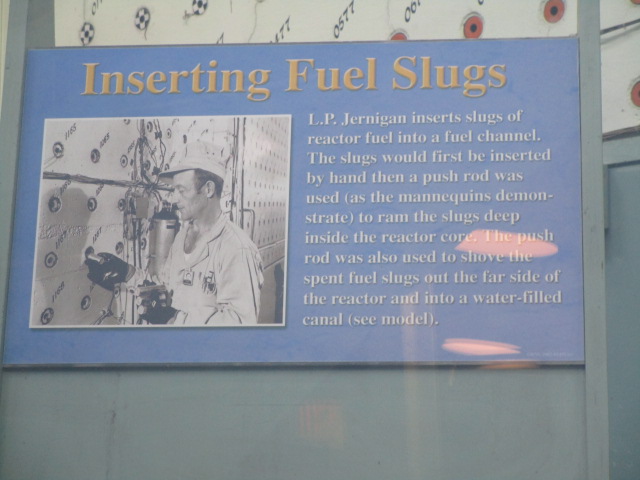
With 24 to 54 slugs per channel, the reactor usually contained about 54 tons of fuel. Slugs were then pushed through the fuel channels to the back of the reactor, where
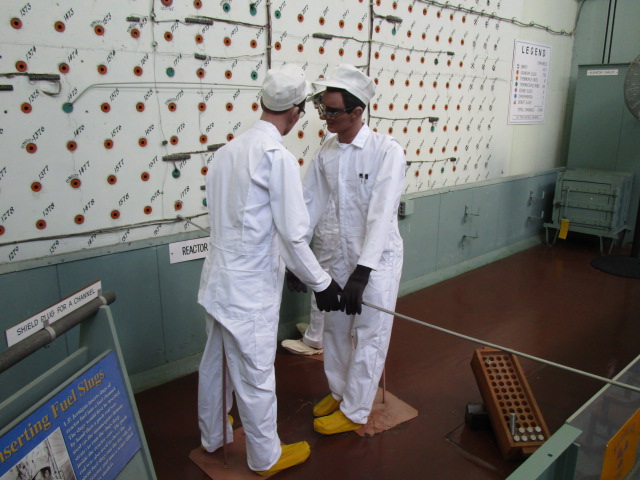
they fell into a canal filled with water 20 feet deep. They were then loaded into buckets using long poles and taken to a chemical processing plant where the plutonium was separated from the remaining uranium fuel.
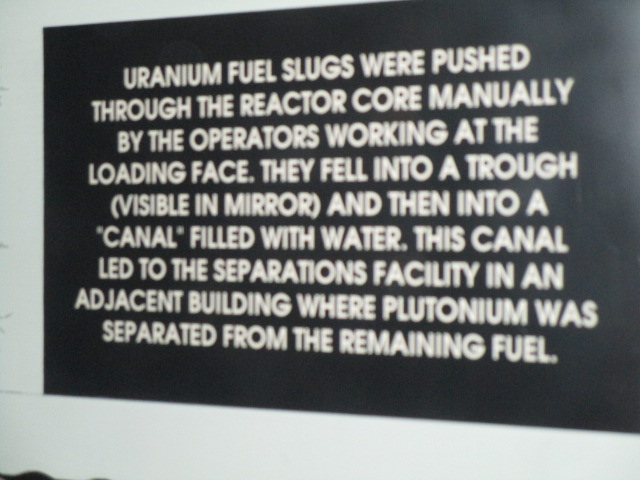
In November, 1943 the first uranium slugs are loaded into the reactor of the pilot plant for processing to extract plutonium. After 30 tons are loaded the control rod is pulled out, and an assessment is made that the reactor will go critical before dawn during the next fuel loading. However, for whatever reason the reactor went critical sooner than expected.
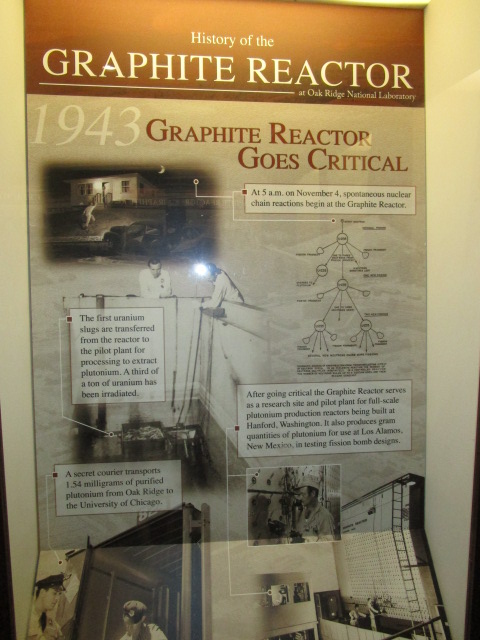
After going critical the Graphite Reactor serves as a research site and pilot plant for full-scale plutonium production reactors being built at Hanford, Washington.
On August 6th the U.S. drops a uranium-fueled bomb on Hiroshima, Japan. The uranium
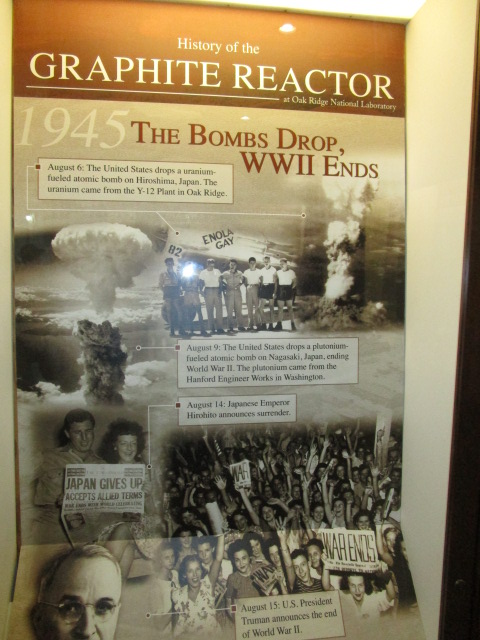
came from the Y-12 plant in Oak Ridge. On August 9th the U.S. drops a plutonium-fueled bomb on Nagaski, Janpan, ending WW II. The plutonium came from the Hanford Engineer Works in Washington. On August 14th Japanese Emperor Hirohito announces surrender and WW II is over.
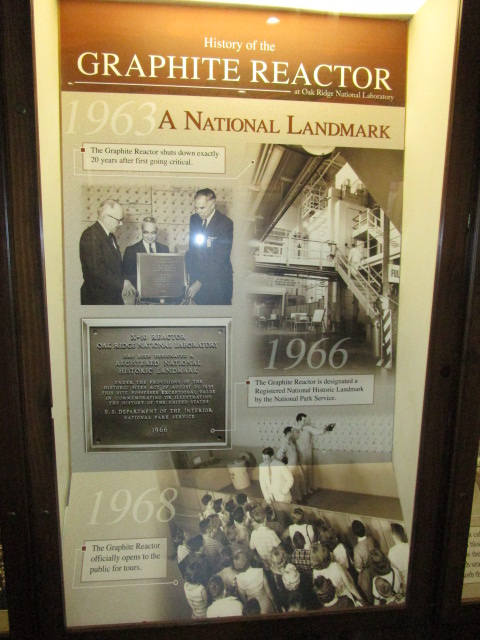
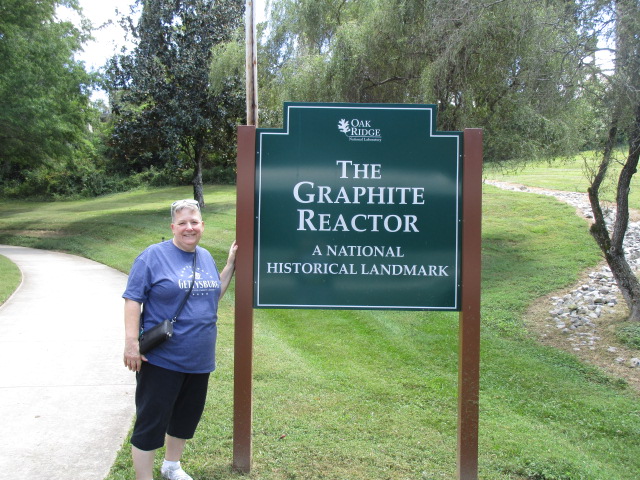
Exactly Twenty years after it went critical the reactor is shut down and eventually it is designated a Registered National Historic Landmark
This now brings us to the close of our tour of the secret city of TN, Oak Ridge. We absolutely enjoyed our time there, we were fascinated by it’s history as well as the critical and pivotal role it played in the ending of WW II. Never been there? I hope you get a chance to go some day on your own. You will not regret it.
Before ending I would like to ask for continued prayers for my mom who is in New Bern, NC. As of now we know that the city itself along the river front is flooded. Thankfully, she does not live anywhere near there. However, we can no longer reach her either on her cell phone nor the neighbor’s phone who she is staying with. In all likelihood they have already lost electricity. Not knowing exactly what is happening, though, is a bit nerve wracking. We can only sit tight, pray, and wait to hear from her whenever that might be.
Going to say goodnight now. Thanks for coming along with us again. We hope you enjoyed your journey with us on The Road of Retirement. Let me now leave you with this to think upon and ponder:

As always, if you are coming to the end of your day with concerns and worries, let me suggest that you turn them over to God. After all, He is going to be up all night so why not let him handle them for you.
Time now for our evening prayers and eventually some shut-eye. Till tomorrow.
These are the voyages of Graybeard and it’s occupants, four paws and two humans. Our continuing mission: to explore as many new states as possible, to seek out new acquaintances and make new friends, to boldly go where we have not been before

 "On The Road of Retirement"
Prayers are continuing for your Mom and all involved. Before leaving on this trip our neighbor had mentioned Oak Ridge to us as The Atomic City. Sounds like a place we should see, but if we don’t we now know a lot more than we did yesterday. Thank you for that.
LikeLike