TOUR AMERICA 2022, TOMORROW STAR’S RV RESORT, SOUTH CHARLESTOWN, OHIO

Sunday, September 4, 2022

Temperature 69 Degrees, Rain throughout the day

The Quest for Wilbear Wright and The Aviation Trail

We have one more project we need to complete before we leave this area. We are on a quest to obtain our own Wilbear Wright teddy bear.

And how do you get your own? It really is quite easy but at the same time it is time consuming and means miles of travel around the Dayton region. But hey, we have the time and travel is our middle name!
Here is how it works. In this region there is what is known as The Aviation Trail.
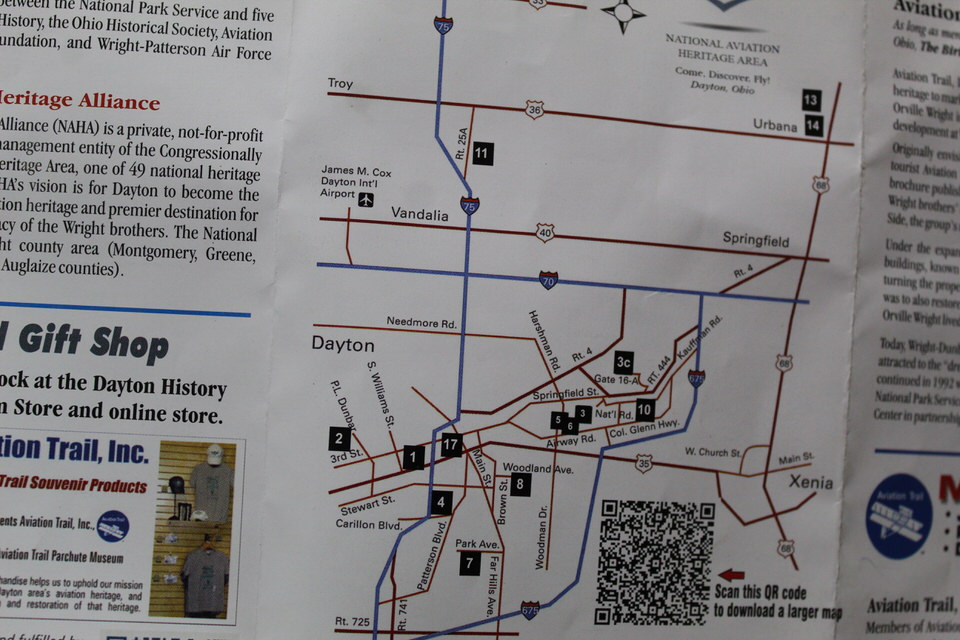
The Dayton Aviation Trail is a self-guided tour of selected, aviation-related sites open to the public.  The Trail was established in 1981 by Aviation Trail, Inc., an all-volunteer, not-for-profit corporation whose mission is to preserve and promote the Dayton’s area’s unique aviation heritage, starting with the invention of the airplane by Wilbur and Orville Wright. 

There are a total of seventeen aviation related sites laid out as a self-guided tour. To qualify for your very own bear you are required to visit just eight of them.

You receive a passport book when you begin your quest and you must have it stamped at each site with their respective stamp. There is one required site and we will visit that one this coming Tuesday. Also, on Tuesday we’ll go back to the Air Force Museum and that will give us the last two stamps that we need for our eight.

On the trail yesterday we visited three sites.
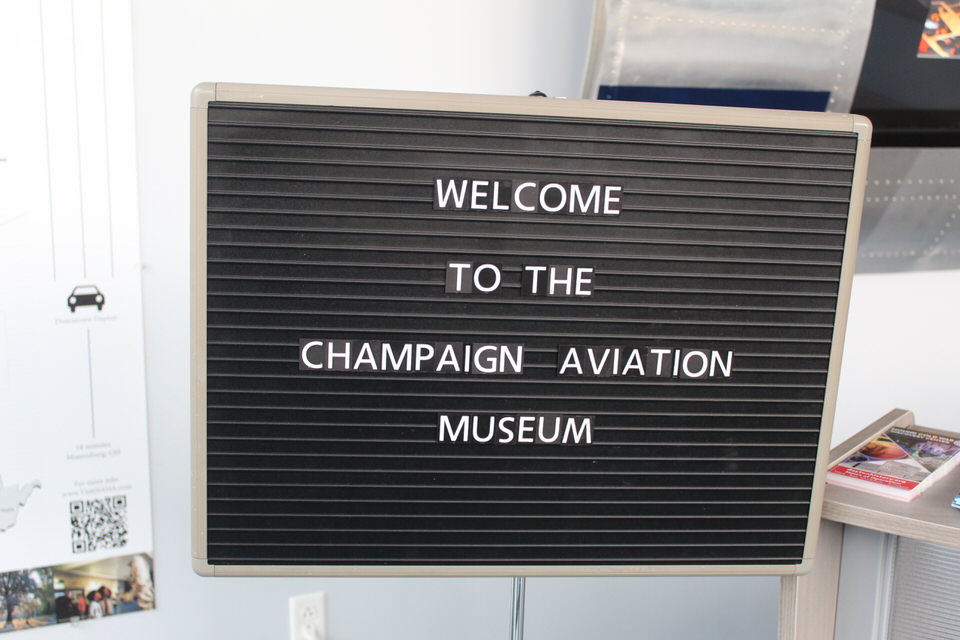
This was our first stop and our first of three stamps.

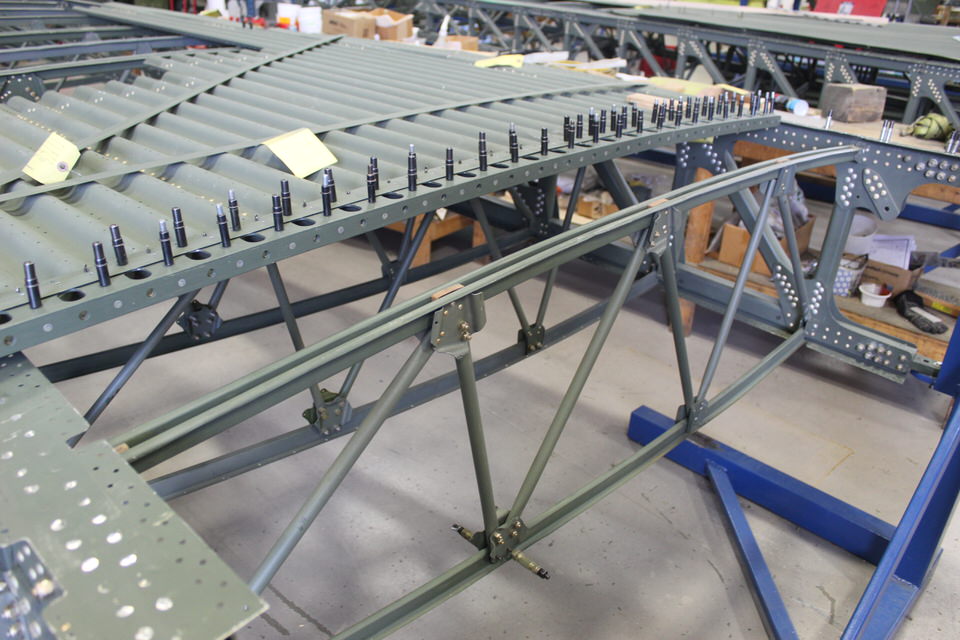
This was not so much a museum as a restoration shop. They are currently in the process of rebuilding a B-17 Flying Fortress. They also make and ship parts to other shops that are in the process of restoring other historic aircraft.

Our second stop and second stamp.
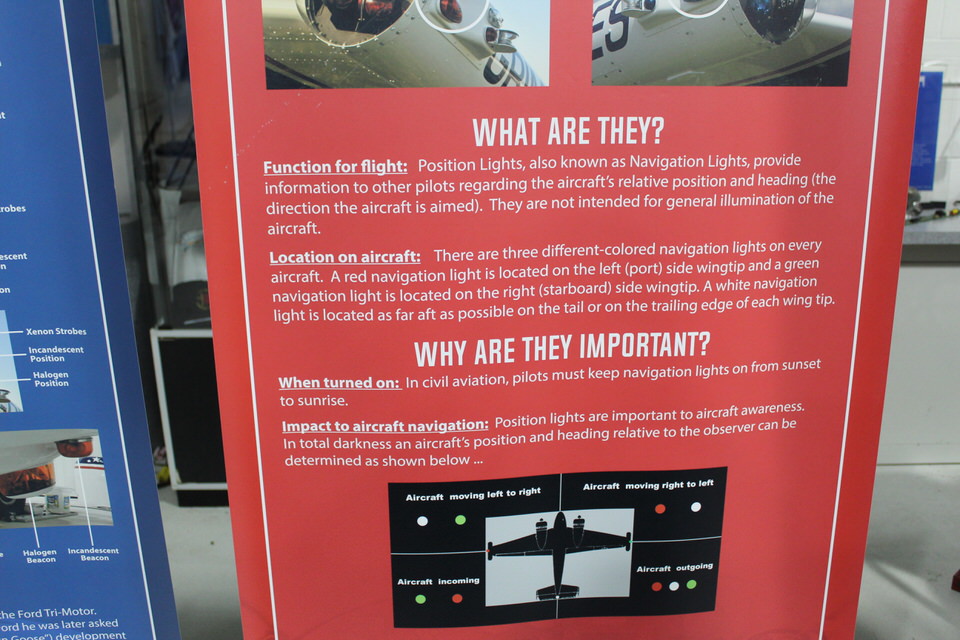
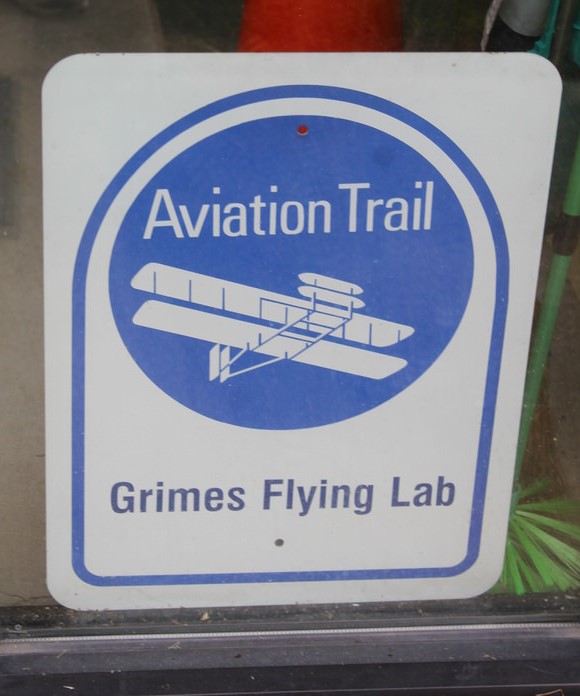
Grimes was known as the Father of the Aircraft Lighting industry.

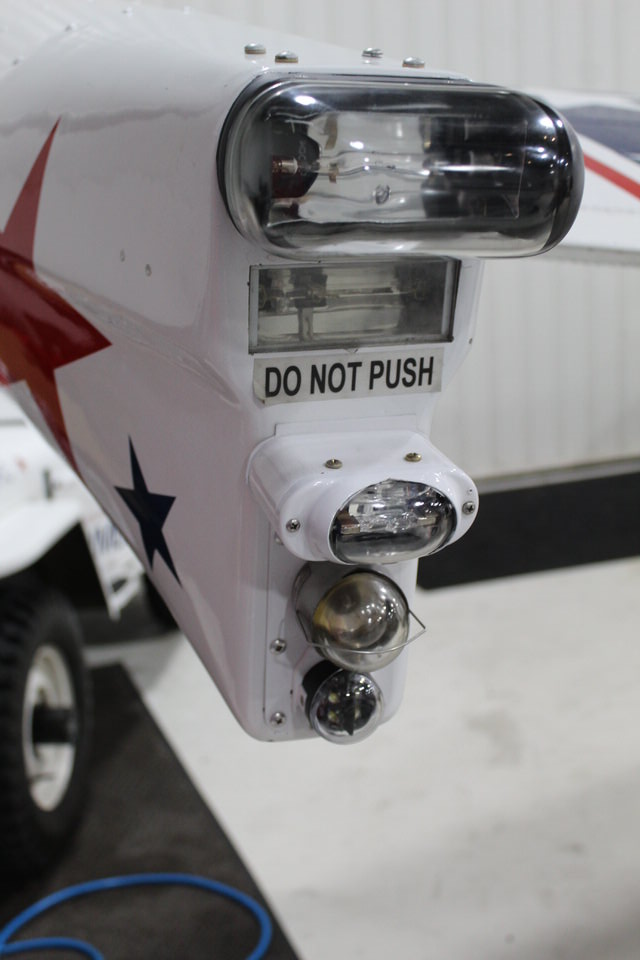
He was the inventor of the familiar red, green, and white navigation lights found on the wing tips and tails of the aircraft. He also developed other aircraft fixtures including landing, instrumental and interior lights. Every American-made airplane flown during World War II was equipped with Grimes lights.

Our third and final stop and stamp yesterday on the Aviation Trail.

This museum was dedicated to the Weaver Airplane Company of Ohio

Prior to World War II Waco was American’s most popular plane. Nearly 40 percent of all planes during that time period were Waco’s.
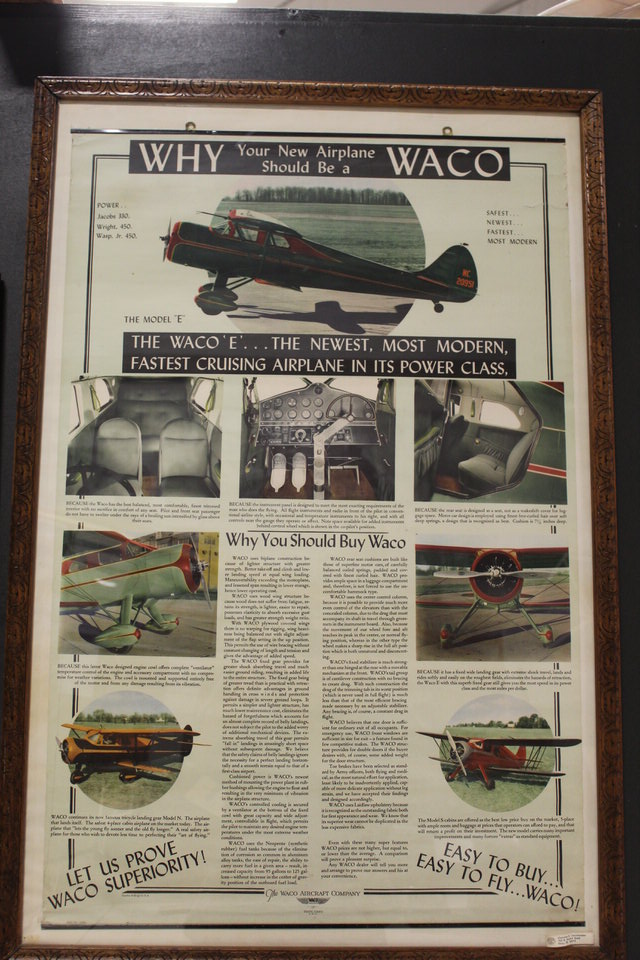
A very small but interesting exhibit. For instance,

this aircraft was flown by its last owner – Harold Johnson – for more than 45 years throughout the Midwest at various air shows and he also did a nightly air show for seven years at Kings Island Amusement Park. So what makes it unusual?

Yup, that is a Coke cup stuck on the nut that holds the prop on. The story goes that one night after finishing his nightly air show Harold was taken to task for not having a proper nose cone for his propeller. Well, he finished the coke he was drinking, took the now empty cup, stuck it on the nut over the propeller and said There, now it has a nose cone! The funny thing is, he forgot about it, flew the plane back to its home base and lo and behold the cup was still there – as it is today.

OK, that is where our travels took us yesterday. Today, we’re hunkered down as the rain continues to come and go. No problem we have Rummikub to keep us occupied.

Thanks again for spending some time with us.  It’s always great to be able to share our story with family and friends. Comments? Feel free to share them with me. And always remember, cherish every moment of every day that God gives you and live those moments to the fullest. 

Our continuing mission remains the same: to explore as many new states as possible, to seek out new acquaintances and make new friends, to boldly go where we have not been before.
TOUR AMERICA 2022, TOMORROW STAR’S RV RESORT, SOUTH CHARLESTOWN, OHIO

Friday, September 2, 2022

Temperature 80 Degrees, Abundant Sunshine

Dayton, Ohio Update

Why in the world would we want to spend three weeks in the Dayton region? That’s what we said after we made the reservation for this campground. So, we revised our travel plan and booked the side here for only two weeks. Well, as we’ve now discovered it probably would have been better to keep it at three!

Why?

Let me explain. Perhaps, you’ve noticed a lack of blogs about this area of Ohio. That’s not because we’ve been sitting still. We’ve been on the go and we’ve toured some mighty impressive museums and parks.

And we still have about three or four more sites to take in before we leave next week.

As for where we’ve been so far.

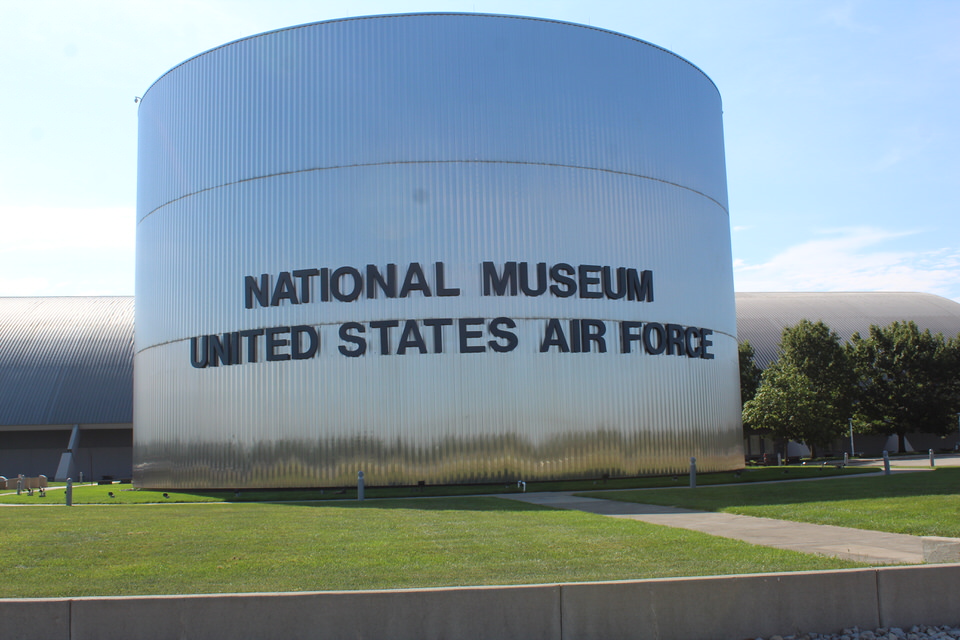
We spent two days at the National Museum of the United States Air Force.

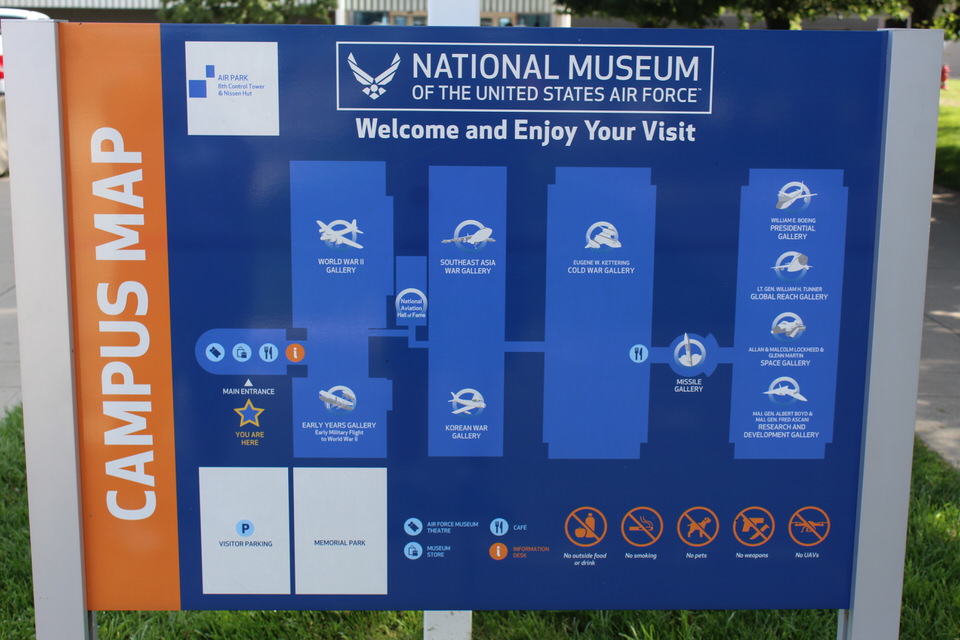
It features more than 350 planes and missiles on more than 19 acres of indoor display space housed in a total of 4 separate hangers all connected by a common walkway. I believe I have about 1000 pictures from our two days spent here. There will be at least one more blog about the Presidential Planes.

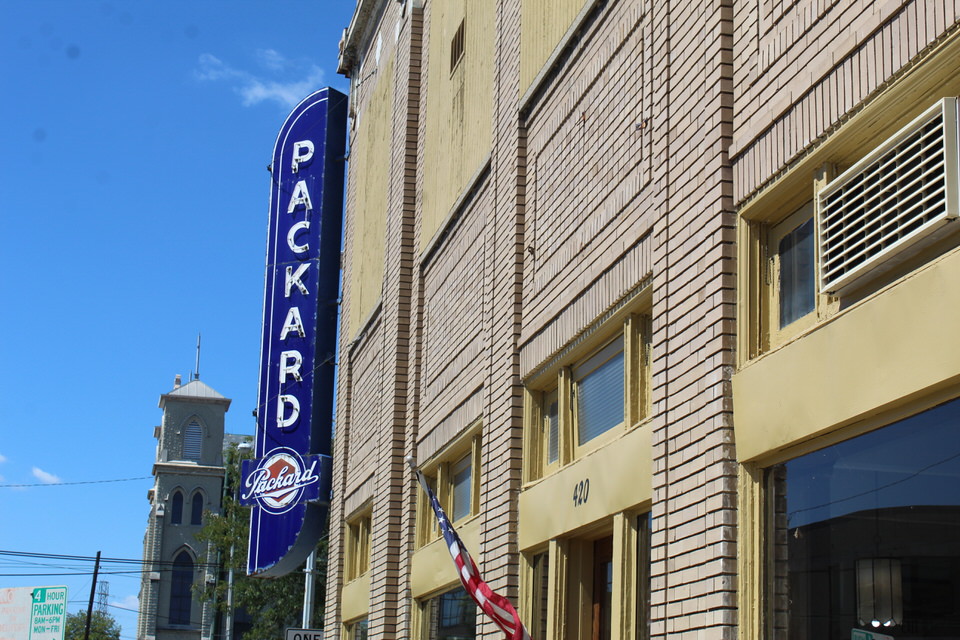
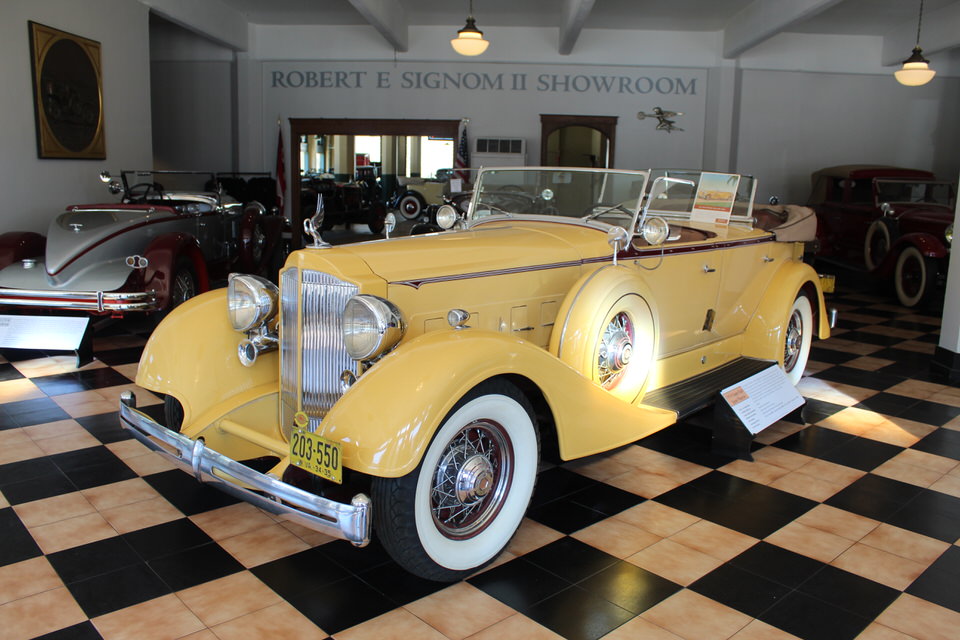
We’ve also been to the American Packard Museum.

Here’s one for you. Back in the day a set of parents purchased this car for their 16 year old daughter. Back in that day it cost $3,180 when new. Guess what? Said daughter refused to drive it. She said it was ugly, the color was not to her liking and it was too big!

About 150 pictures to go through.

Next sightseeing stop.

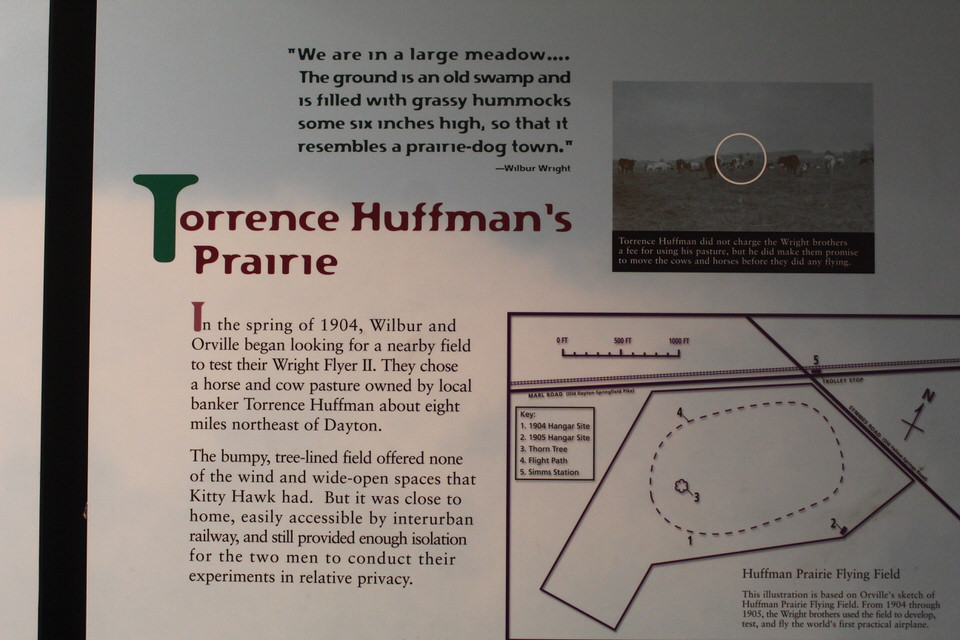
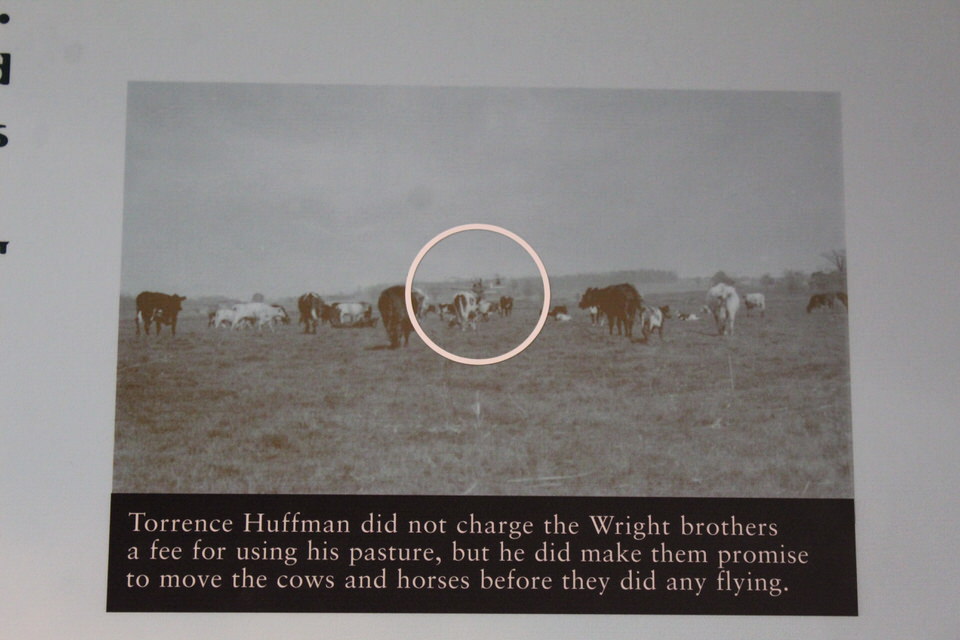
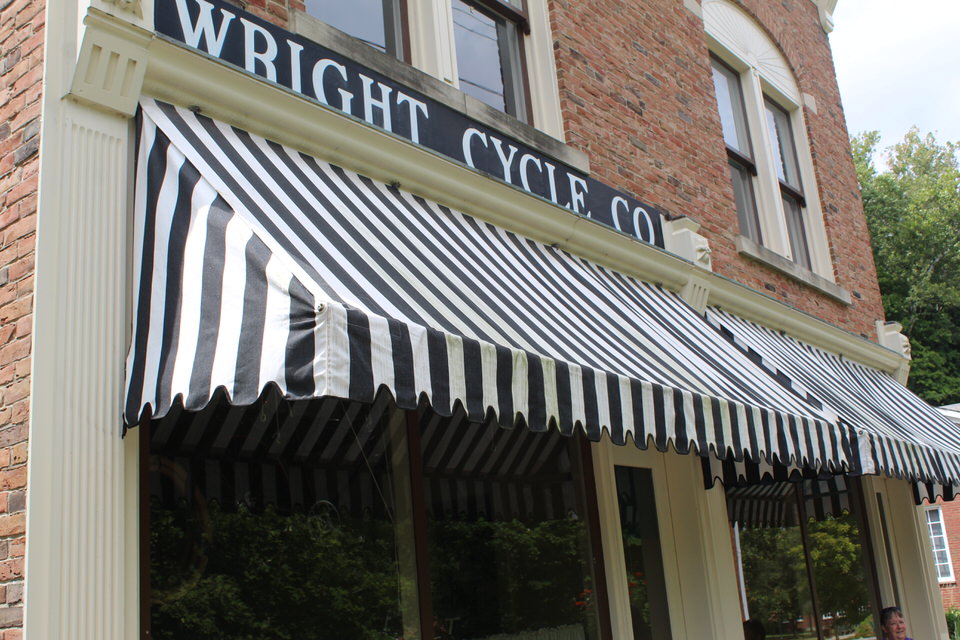
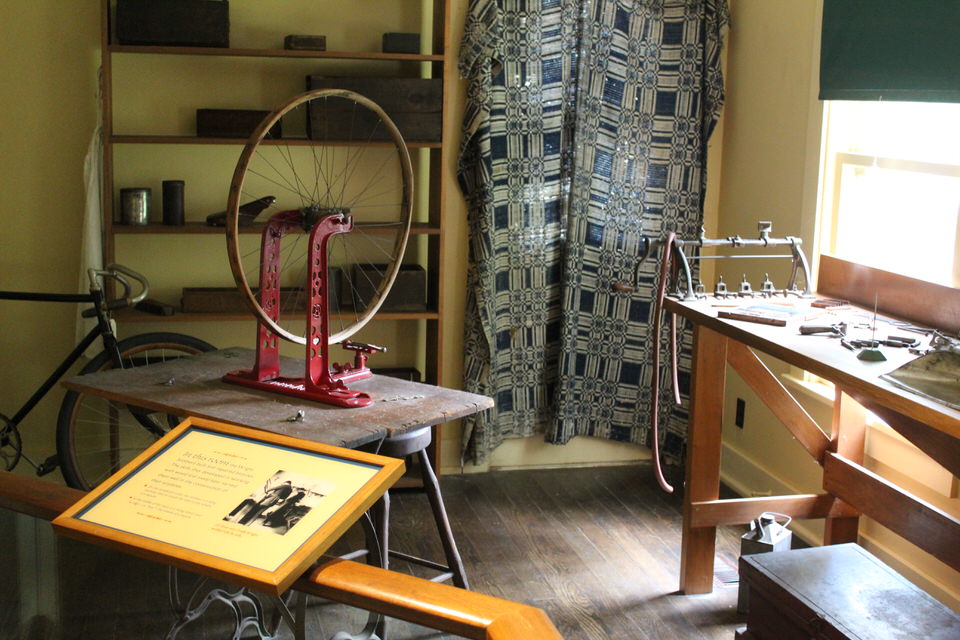
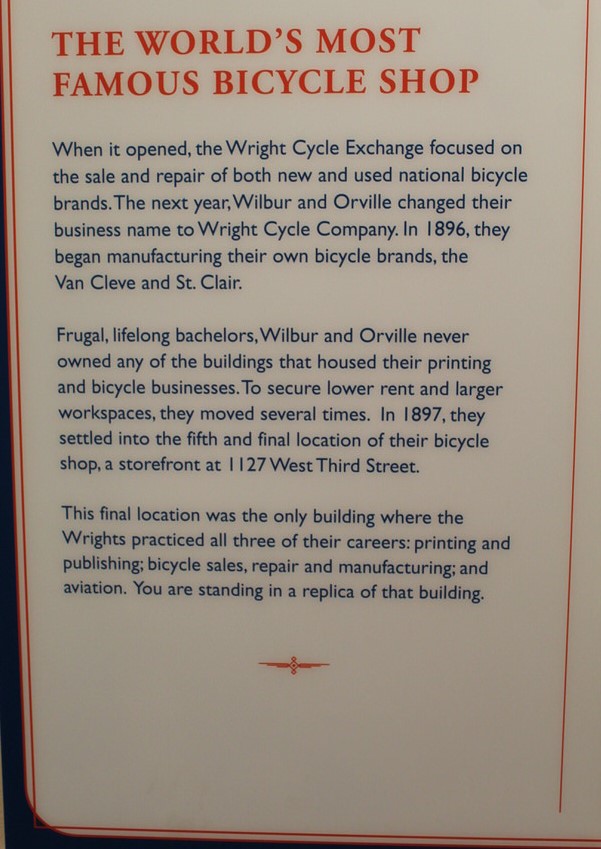
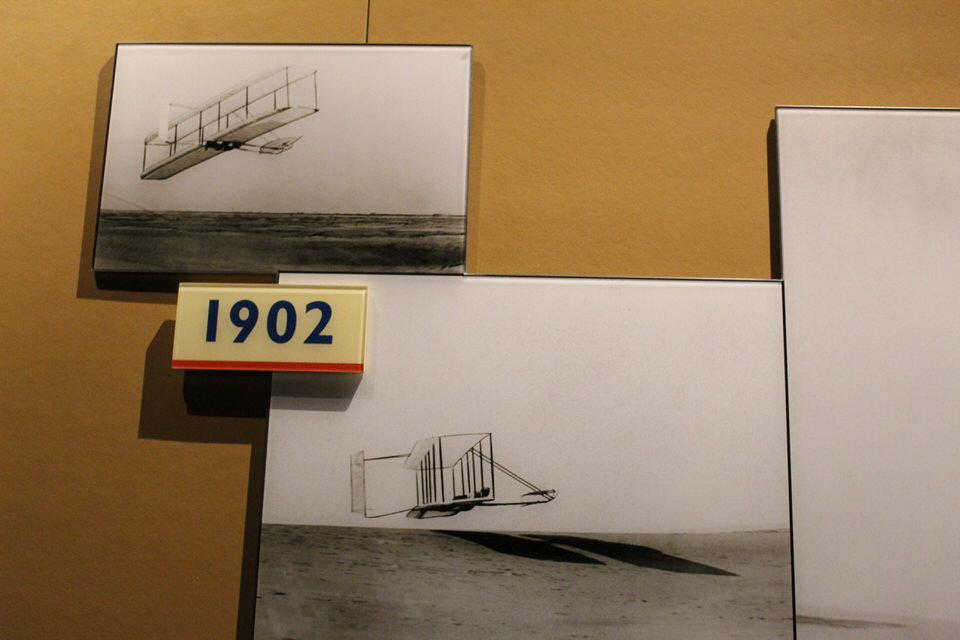
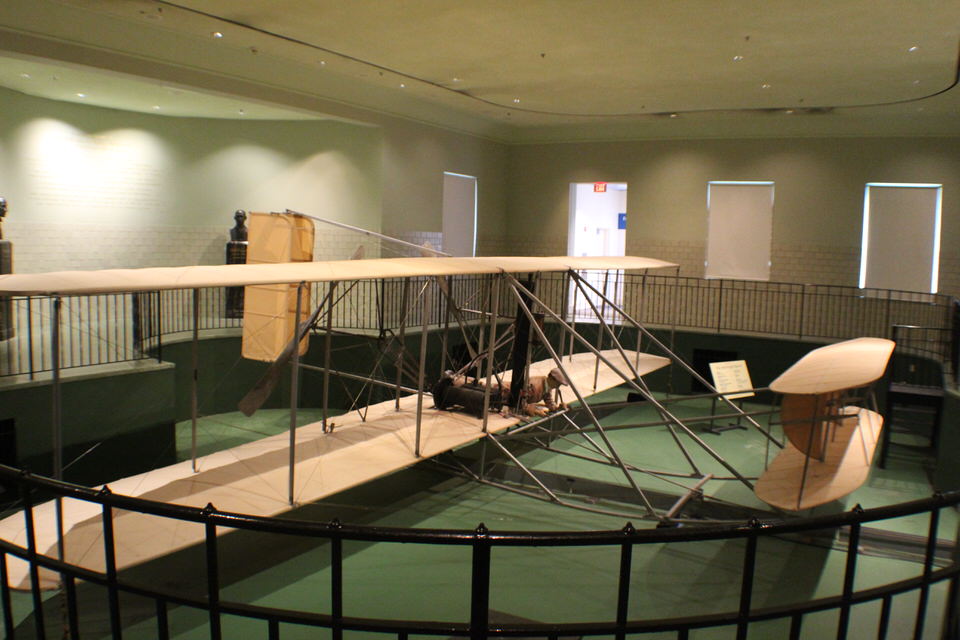
The exhibits here focus on the Wright brothers’ experimental flights at Huffman Prairie Flying Field in 1904 and 1905.

There are also exhibits that focus on the Wright Brothers’ Flying School at Huffman Prairie from 1910 to 1916.

The Wright Memorial is also at this location.

About 150 pictures to go through.

Moving on, we come to today.

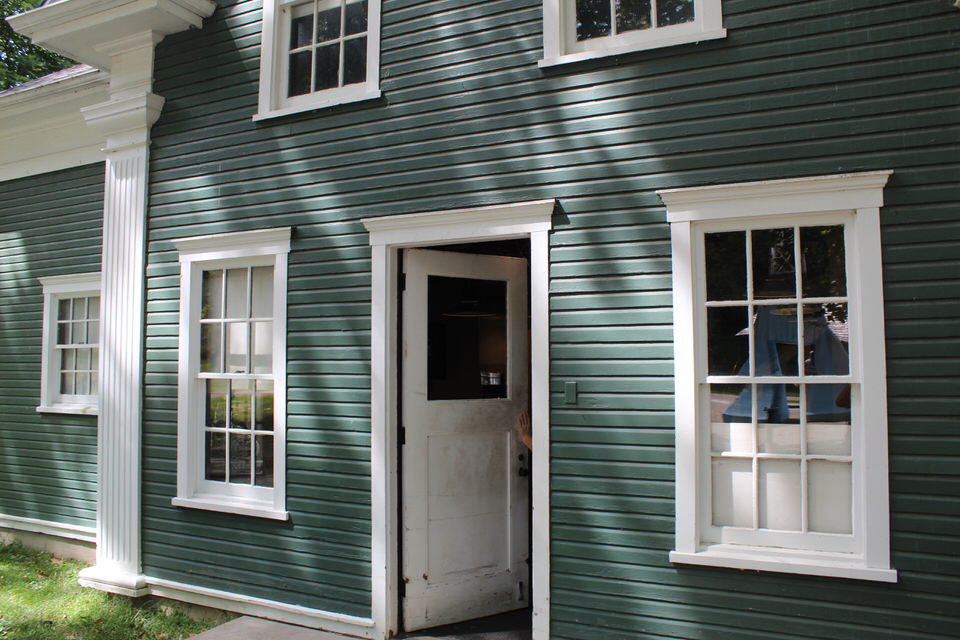
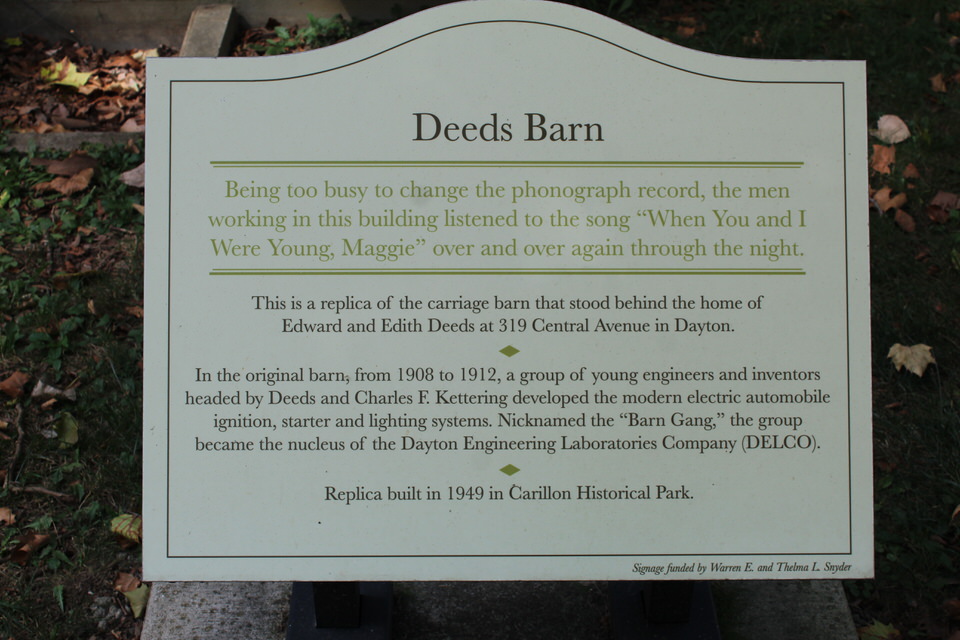
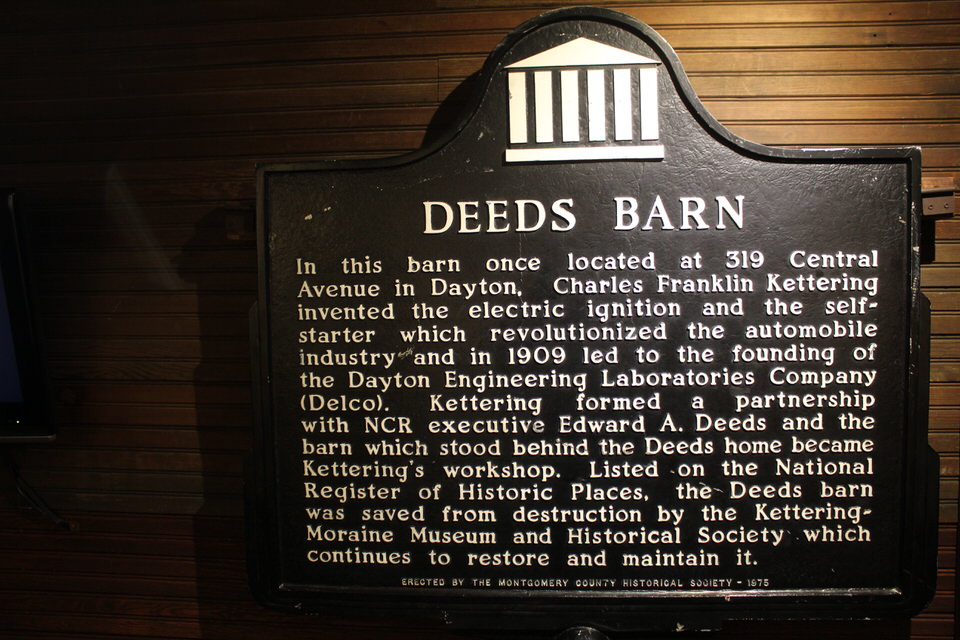
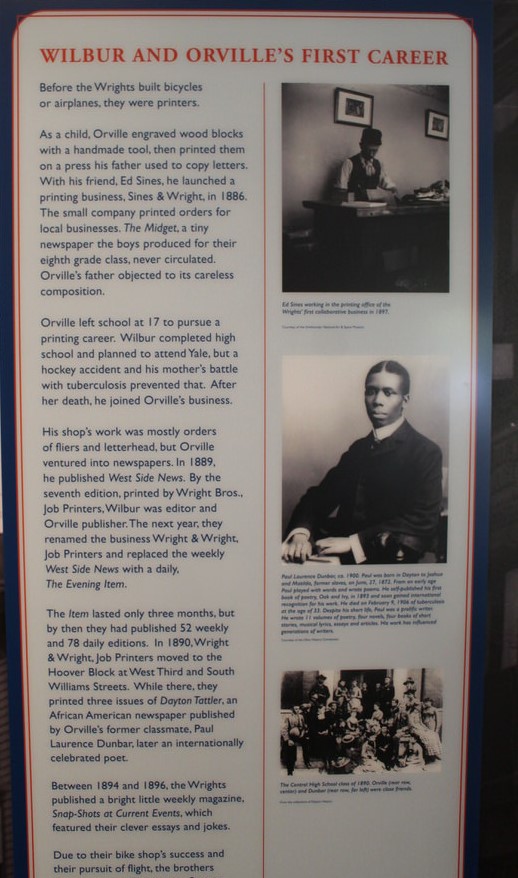
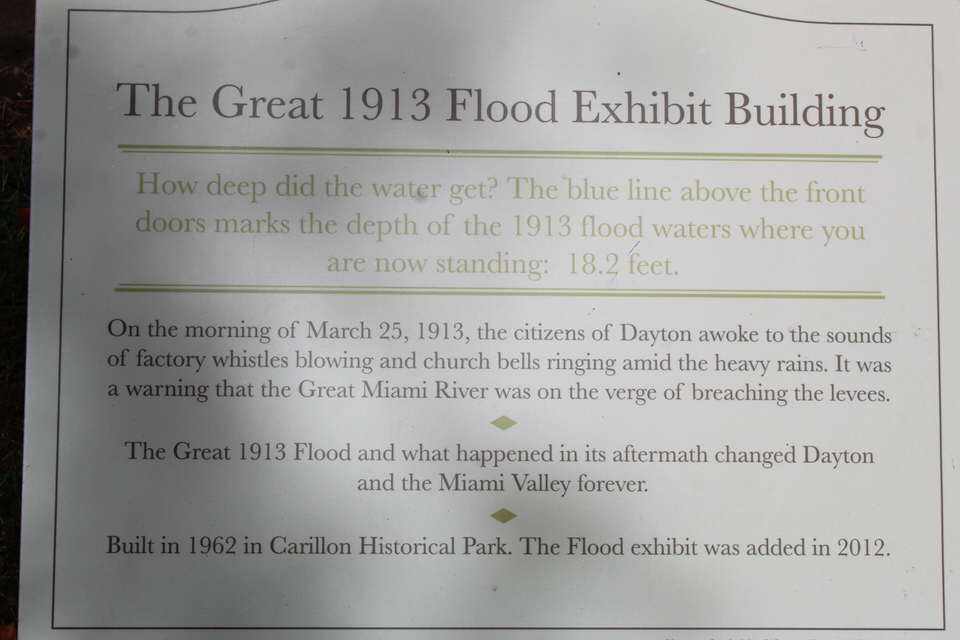
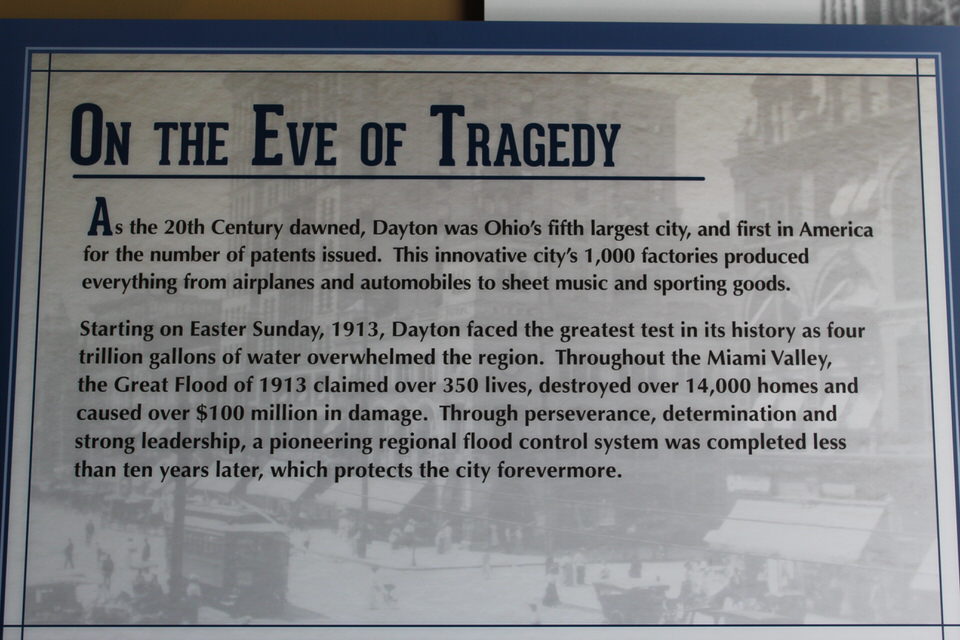
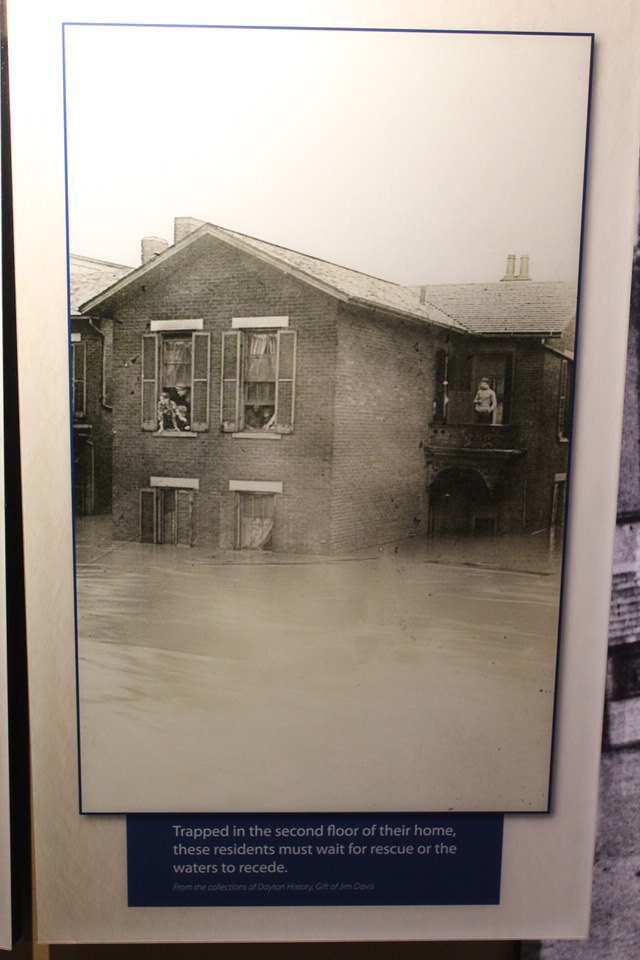
There are a total of 45 historic buildings and exhibits within the grounds of the park. We were able to tour just three.

A few snapshots of the items on exhibit.

Also on the grounds of the park you’ll find

There is oh so much here. Quickly, here’s a snapshot of some of the exhibits.

The crown jewel of this exhibit is

From here we moved to the last exhibit we were able to visit due to the time of day

So, just a snapshot of the exhibits we saw in the park today.

A total of 695 pictures to sort through.

And while doing all of this, we’ve had an anniversary celebration.

Proton has now been with us a full year. We’re glad your ours now and forever.

And we’re still dealing with all four slides coming in on their own. The last time it happened I put them back out, then went outside and disconnected the power to all four. I’ll connect them up just before we leave. We have an appointment in September to hopefully get them fixed.

So, maybe no in-depth blogs but we’ve been busy. Life is good and we’re enjoying each day that God gives us to the fullest. We hope you are too.

Thanks again for spending some time with us.  It’s always great to be able to share our story with family and friends. Comments? Feel free to share them with me. And always remember, cherish every moment of every day that God gives you and live those moments to the fullest. 

Our continuing mission remains the same: to explore as many new states as possible, to seek out new acquaintances and make new friends, to boldly go where we have not been before.
TOUR AMERICA 2022, TOMORROW STAR’S RV RESORT, SOUTH CHARLESTOWN, OHIO

Wednesday, Aug 31, 2022

Temperature 76 Degrees, Abundant Sunshine

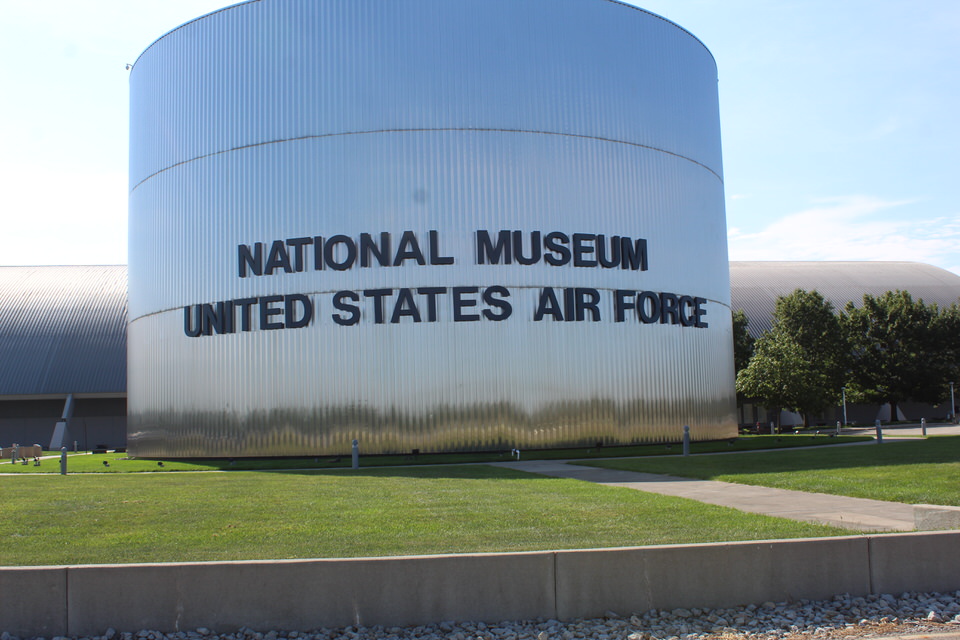
National Museum of The United States Air Force, Part One

I guess you could rightly call me a good old country boy. I love cars, trains and planes. Goodness knows we’ve been to any number of museums about the three throughout this great country of ours. But this one, when it comes to planes, planes and more planes tops them all.

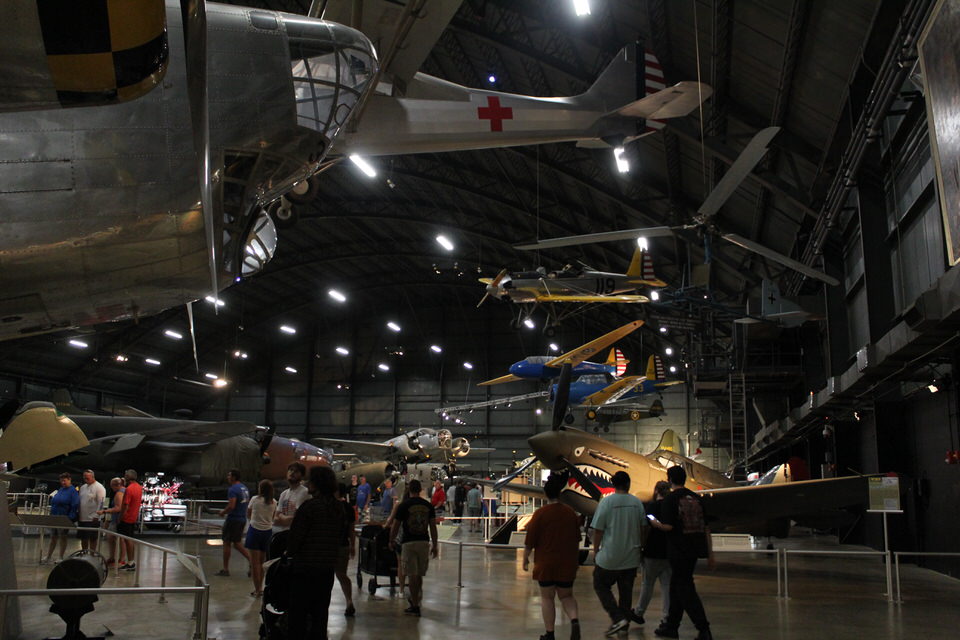
What we have here is four hangers full of all things airplanes and everything related to them. The National Museum of The United States Air Force is the official museum of The United States Forces located at Wright Patterson Air Force Base. It is the oldest and largest military aviation museum in the world. It features more than 350 planes and missiles on more than 19 acres of indoor display space housed in a total of 4 separate hangers all connected by a common walkway.

Now, I know you’re probably thinking how long does it take to see everything there is to see? That depends. If you a: just want an overview of the entire museum you can take a guided tour that takes approximately 2 hours. If you b: want to wander around on your own and just sort of see this and that perhaps 4 to 5 hours will do. If you c: really want to see everything in great detail than you’ll need 4 to 6 hours per day for about a full week. Or d: you can do what we did, that is go with a plan in hand. Meaning, we had a specific list of planes and exhibits that we wanted to see and if time permitted than we would sort of wander around.

Here are some of the exhibits that we made a must see.

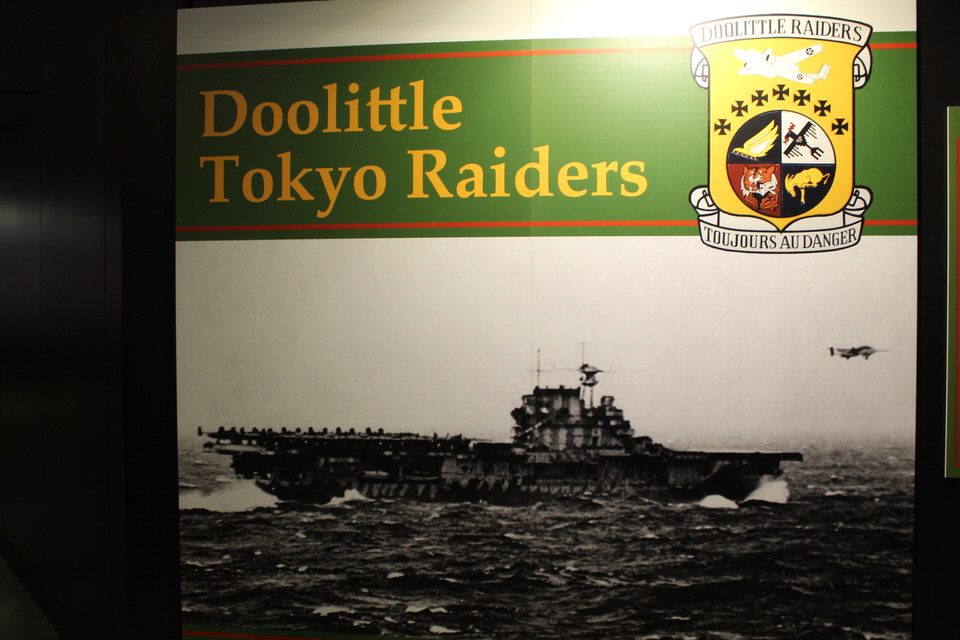
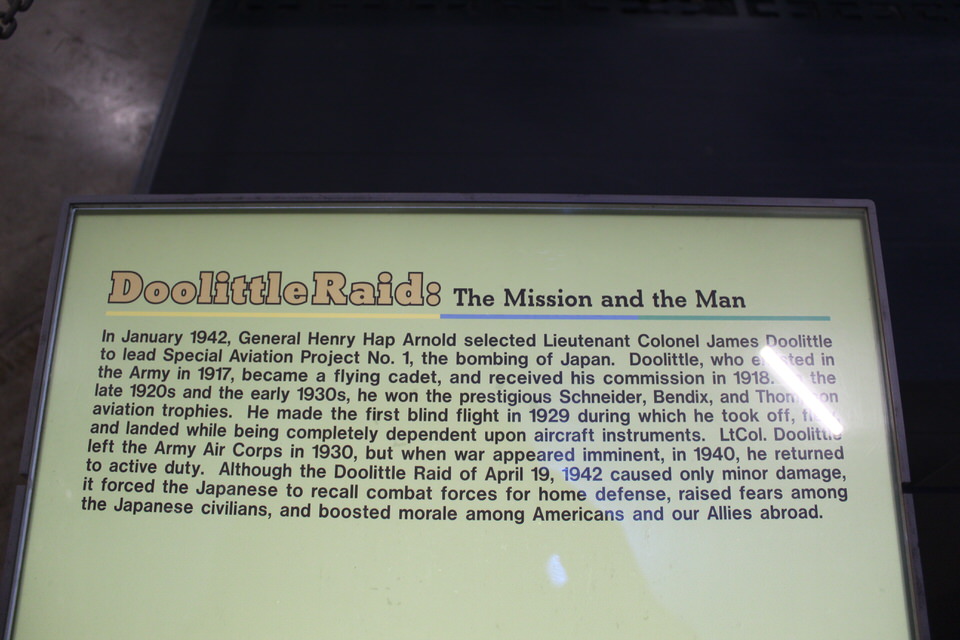
In the Spring of 1942, American morale slumped due to the number of Japanese successes, and the country desperately needed a victory. An attack against the heartland of Japan was suggested using medium bombers flown from a US Navy aircraft carrier. The plan was put together in top secret and became known as the

Unfortunately, after the raid not all crew members made it back safely. Eight were captured and subjected to a trial in Japan with three subsequently being executed. The other five were kept in solitary confinement, one died of starvation and the remaining four were finally set free in 1945.

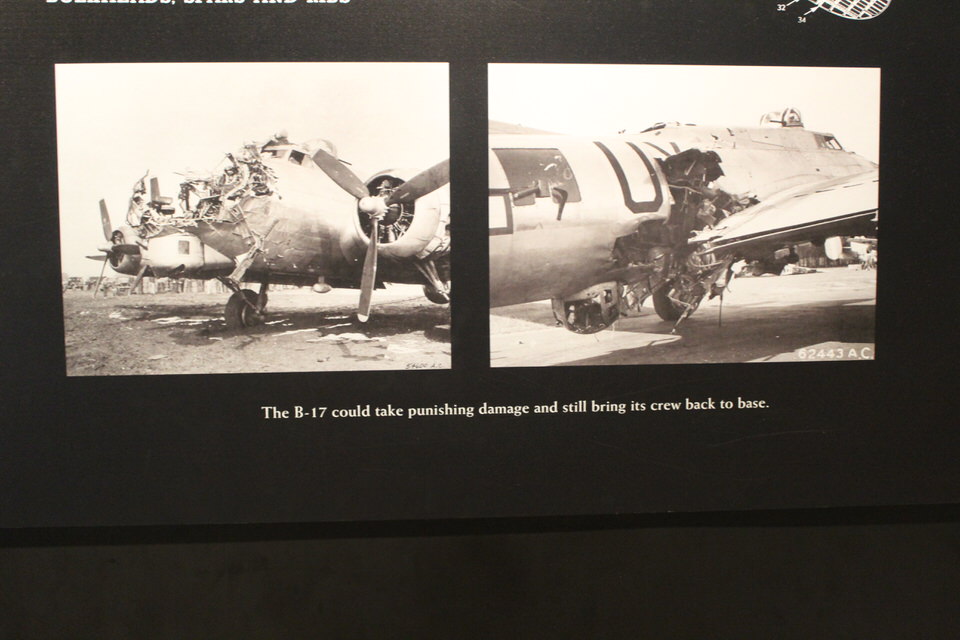
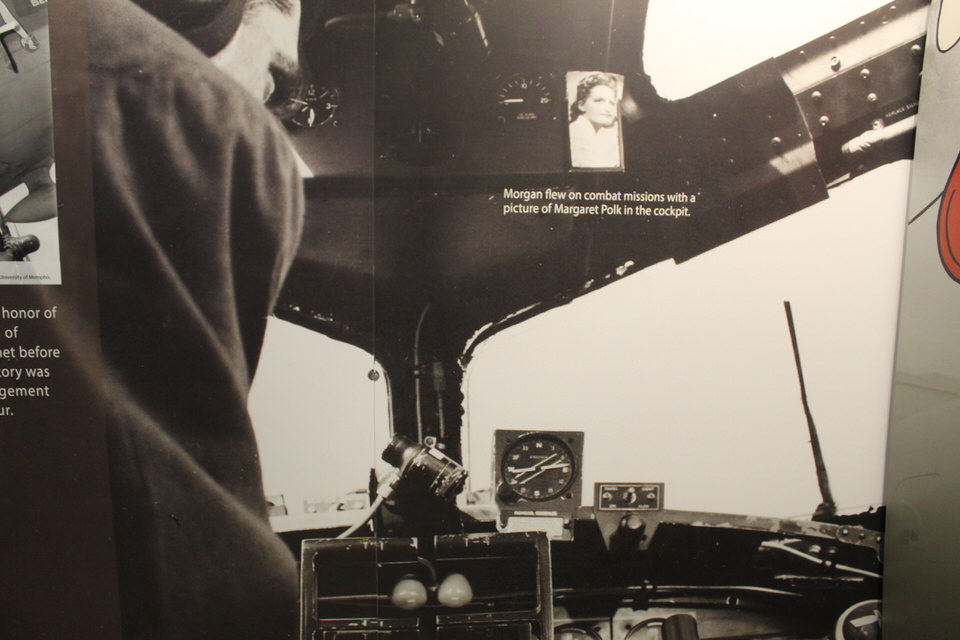
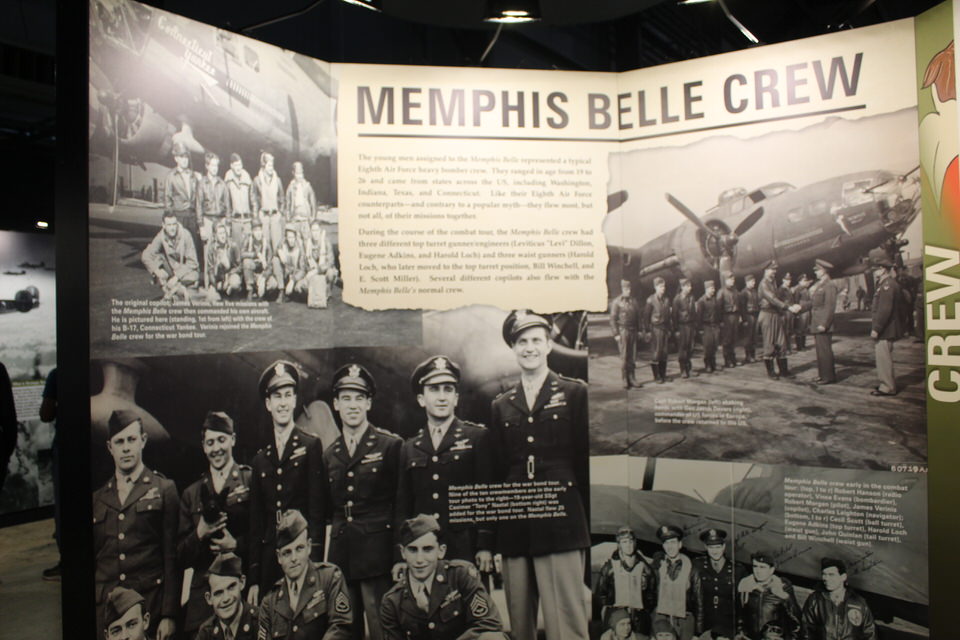
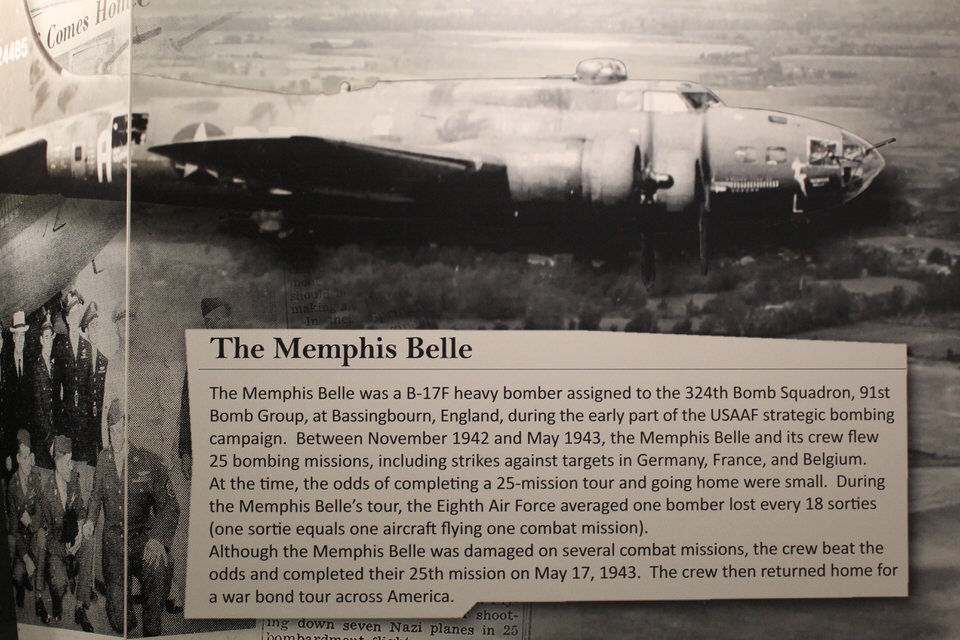
Moving now to the European front.

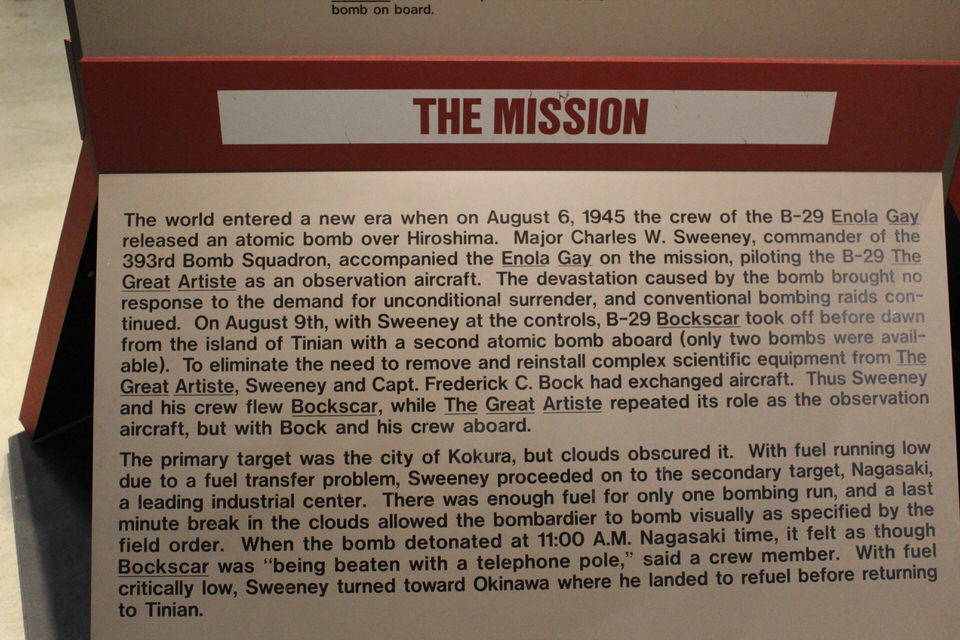
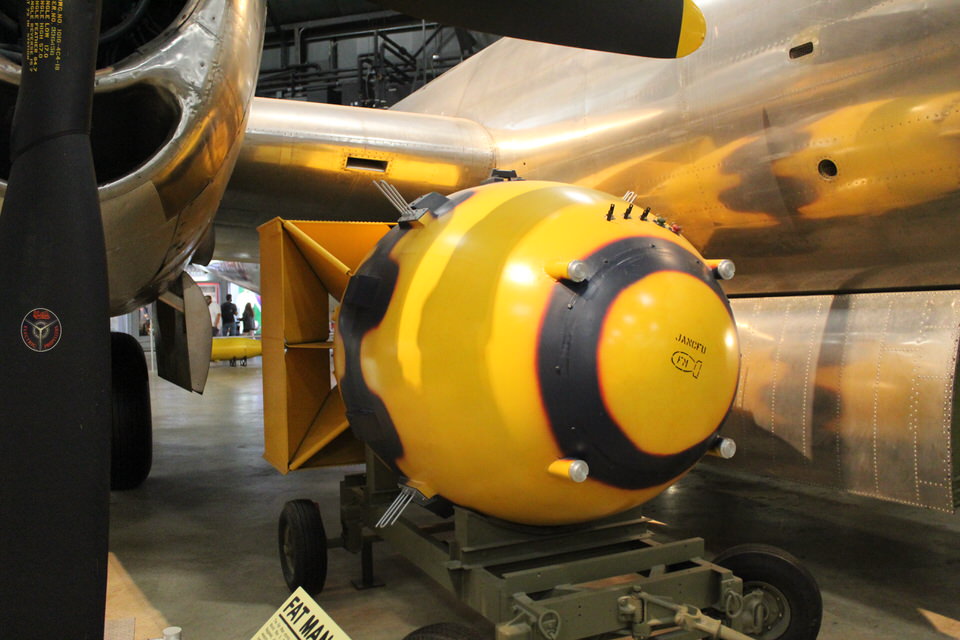
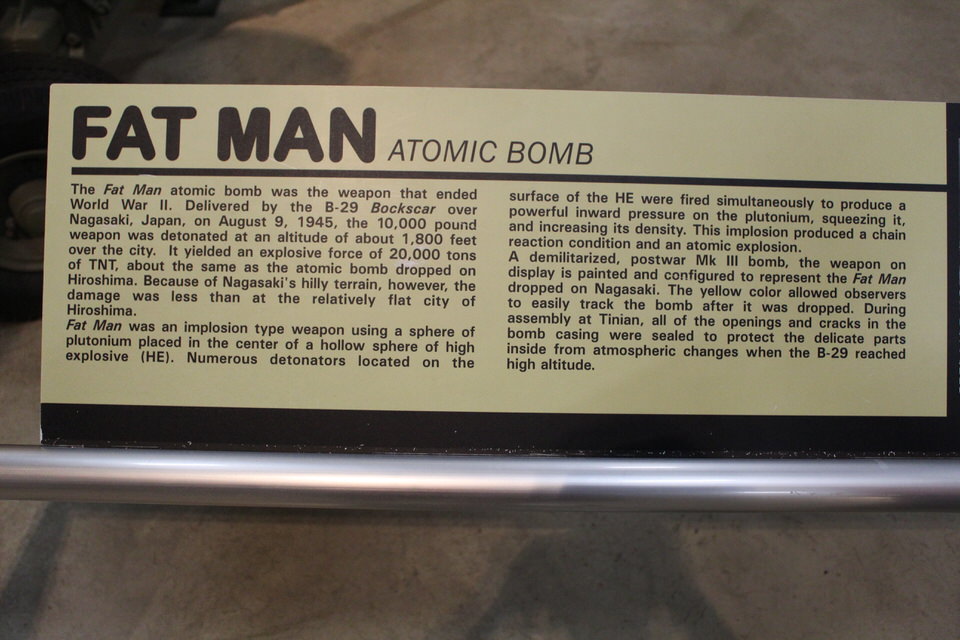
The end of the war.

There were other exhibits we also spent time at but we also wandered.

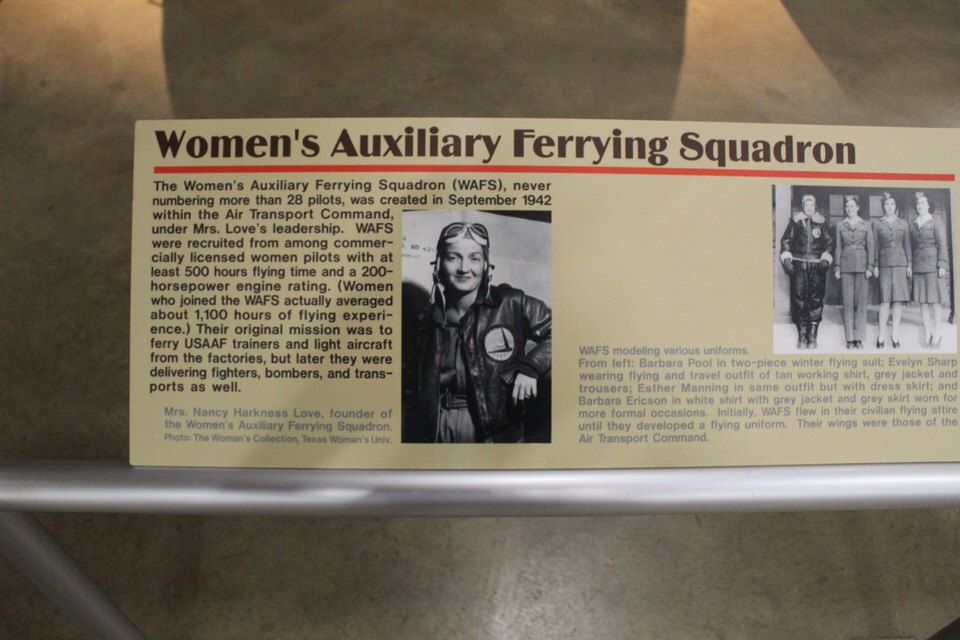
We learned a bit about the role that woman played during WW II

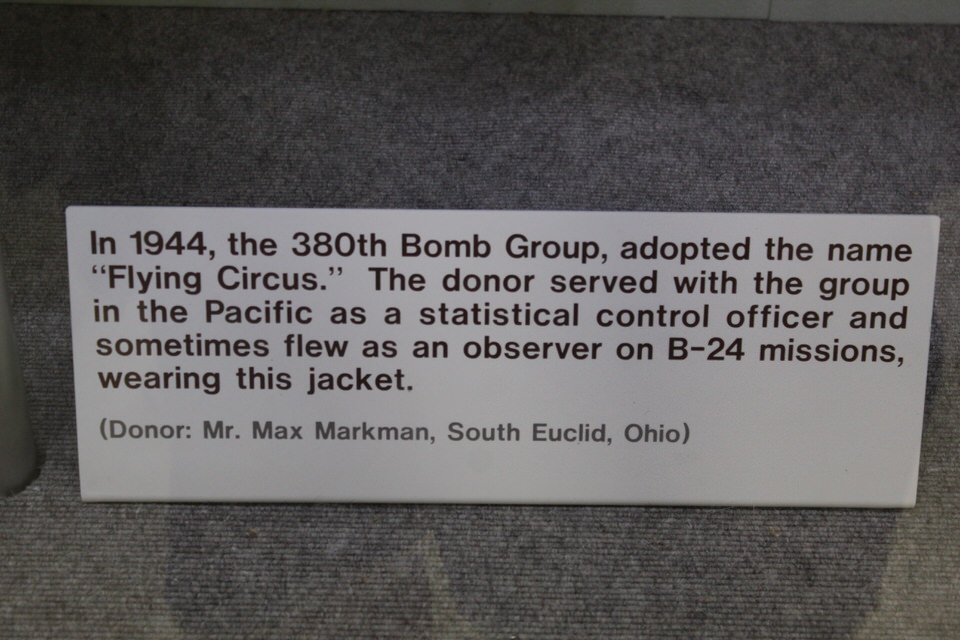
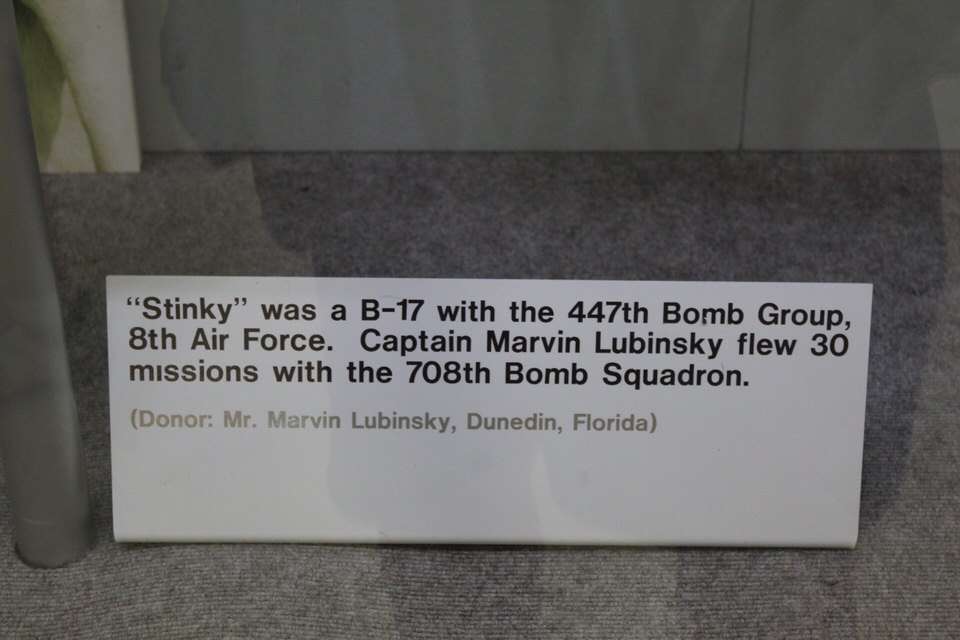
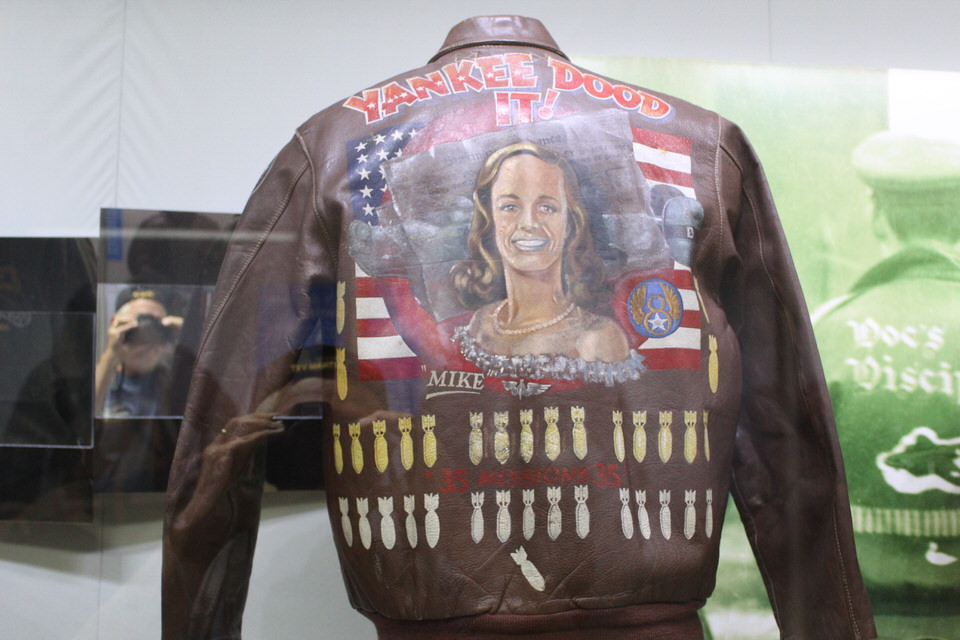
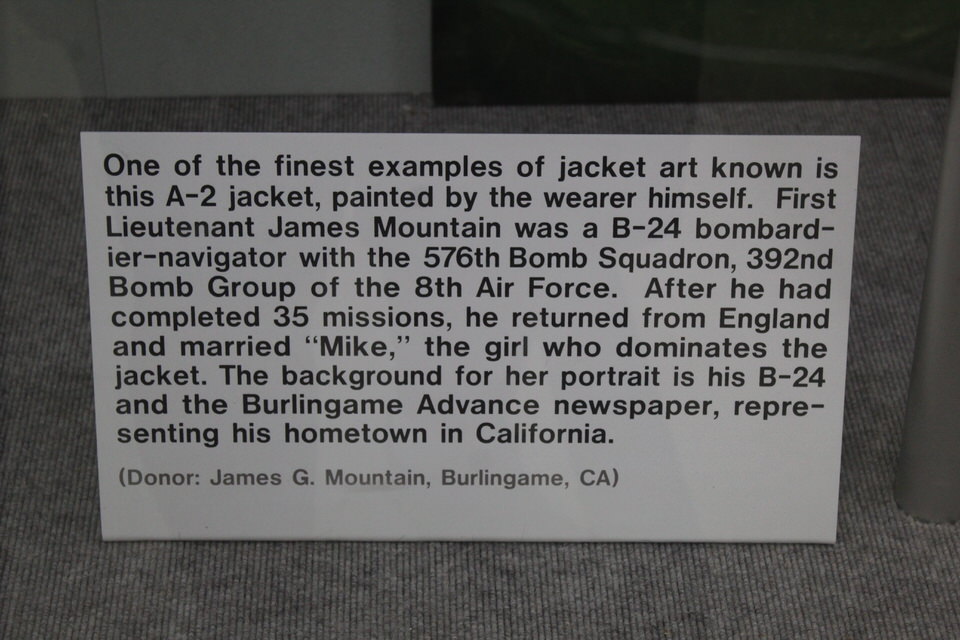
We stopped to view a display of jackets worn by aviators during WW II. Here are a few examples.

There was so much more that we were able to see. More will be included in a future blog. Till then take care and God bless.

Yup, another new T-Shirt!

Thanks again for spending some time with us.  It’s always great to be able to share our story with family and friends. Comments? Feel free to share them with me. And always remember, cherish every moment of every day that God gives you and live those moments to the fullest. 

Our continuing mission remains the same: to explore as many new states as possible, to seek out new acquaintances and make new friends, to boldly go where we have not been before.

TOUR AMERICA 2022, TOMORROW STAR’S RV RESORT, SOUTH CHARLESTOWN, OHIO

Sunday, August 28, 2022

Temperature 81 Degrees, Sunshine and Patchy Clouds

Age of Steam Roundhouse Museum

This was the last museum on our list of places to visit before we left Scenic Hills RV Park. I discovered it while doing an internet search of attractions in the vicinity of the park. It is the

This museum is the fulfilment of the dream of one man. Jerry Jacobson fell in love with the railroad and steam locomotives when he was just a kid. He spent untold hours sitting next to local station and telegraph operators listening to Baltimore and Ohio steam locomotives go barreling by. Later as an adult he purchased 90 miles of ex-Wheeling and Lake Eerie Track which he called the Central Ohio Railroad. In time through various acquisitions he assembled what became the 10 railroad, 550 mile Ohio Central Railroad System. In 2008 he sold the entire operation to yet another railroad for a reported 234 million dollars.

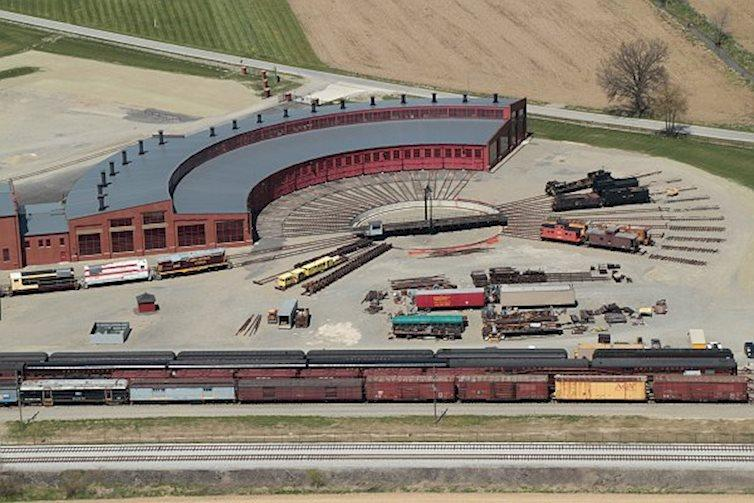
But now he had a problem on his hands. What to do with the various steam locomotives, other railroad cars, and assorted tools he had been collecting over the years. His answer was to purchase 34 acres of land in Sugarcreek, Ohio adjacent to an existing Ohio Central mainline railroad track. On this land he built

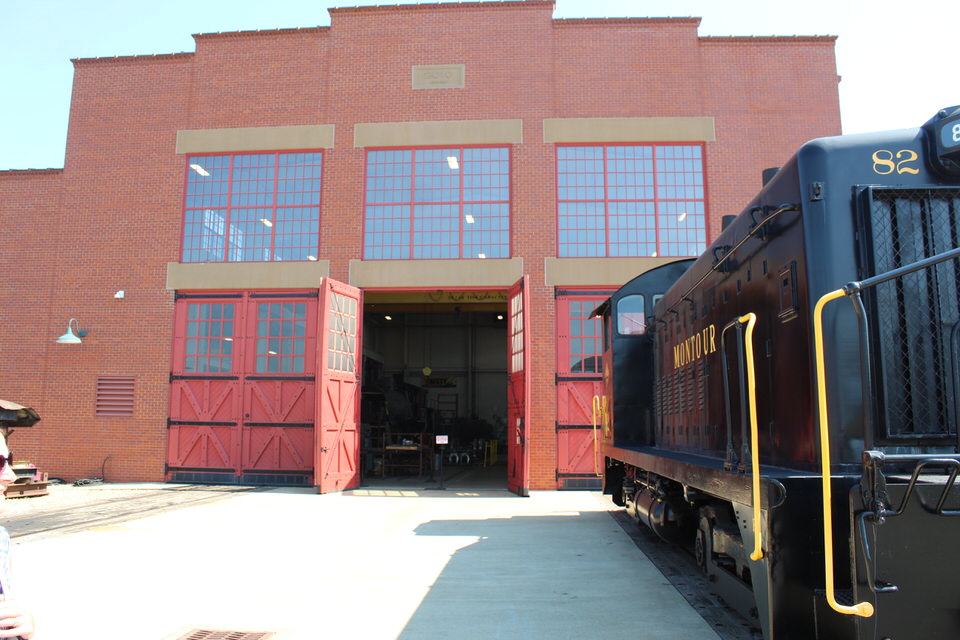
2 miles of storage tracks, and an 18 stall brick roundhouse

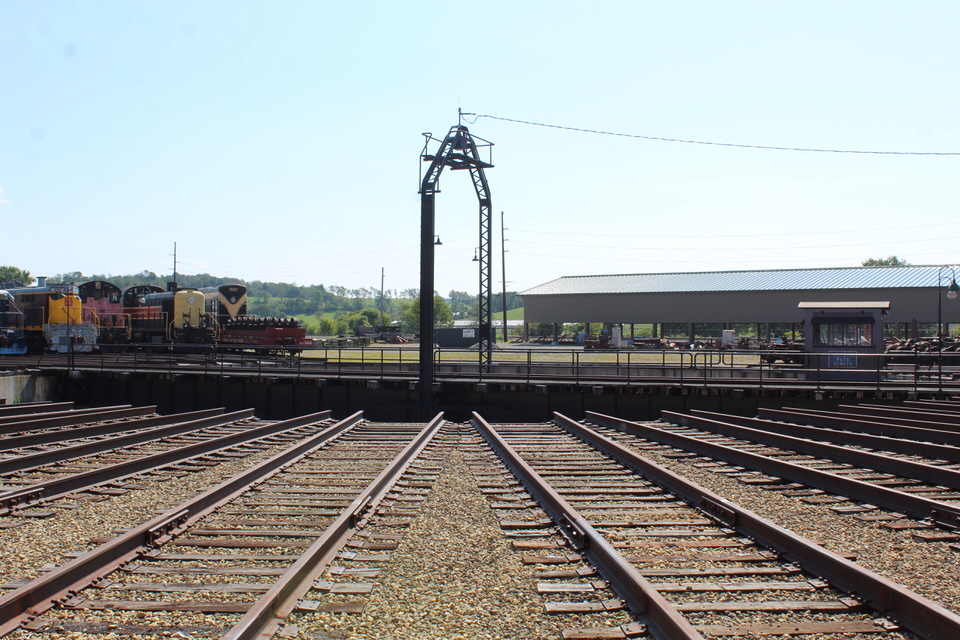
that surrounds a 115 ft turntable which is constantly used as equipment is moved around the yard.

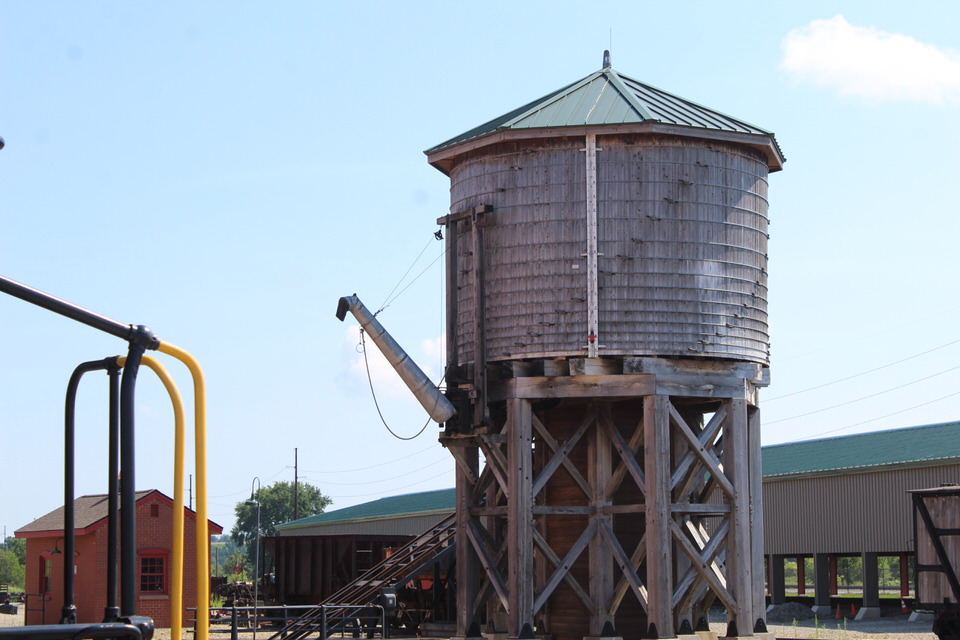
There is a working wooden water tank which local craftsman made in the style of the 1930’s to 1950’s

and a depot also in the style of the same era that houses a small museum and a gift shop.

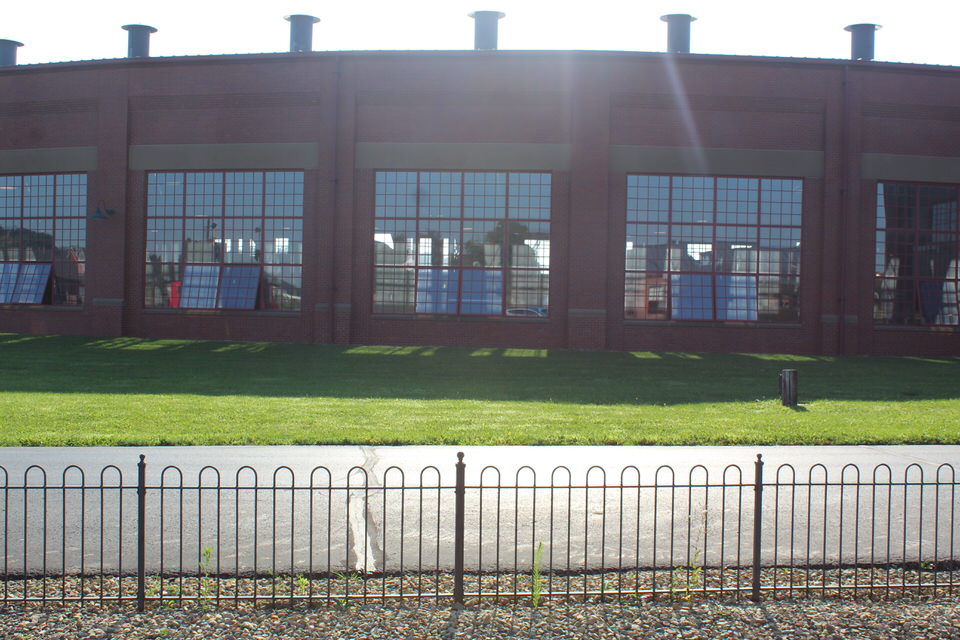
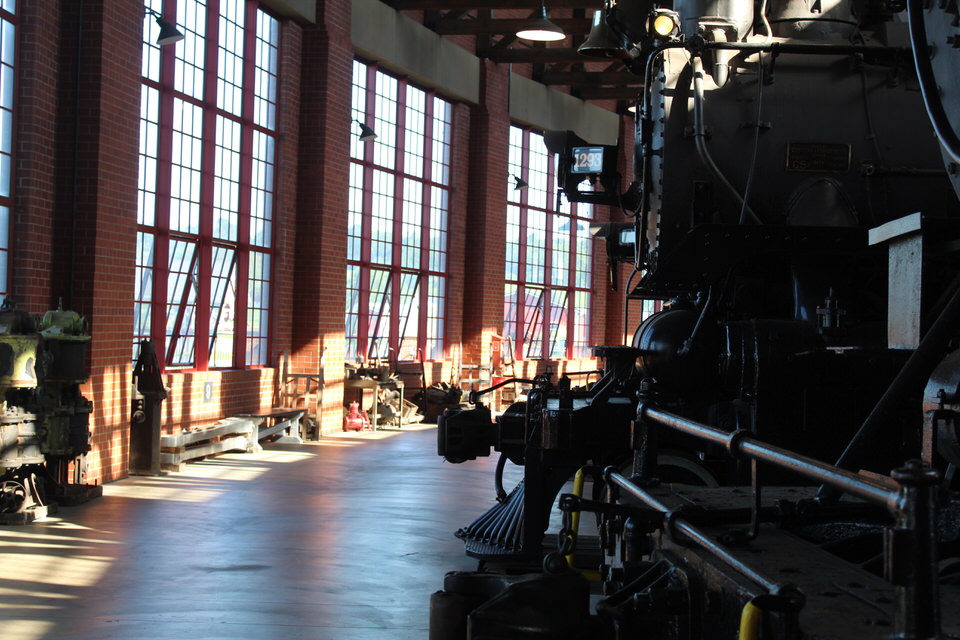
As for the roundhouse, it was was constructed in 2011. It is huge, 48,000 square feet with solid masonry walls and heavy timber framing. It is one of the largest heavy timber structures in America. All materials used in its construction came from local sources. It was the first large roundhouse built in the United States since 1951. It too was built to reflect the style of roundhouses in the 1930’s to 1950’s era.

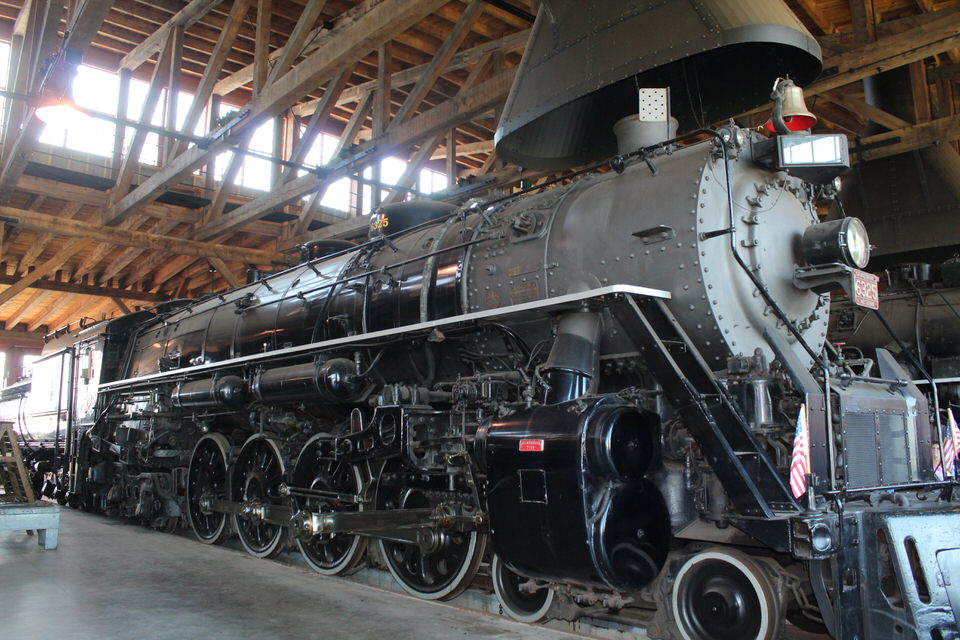
The roundhouse is a working one with a fully functional back shop where specialist’s and volunteers work to repair and restore historic steamers, such as the one above.

The steamer above that is currently being restored is the #19 engine from the Oregon, Pacific and Eastern Railway. It’s the same train that was used in the 1973 movie Emperor of the North, with Ernest Borgnine as a brutal conductor seeking to take out Lee Marvin’s train hopping hobo during the Great Depression.

But #19 is just one of 23 steam locomotives in the roundhouse in various states of preservation and restoration.

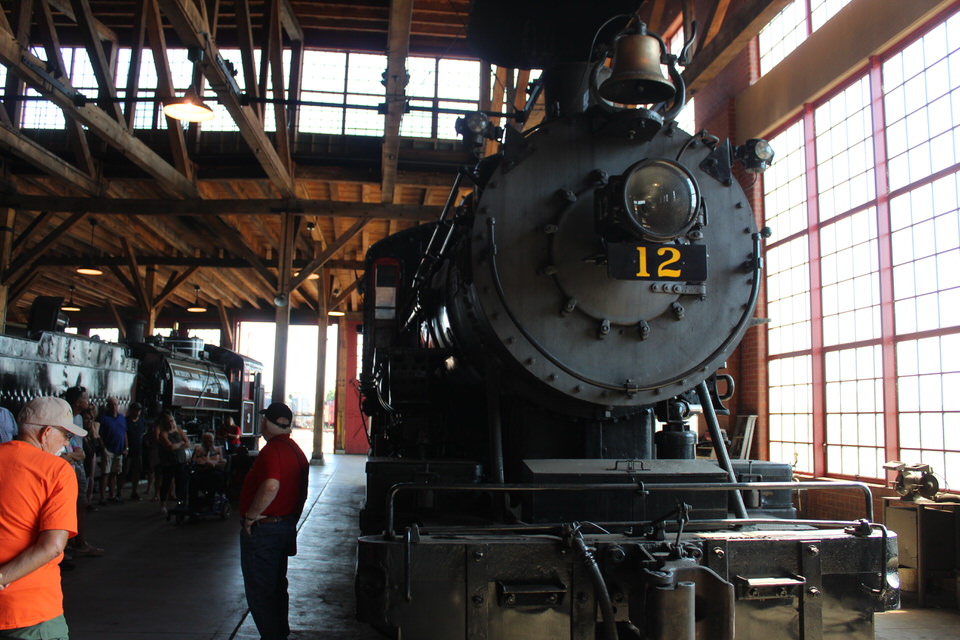
This is #12 which has already been restored to operational status. It was acquired by the museum in 2011 and promptly went into the back shop for inspection and the roundhouse crew developed a restoration plan. Countless parts were repaired or replaced. In 2018 it finally received a fresh coat of black paint and chuffed out of the back shop under its own power. It was the first derelict steam locomotive totally rebuilt for service at the roundhouse.
Some of the locomotives have had just a cosmetic restoration. For instance
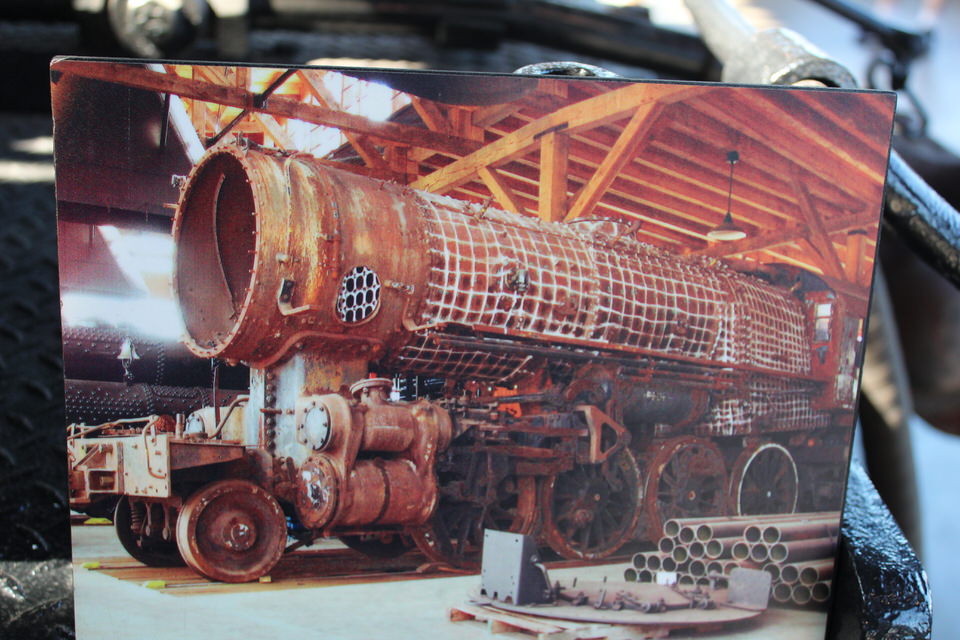
This is #2630 when it was found and purchased by the museum.

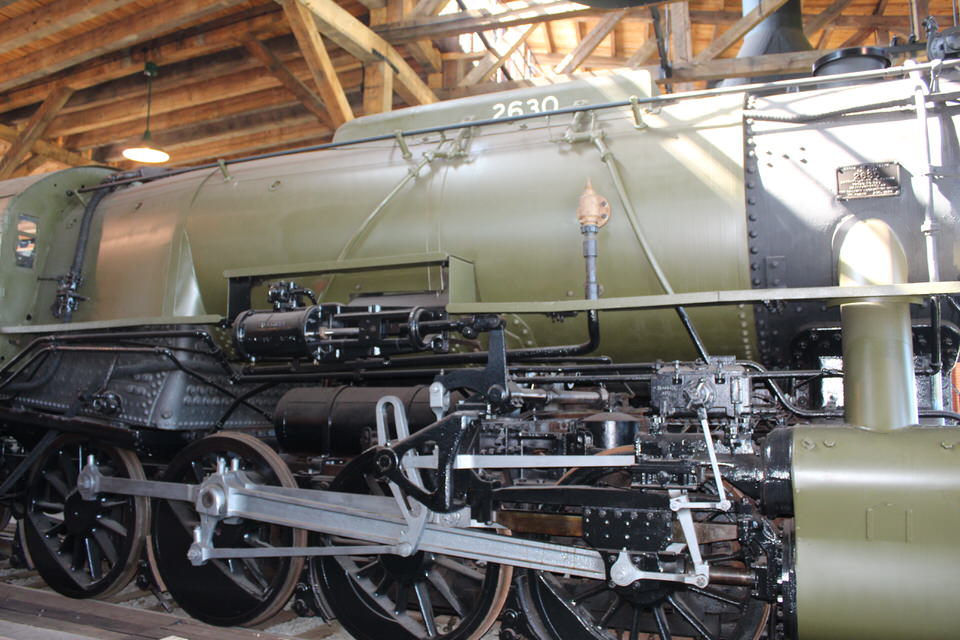
What it looks like today. This is what we learned about this locomotive: Upon America’s entry into World War II, the United States Army Transportation Corps (USATC) commissioned development of a locomotive which could be built quickly and inexpensively in large numbers to be deployed on railways around the world. The result was the S-160 class, a 2-8-0 Consolidation locomotive limited in size and weight to ensure compatibility with Europe’s lighter construction of rail lines.

It was acquired by the museum in 2015 and shipped via several trucks to the museum. In 2018 it received a complete cosmetic restoration to as-built appearance. Because there is so much internal damage to the smoke box and boiler it cannot be resorted to operational status.

Some of the locomotives are rather unique, such as

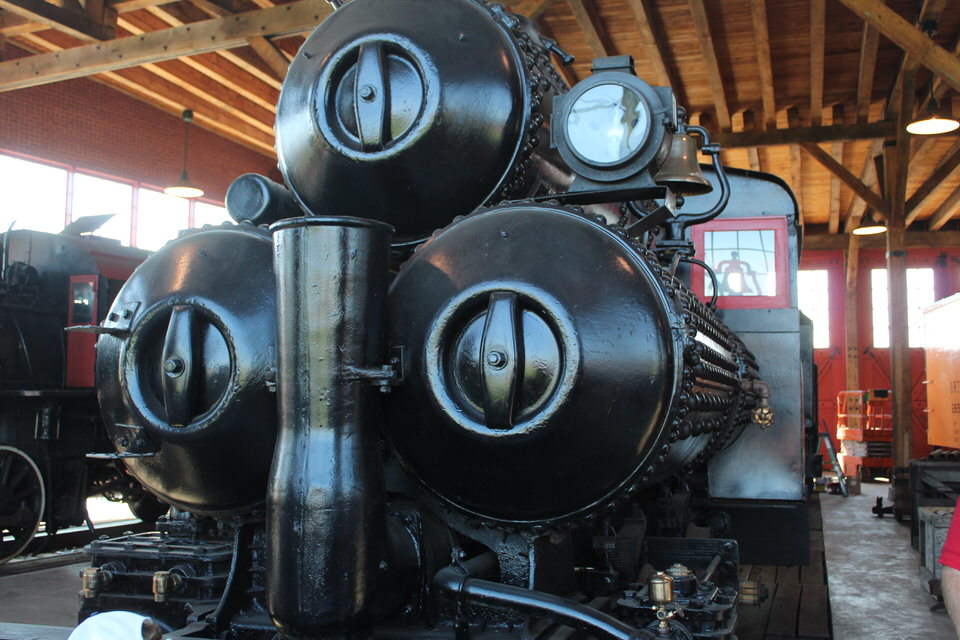
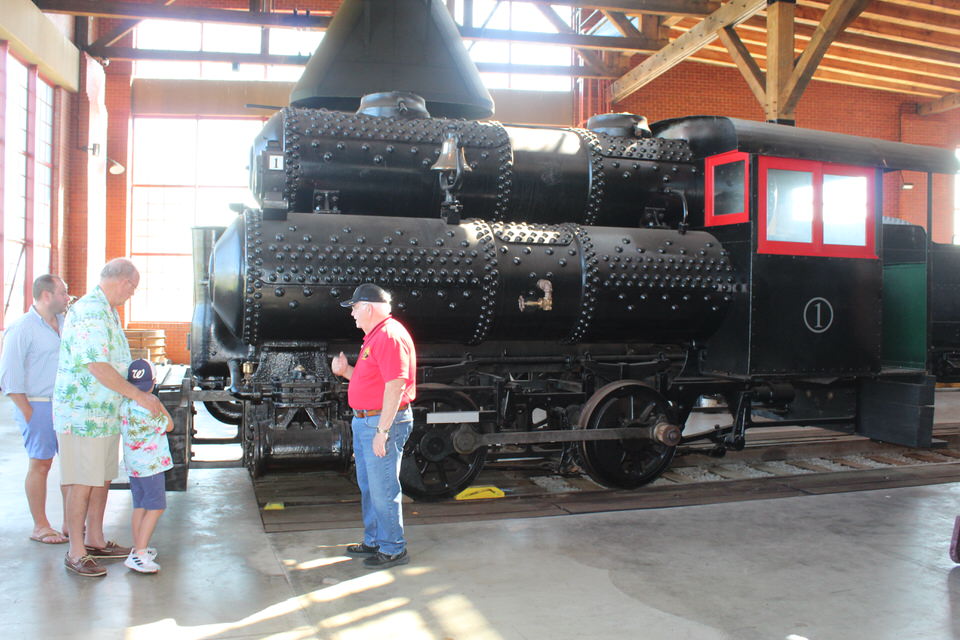
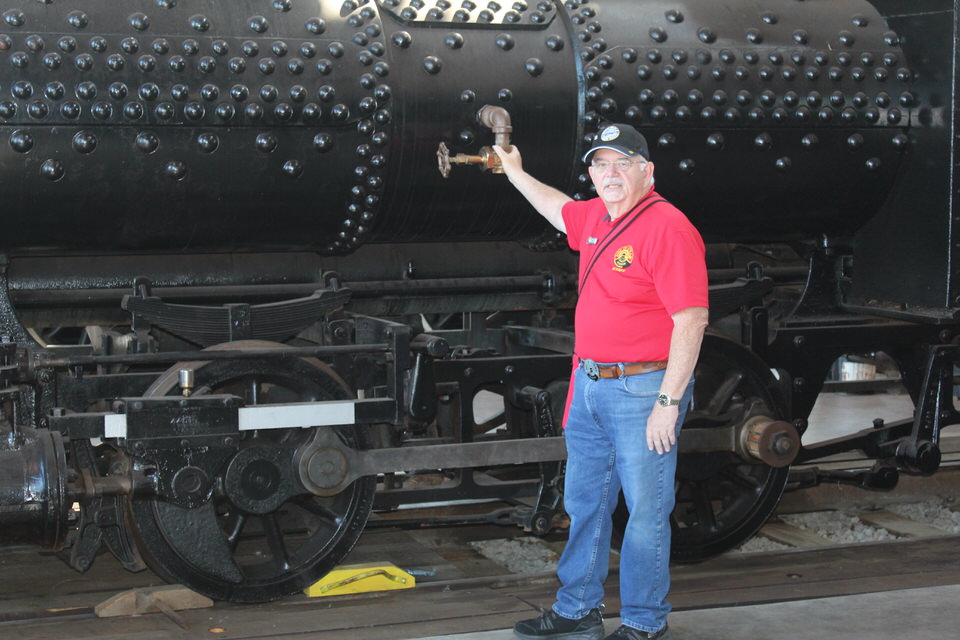
This is a 3 tank compressed air locomotive. The three tanks stored compressed air and were filled from a three inch line alongside the track that would connect to the valve in the photo above. This allowed locomotive use inside enclosed areas without the fumes, heat and sparks associated with burning coal. The parent company, H.K. Porter, built more than 400 compressed air locomotives for use in mines, factories, textile mills, refineries, munitions plants, food handlers, sugar cane plantations and even the street railways of New Orleans.

This is believed to be the  the only standard-gauge compressed air locomotive surviving in the U.S., if not the world, and is one of the most unique engines in the museum collection.

Unfortunately, the museum does not have an air compressor that generates enough pressure to sufficiently charge the tanks so currently it is not operational.

One more and it is sort of famous

Constructed in 1942 this locomotive hauled both war time freight and passengers between Detroit and Chicago. In September 1948 this locomotive was chosen to pull President Truman’s re-election campaign special. This assignment would lead to No.6325’s eventual preservation; in 1959 it was put on outdoor display in Battle Creek, Michigan.

In Battle Creek a group of local railroad enthusiasts started a project to restore the locomotive to operational status. But enthusiasm and funds both quickly dried up and by 1992 the locomotive faced being sent to the scrape yard.

Jerry purchased the engine while he still owned his own railroad and after three years of reconstruction it finally steamed again under its own power on July 31, 2001. For years it pulled numerous special excursion trains until it was again sidelined in 2005 with drive axle bearing issues. It now resides at the museum and has not run since.

There are many more locomotives on display each with their own unique story. But it’s not just locomotives being preserved and stored in the roundhouse.

There is all kinds of equipment that is stored there, most of it in working order.

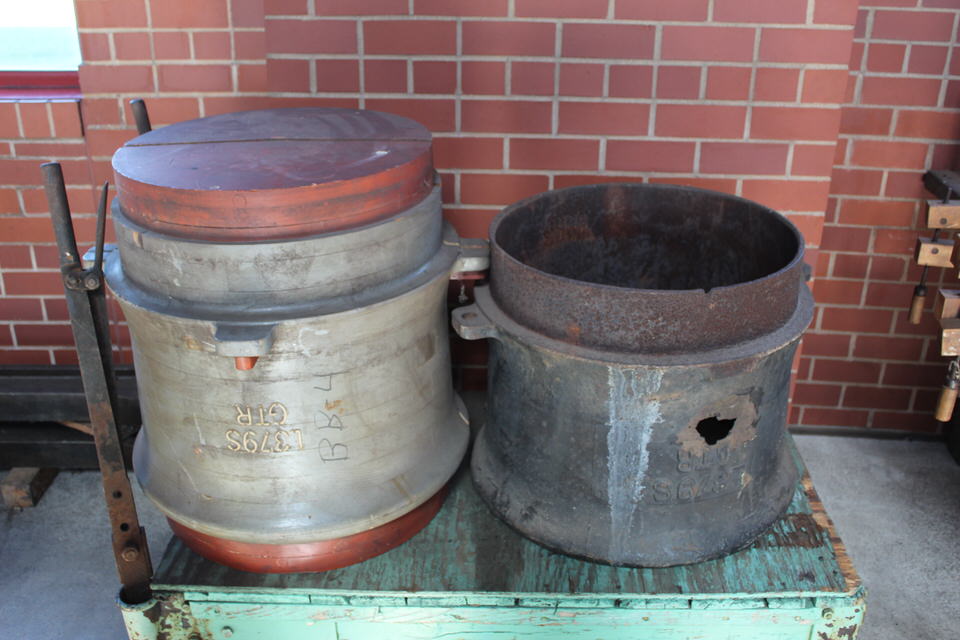
And everywhere you look you’ll find parts and pieces waiting to be installed on various locomotives due to be restored. What happens if they can’t find a particular piece they need?

They make it. The smokestack on the right had a hole in it, so on the left you can see the mold for the casting for a new smokestack.

In the small museum in the depot there is also a wall with a number of builder’s plates on display. These are heavy, cast metal signs that displayed important information about each stem locomotive built such as the builder’s name, a serial number and date of construction that was affixed to each locomotive for a permanent identification of that particular engine. Some of these plates are worth over $13,000!

All in all, it was definitely worth leaving late the day of our departure so that we could tour the museum. We both learned a lot about what the railroad was like in the glory days of steam. If you ever happen to be in the vicinity of Sugarcreek, Ohio I would highly recommend taking a tour of this fascinating museum.

Yup, I came home with a new T-shirt

Thanks again for spending some time with us.  It’s always great to be able to share our story with family and friends. Comments? Feel free to share them with me. And always remember, cherish every moment of every day that God gives you and live those moments to the fullest. 

Our continuing mission remains the same: to explore as many new states as possible, to seek out new acquaintances and make new friends, to boldly go where we have not been before.