Temperature 71 Degrees, Abundant Sunshine and Clear Blue Skies
Auburn-Cord-Duesenberg Museum
After we spent several days at Sauder Village the question was What Now? We were here for two weeks and we are seldom content to just sit around and vegetate. Well, we indeed found some really great places to visit. Following is a snapshot of the first of three places we visited.
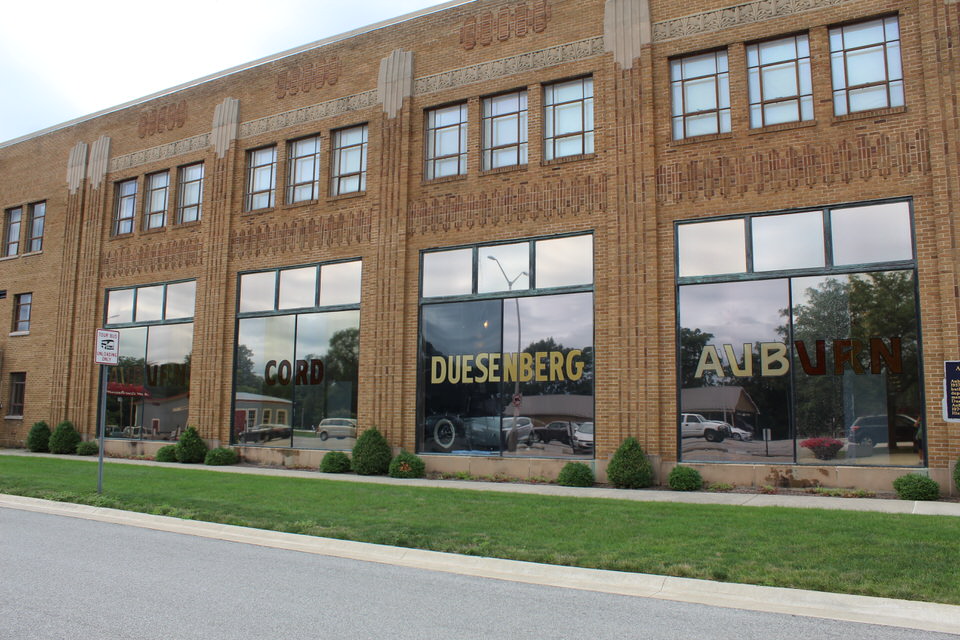
On Tuesday past we travelled to Auburn, Indiana to visit the
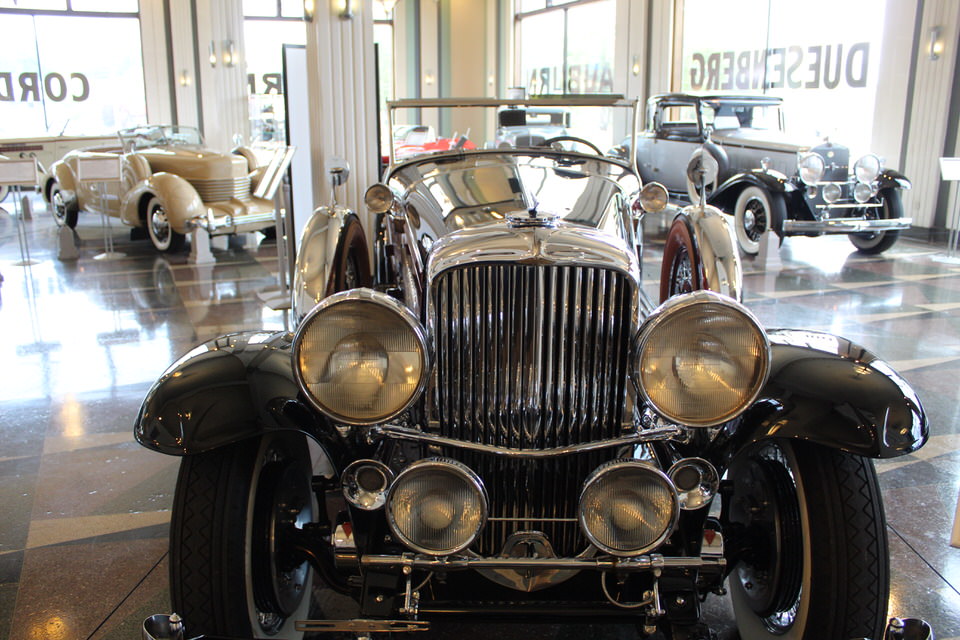
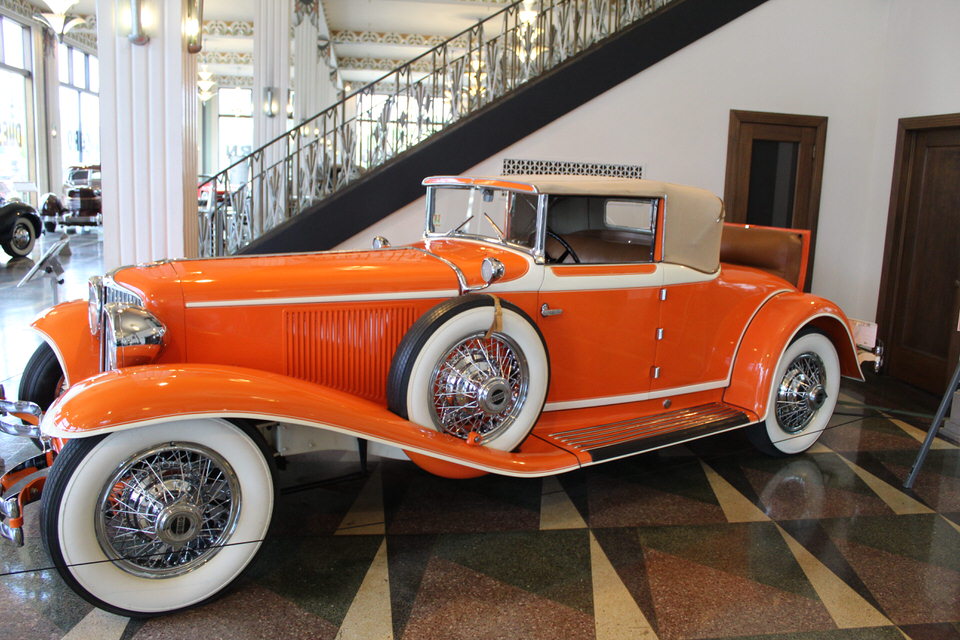
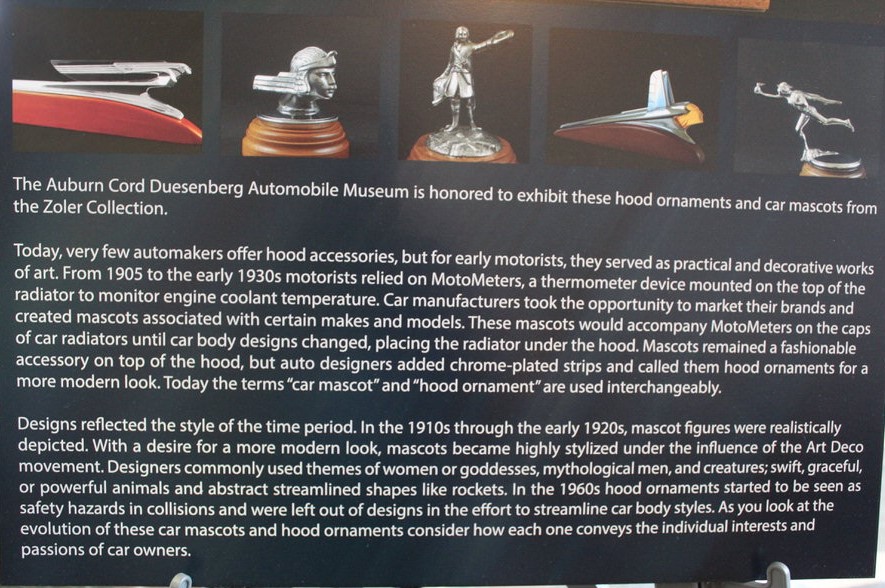
The museum building was constructed for the Auburn Automobile Company in 1929. It is considered one of the finest examples of Art Deco architecture in the Midwest. Look and marvel at the showroom’s terrazzo floor, lit by Art Deco chandeliers and wall sconces. During the Auburn’s heyday, this showroom was filled with the latest Auburns, Cords and Duesenbergs.
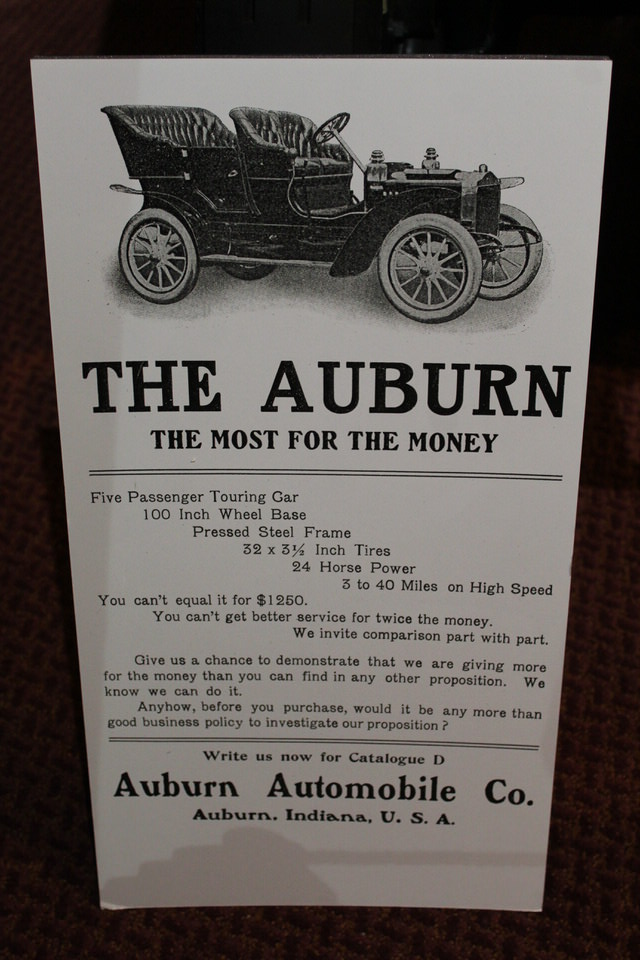
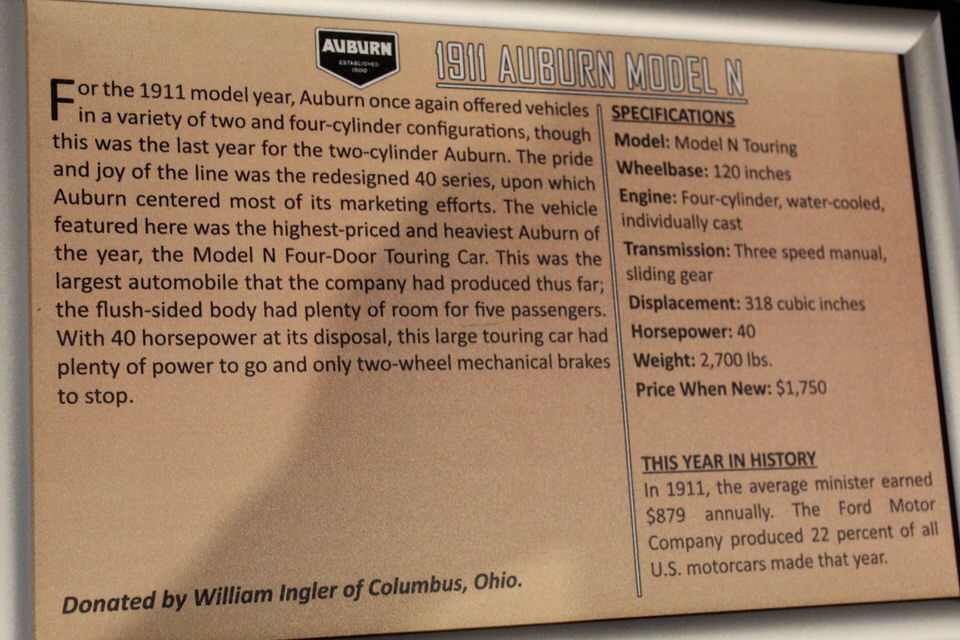
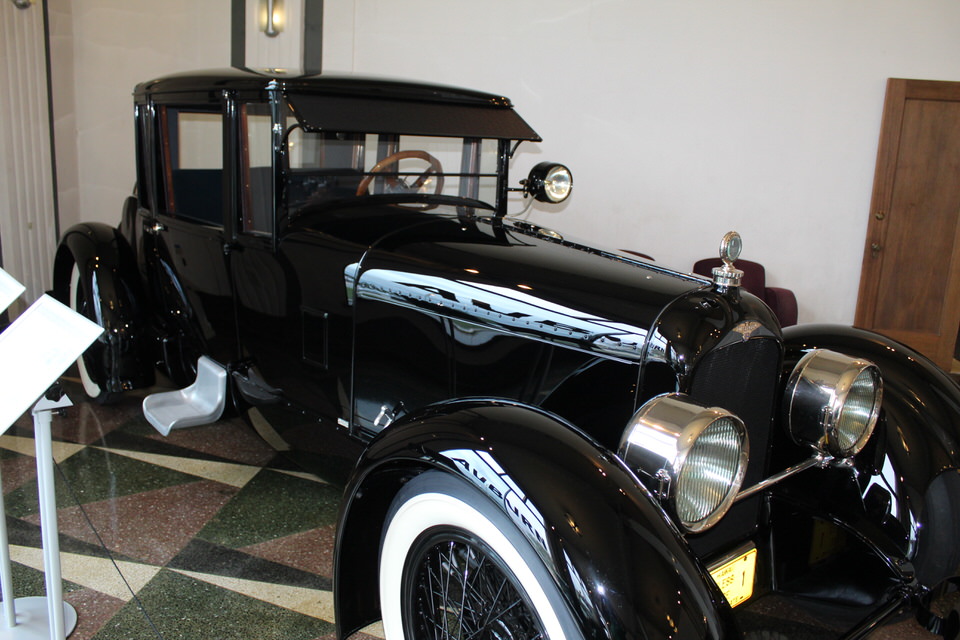
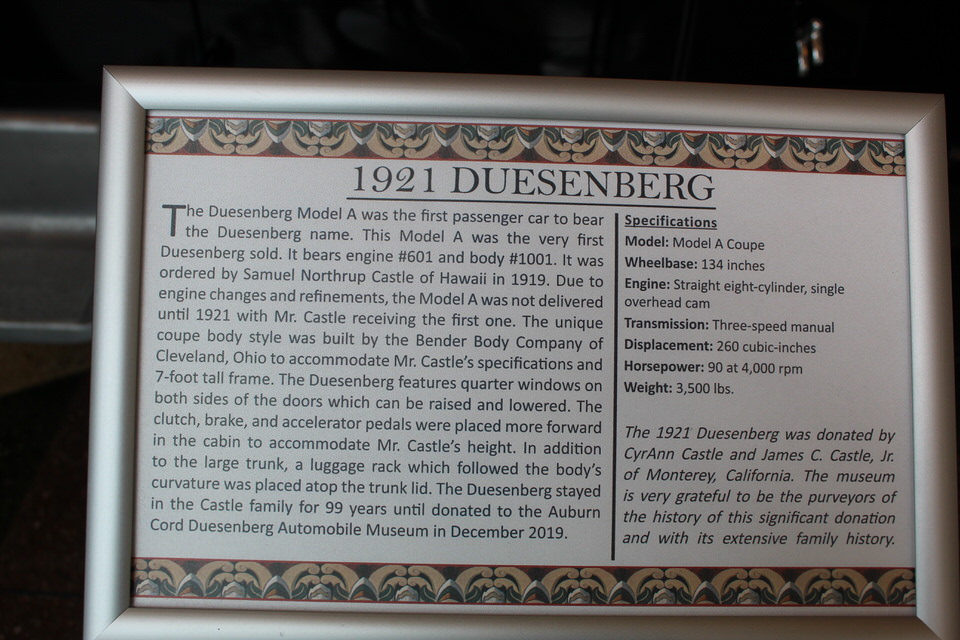
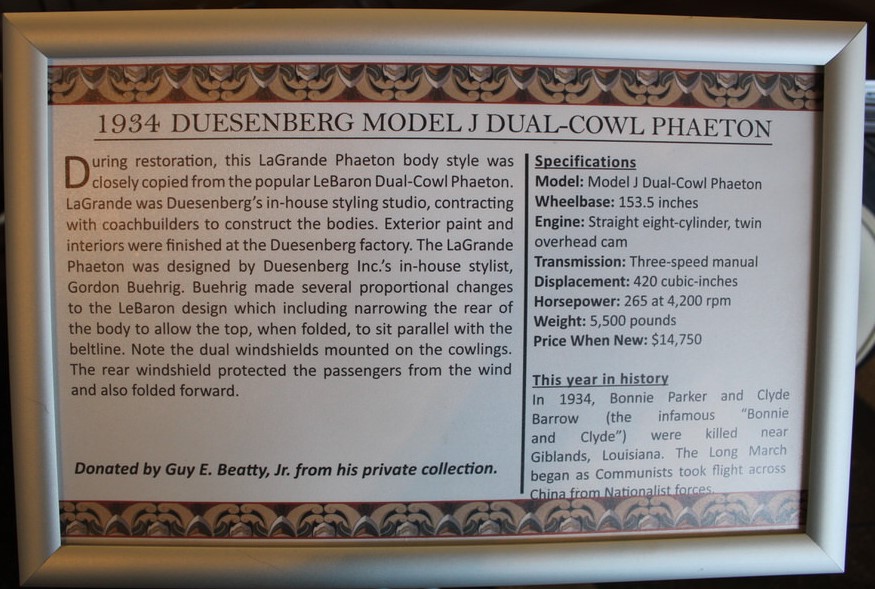
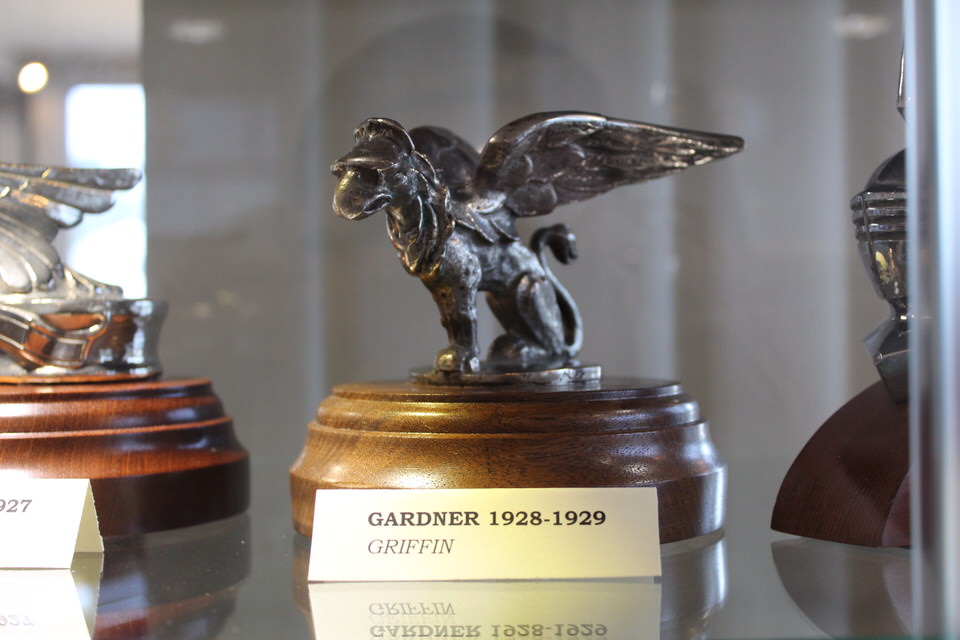
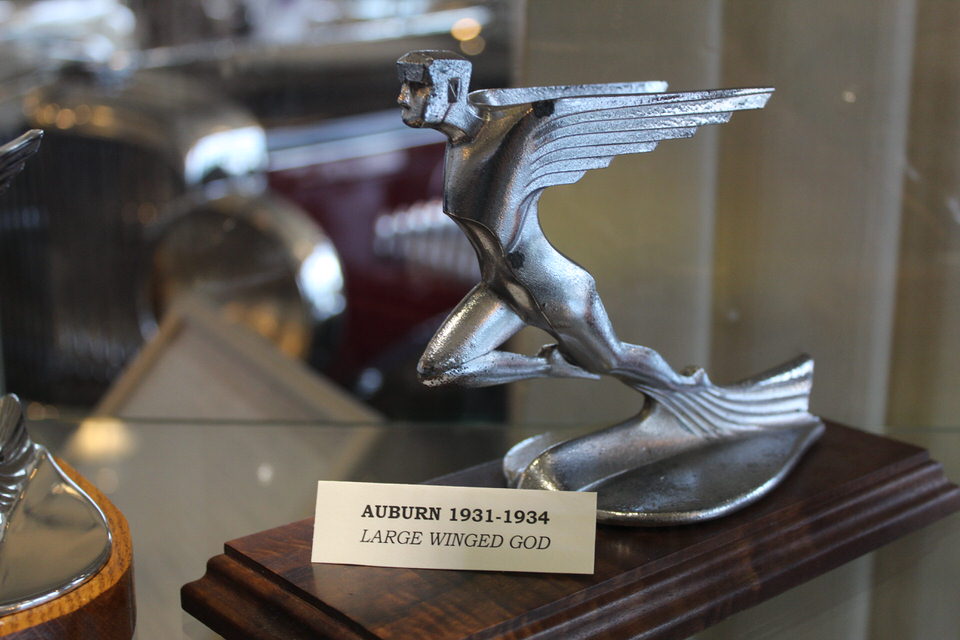
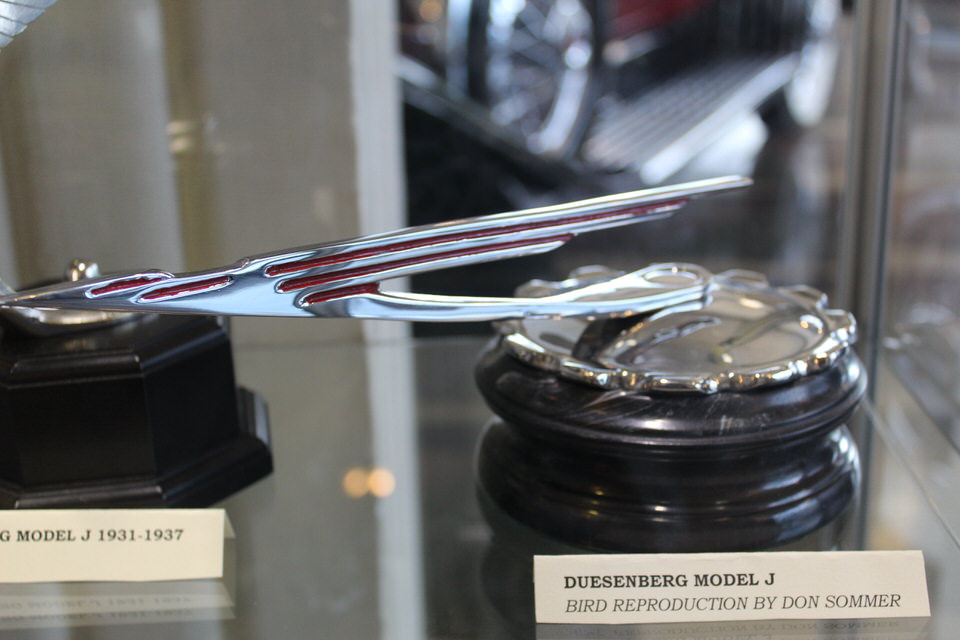
A sample of some of the cars in the current collection.
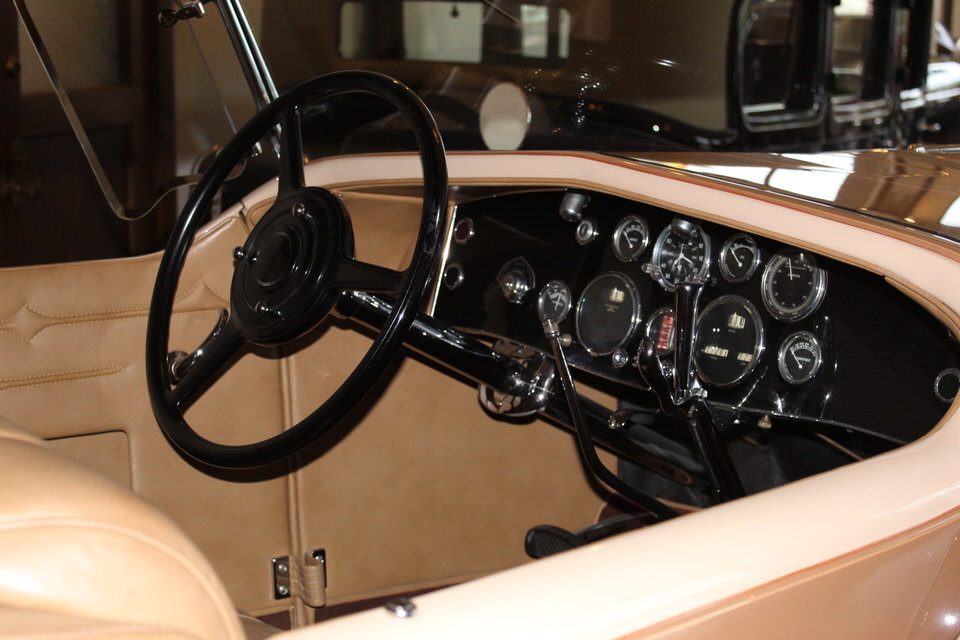
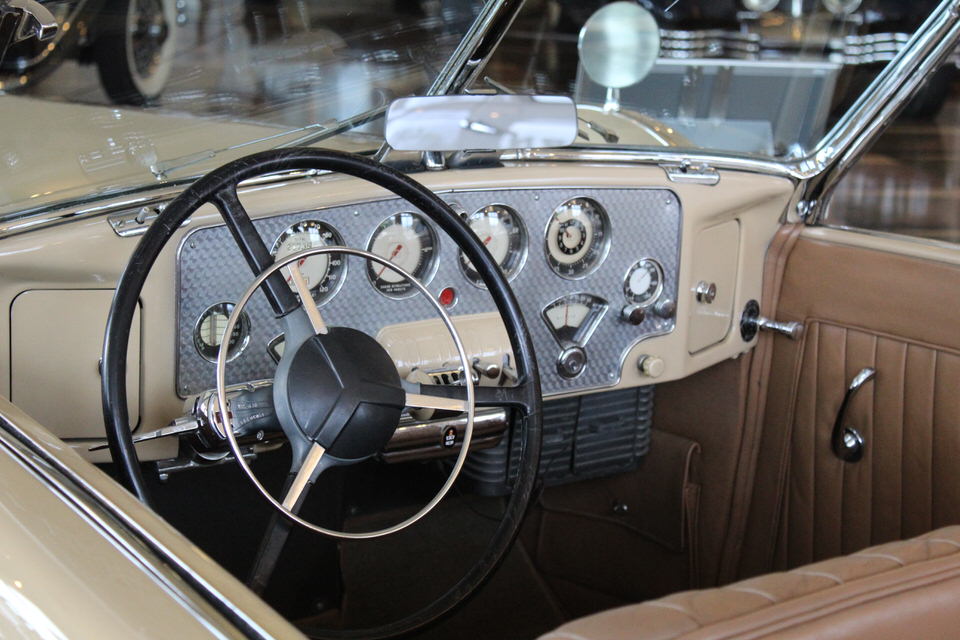
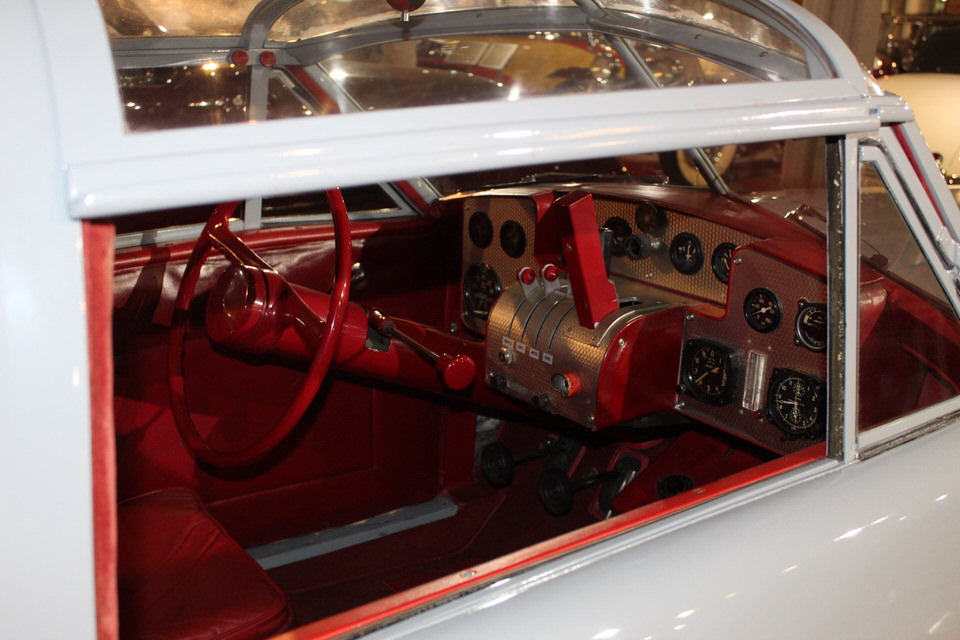
What a real dash used to look like. No idiot lights here. Just plain, functioning gauges that gave accurate feedback on the functioning of your engine.
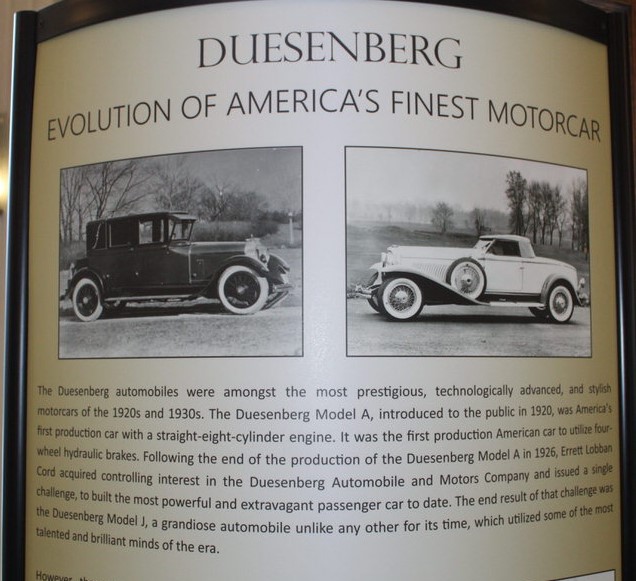
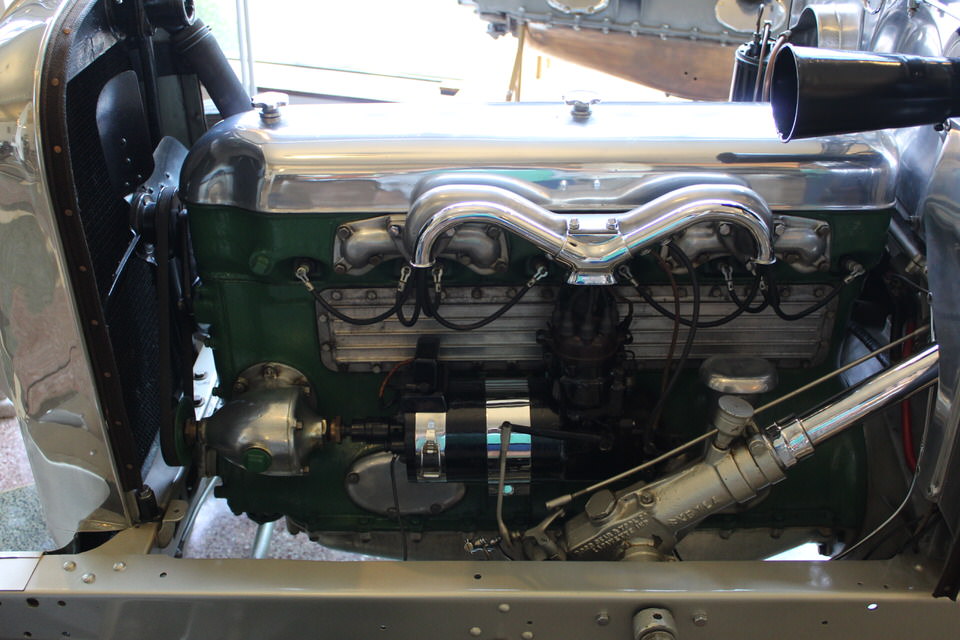
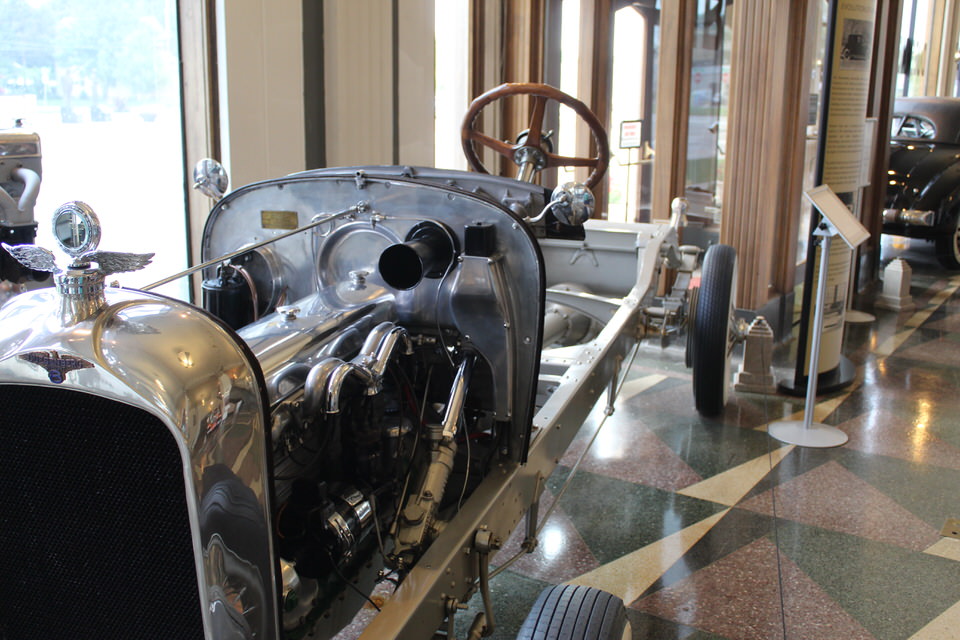
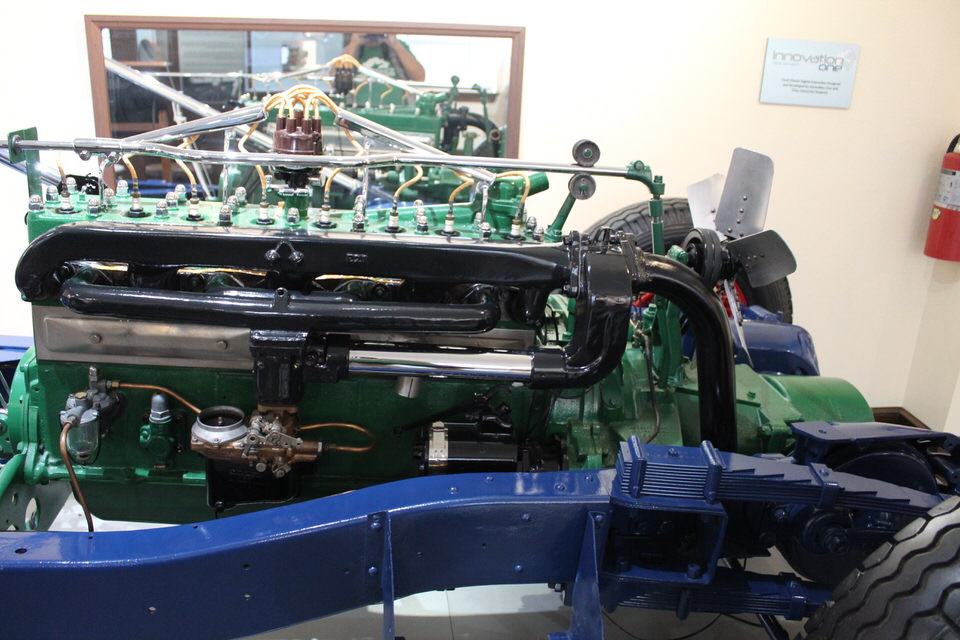
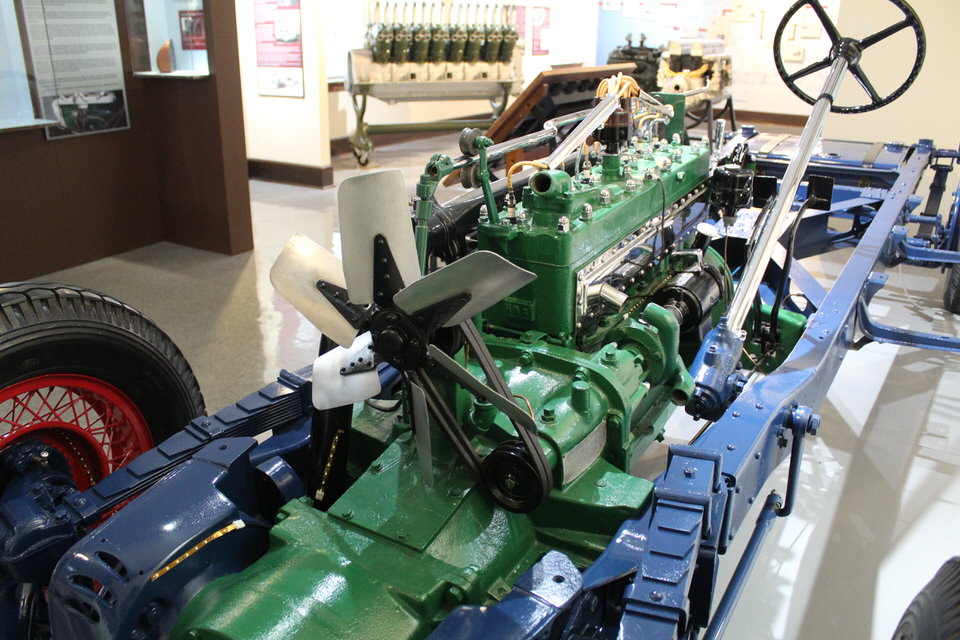
Now, the most interesting thing about the Duesenberg is that you never bought a complete car. Instead you bought just the
chassis, engine and running gear and then had to have the body fitted by a coachbuilding firm.
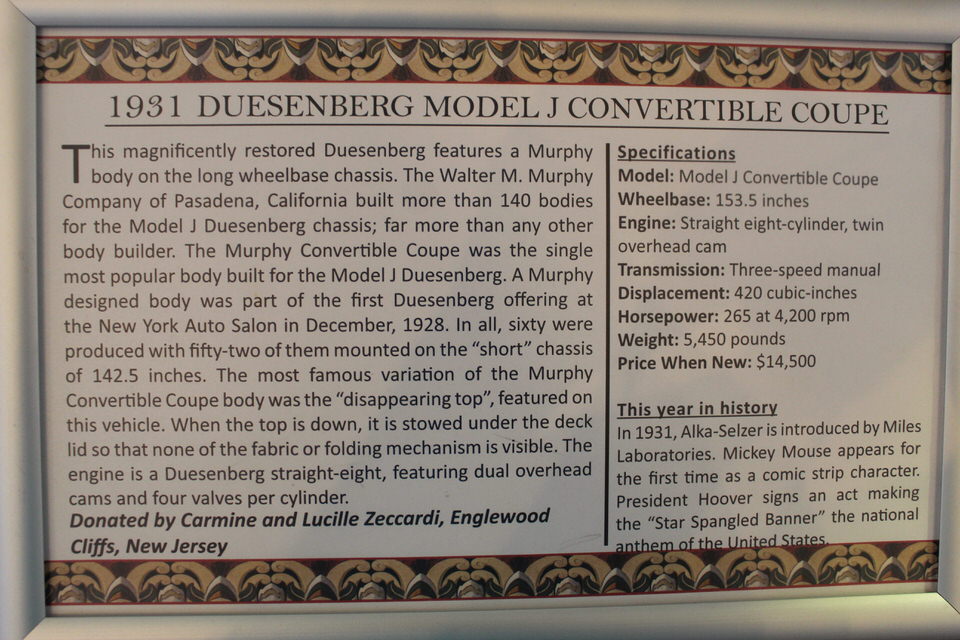
For instance,
Murphy Company produced far more bodies for the Duesenberg than any other company.
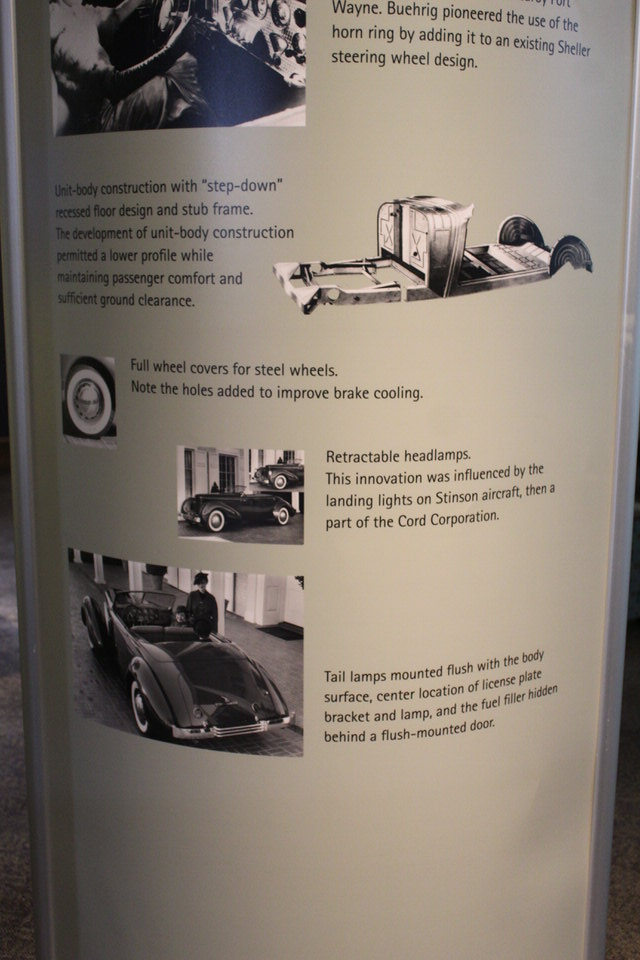
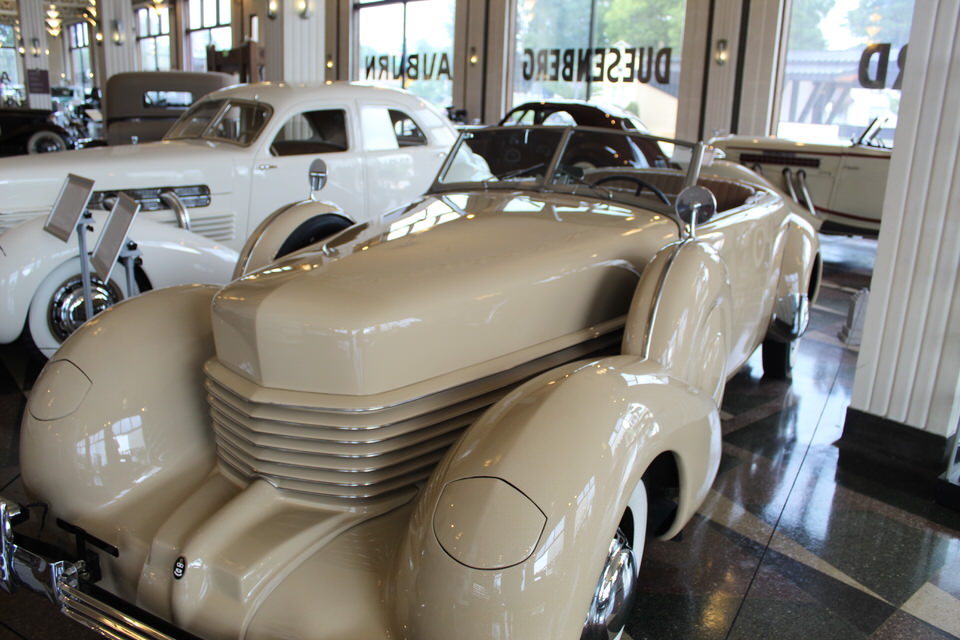
The most radical and forward thinking of the three was the Cord.
The concept was simple enough. They simply turned things around so that
the transmission was in front and the engine was behind it.
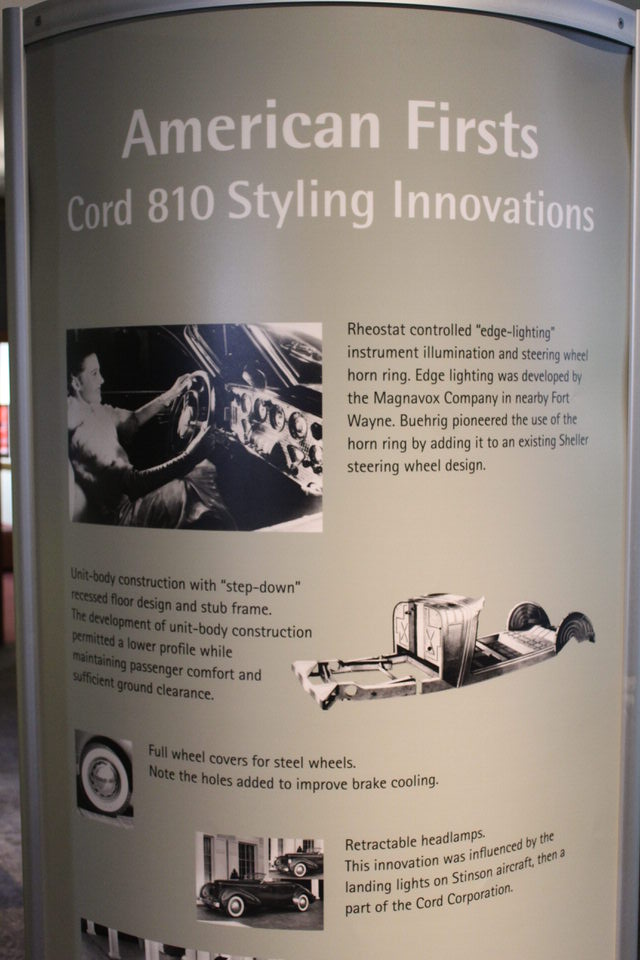
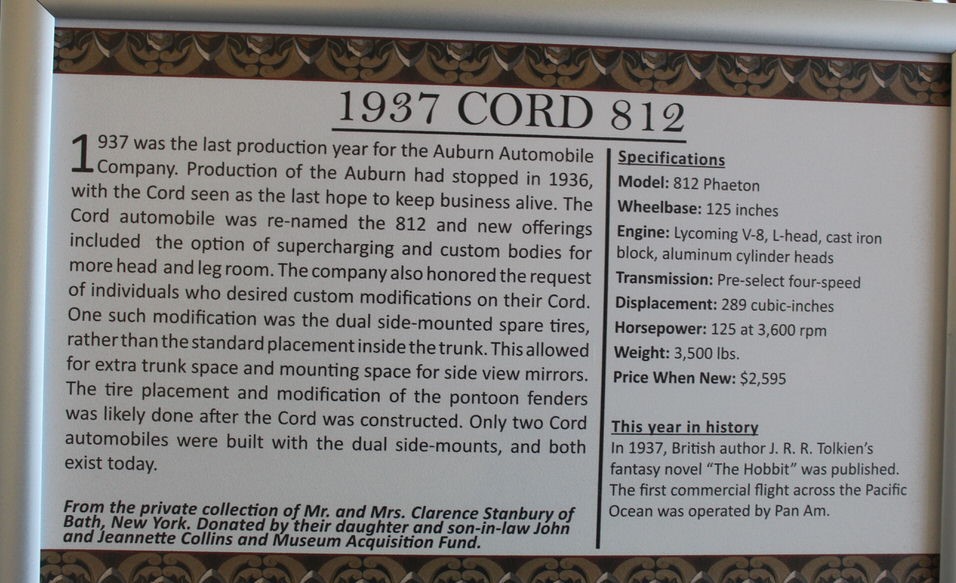
We move ahead now a few years to the 810 and 812 models.
Unfortunately none of these great automobiles are still in production. The Great Depression, quality issues, sagging sales, and many other factors worked against them and in time all were forced to cease production.
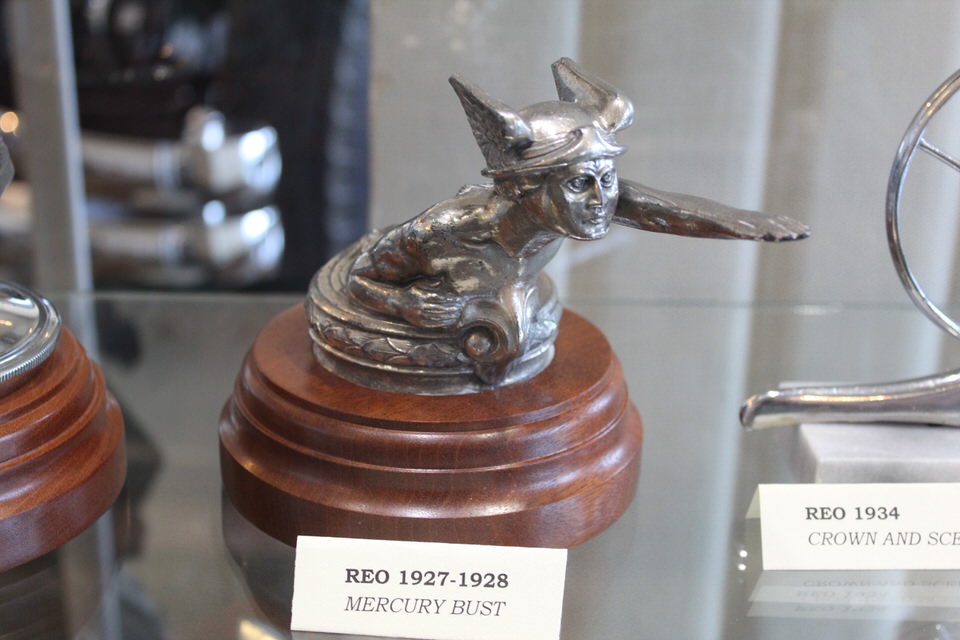
Just 4 of the dozens that were on display.
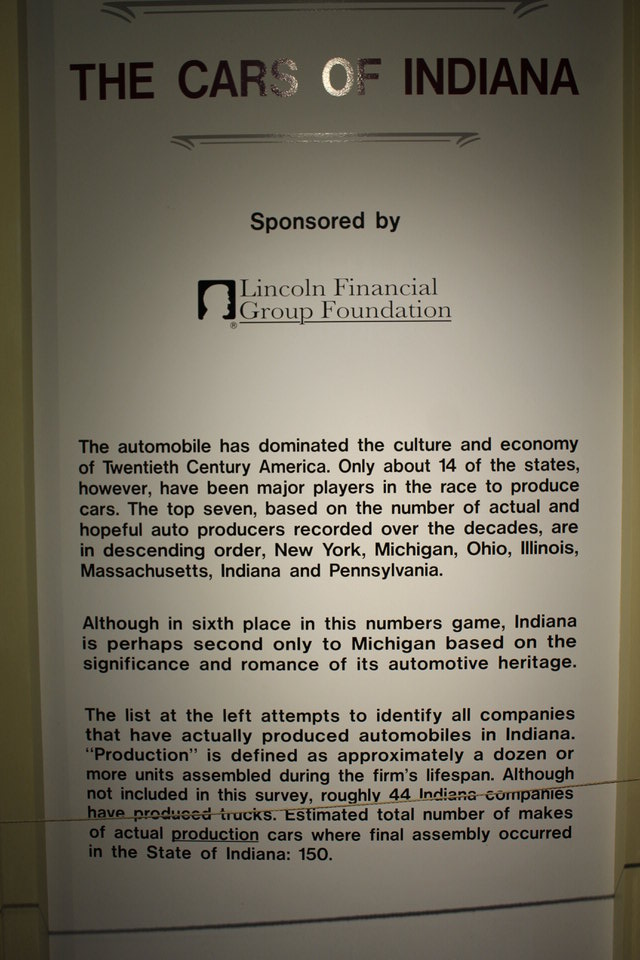
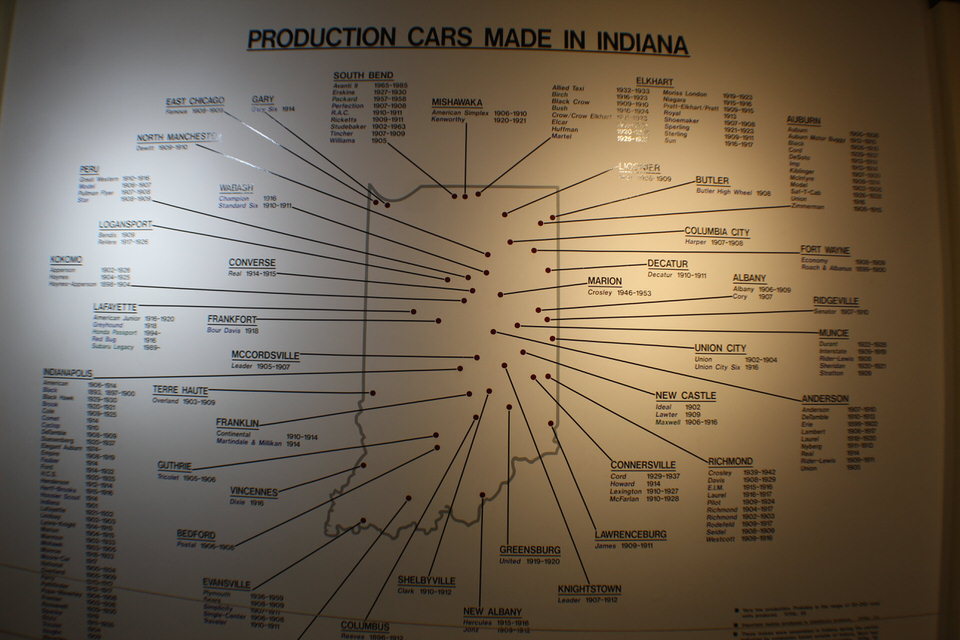
There was an entire exhibit devoted to the Cars of Indiana.
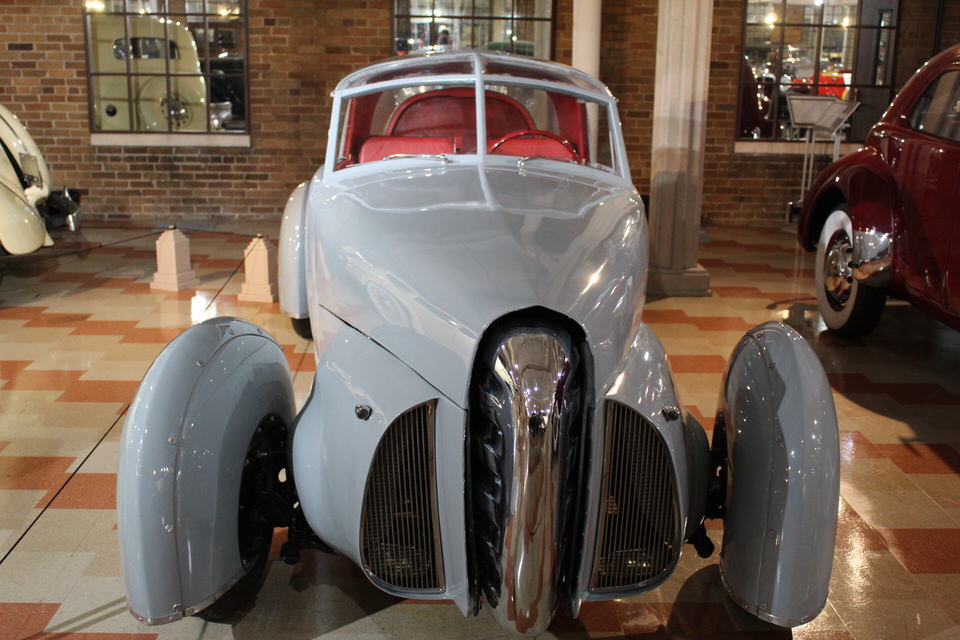
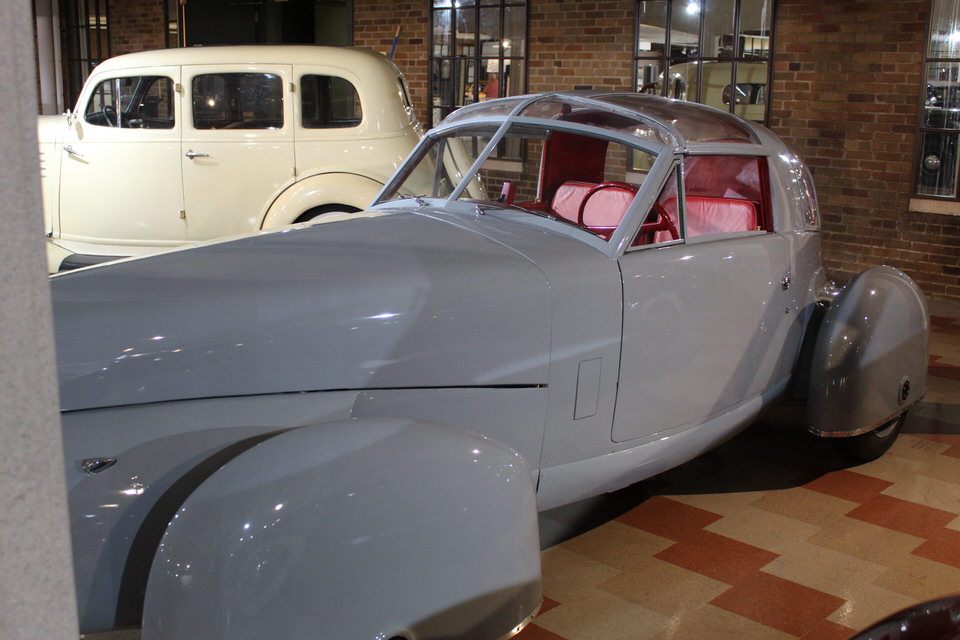
Finally, I’ll close with this. In one exhibit hall there were numerous examples of what I would call one off automobiles that never made it to production. This one was very intriguing.
I promised a snapshot and that is what this has been.
There are other exhibits too numerous to list and expand upon. In fact by now I’m sure some of you like my wife have glazed over eyes! I’m so blessed that she puts up with my interest in all things automobile but to her a car is a car is a car. And let me tell you we have been to three huge automobile museums in the last month. This is just one of them. More to come.
I’ll say this if you like me are into history and in particular the history of the automobile then this is must see museum. It has an excellent layout, all exhibits are well documented, and there are guides available to answer all of your questions. I’m grateful that I’ve been here and can now cross it off my bucket list of places to see.
Thanks again for spending some time with us. It’s always great to be able to share our story with family and friends. Comments? Feel free to share them with me. And always remember, cherish every moment of every day that God gives you and live those moments to the fullest.
Our continuing mission remains the same: to explore as many new states as possible, to seek out new acquaintances and make new friends, to boldly go where we have not been before.
Temperature 78 Degrees, Abundant Sunshine, Clear Blue Skies
The Town of Archbold
We have one more week here and we’re making the best use of our time. Yesterday, we drove to Auburn Indiana to visit two fascinating automobile museums. More about both of them in future blogs,. Tomorrow, we driving to Toledo, Ohio to visit another museum that we discovered that looks interesting.
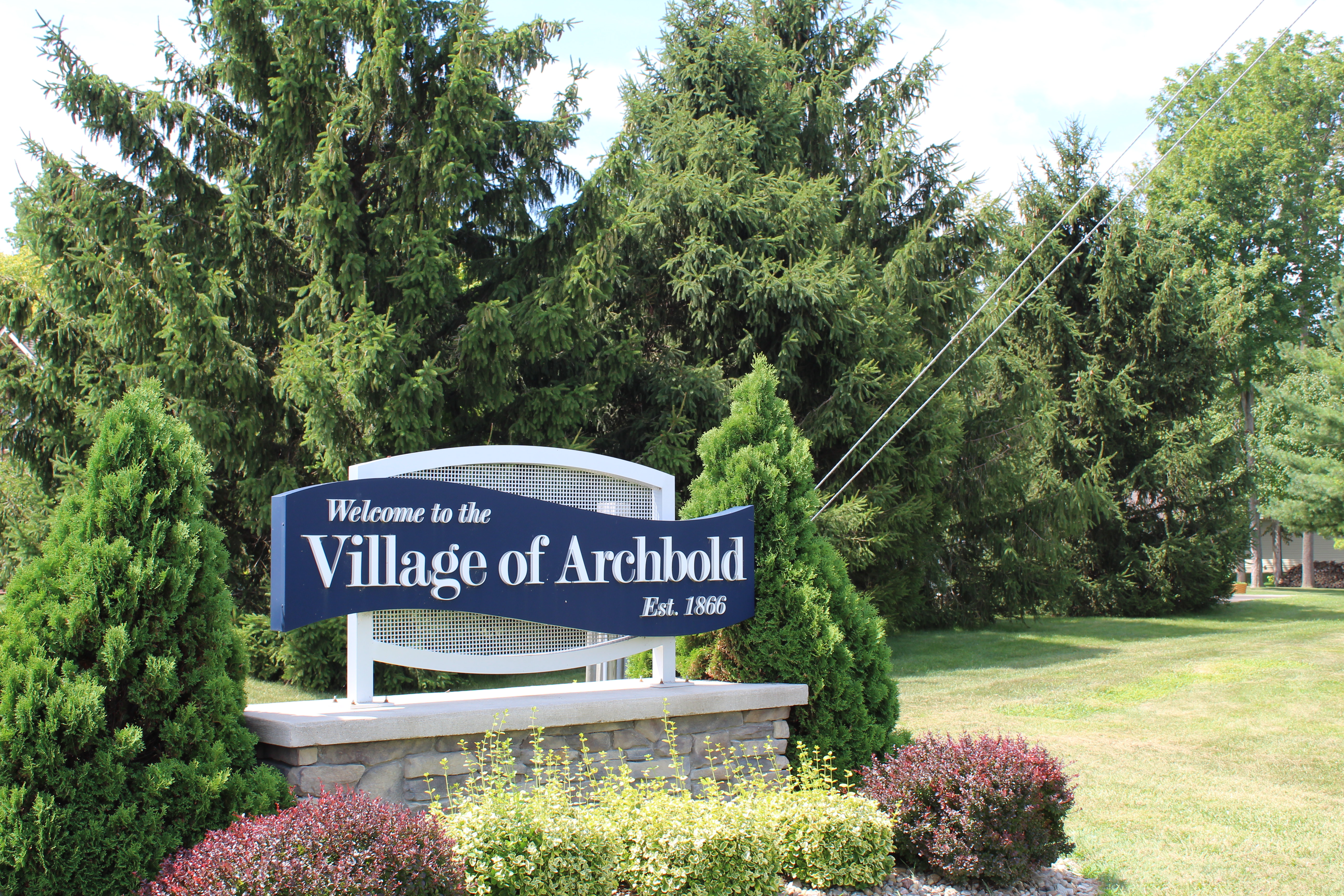
Today, though, lets talk about the town of Archbold. When we first arrived we were pronouncing the name as if it were two words – Arch and Bold. Within a day, though, we discovered that the locals pronounce it like this – Arch – a – bold. Now, as to where the name comes from there are several stories about it. The bottom line is there is no clear evidence as to why the town is named what it is.
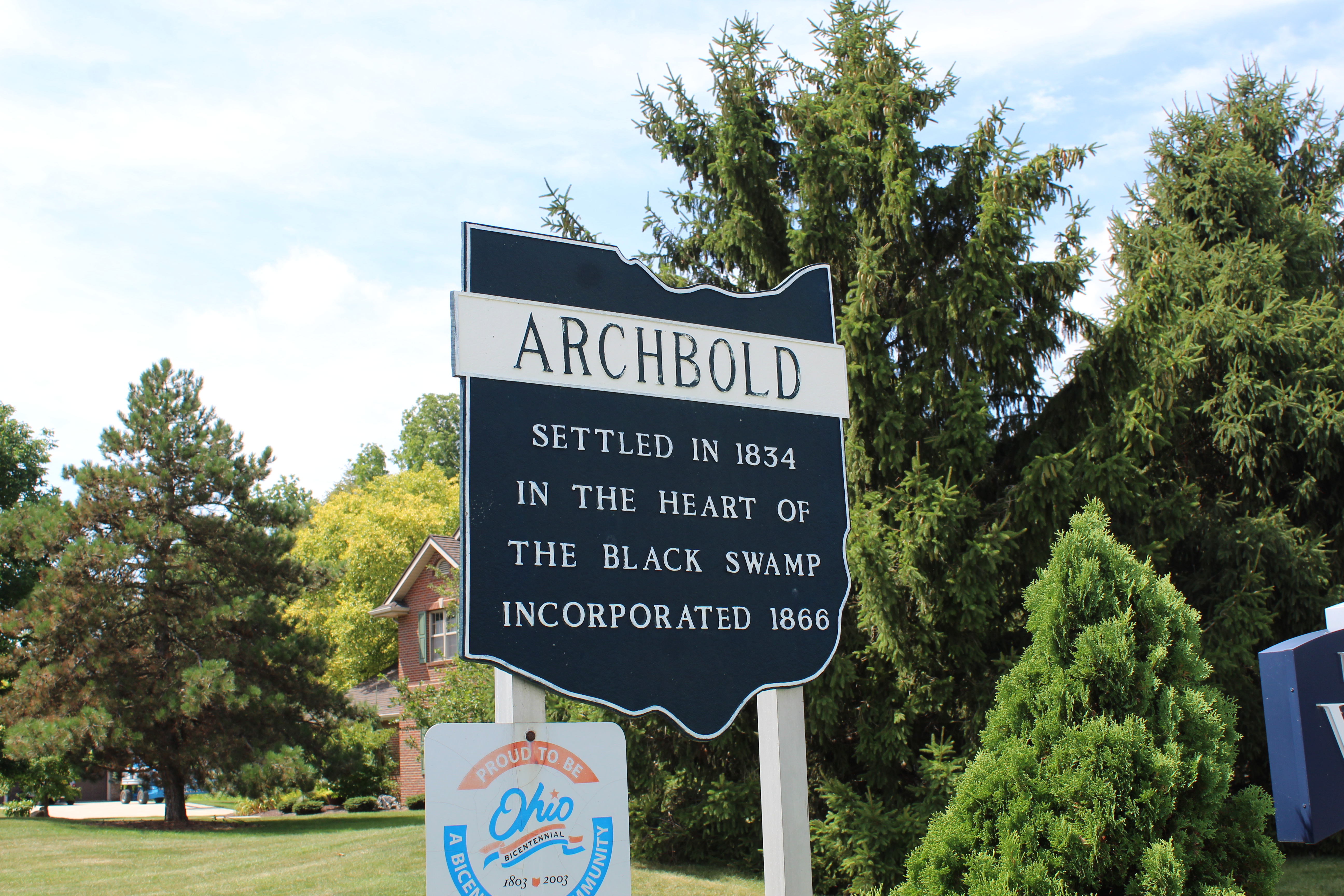
This sign sits adjacent to the welcome sign and tells us that the town was settled in 1834 in the heart of the The Black Swamp. I, of course, was a bit curious about this so-called Black Swamp.
Thankfully, there is abundant information about it in the Museum in Sauder Village.
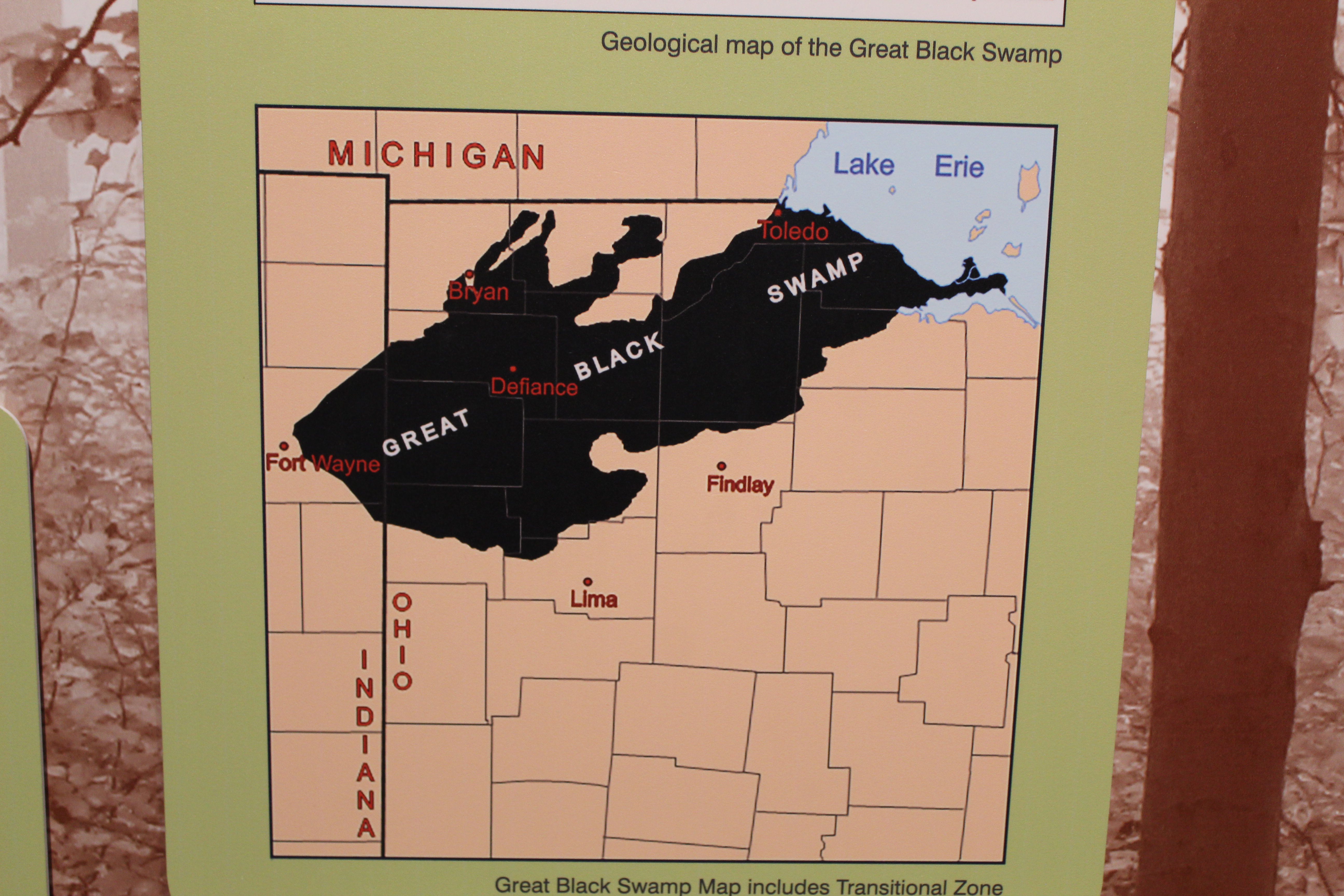
The Black Swamp I discovered was not some small, local swamp rather
Think of it, the swamp at one time was the third largest swamp in the United States but today most of it has been altered or drained. The question becomes, what is the result of the loss of the swamp?
Now, we know when it was settled and where it was settled. Let’s talk a bit more about
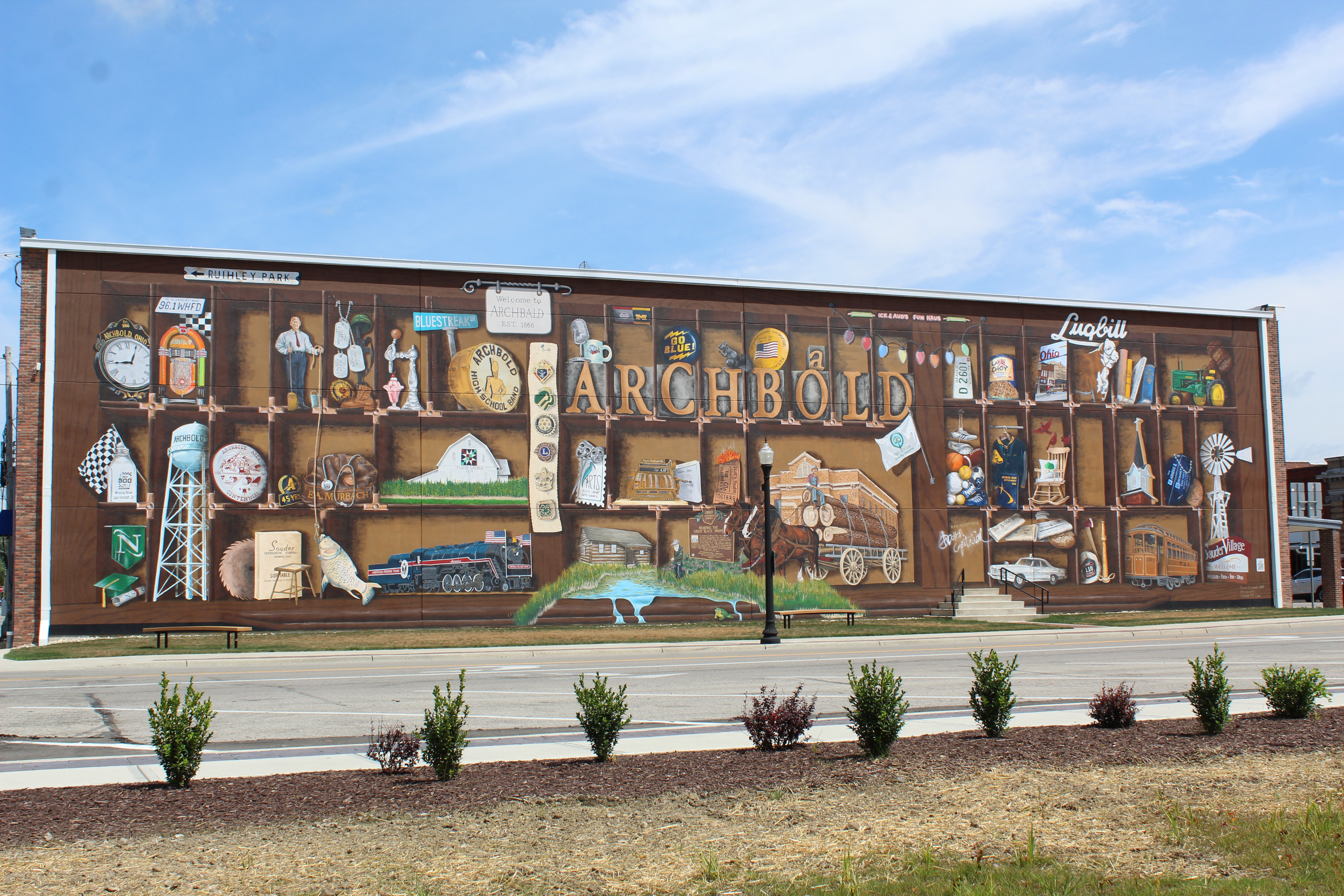
We had driven pass this several times before I was finally able to take a picture of it. I found it absolutely captivating. Picture taken, it was time to discover what it was all about.
This is what I discovered.
The mural is painted on the side of the old Rupp Furniture Store. It measures 136’ x 36’. The design is based on an old-fashioned printer’s-type drawer or type case laid on its side. Each compartment or drawer is filled with historical images representative of the village of Archbold from its settlement to Sauder Woodworking. The central focal point of the project is the letters Archbold that look like the individual letters old printers used. Then at the bottom of the type case, at the base of the mural, is a representation of the Black Swamp.
For a complete description of what is in each drawer please go to
That’s it for now. Time to get working on several blogs I have in the works. They sure aren’t going to write themselves. Overall, life is good. We remain blessed beyond measure and are enjoying our time together on the road. I hope you’re also enjoying your summer and are making the most of each and every day.
Thanks again for spending some time with us. It’s always great to be able to share our story with family and friends. Comments? Feel free to share them with me. And always remember, cherish every moment of every day that God gives you and live those moments to the fullest.
Our continuing mission remains the same: to explore as many new states as possible, to seek out new acquaintances and make new friends, to boldly go where we have not been before.
Today was the Great Exodus. Let me explain. The campground has a total of 85 sites and by Friday evening all but 2 were occupied. Today, all but about 10 are occupied this afternoon. It was something to see everyone leave. One by one they made their way around the loop and out the exit road. But you know what? The same thing will no doubt happen again next weekend.
OK, let’s go back to the Village.
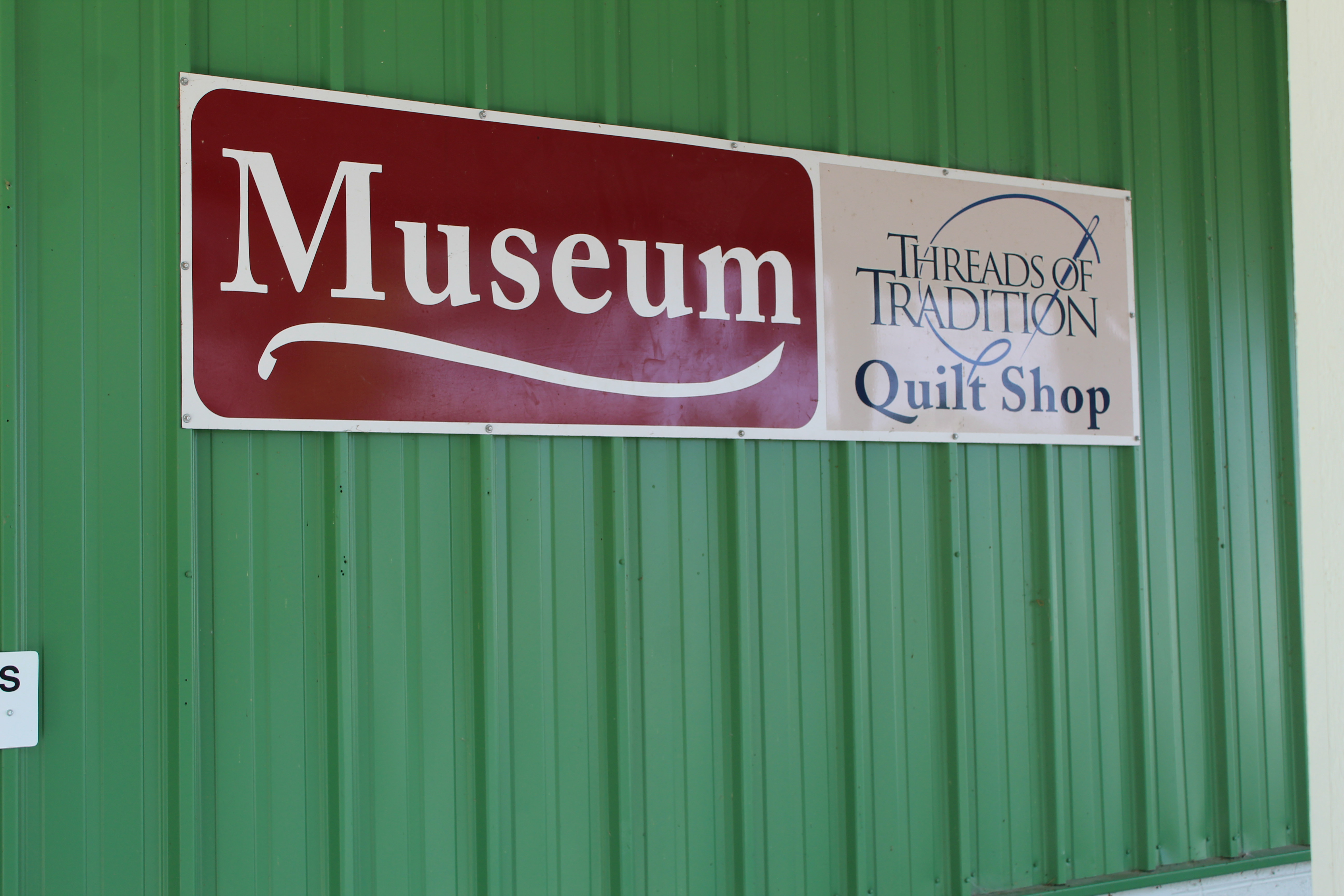
One of the most amazing buildings on the grounds is the Museum. It was 5 large exhibit rooms and you could easily spend a full day taking in all the fascinating and informative exhibits it has to offer. We spent about 2 hours here and I know we missed so much. After awhile you just go in to what I call overload.
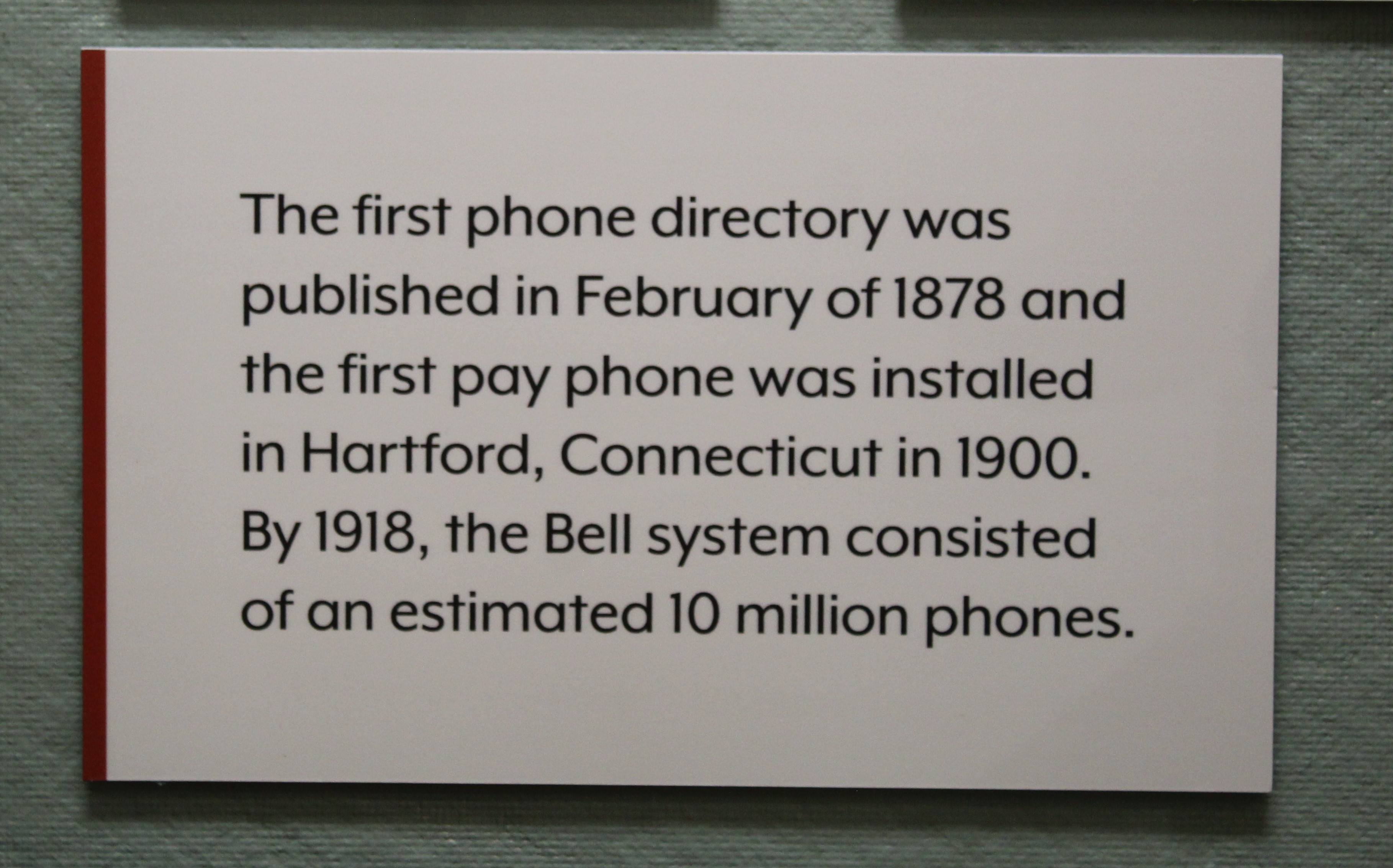
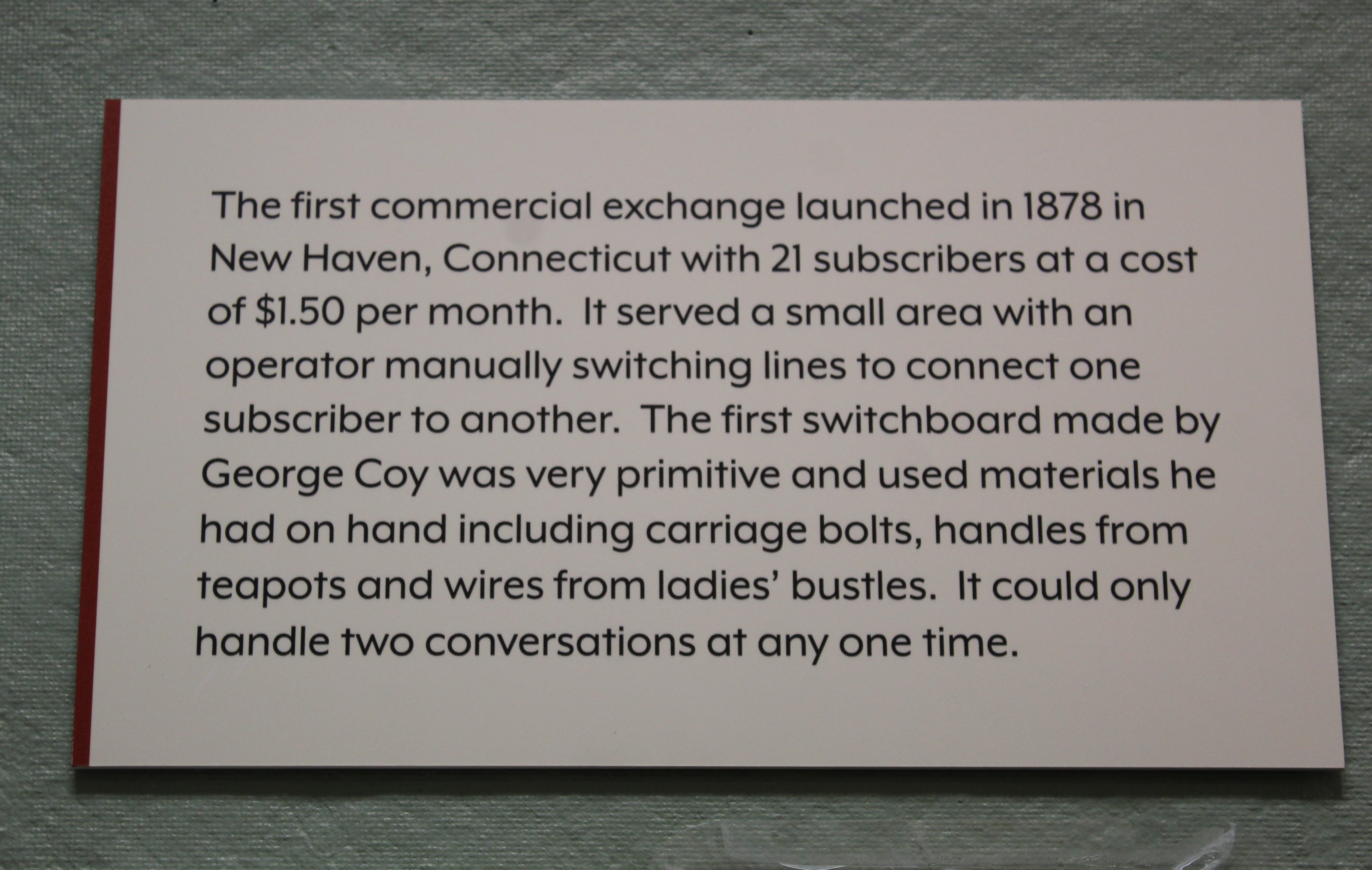
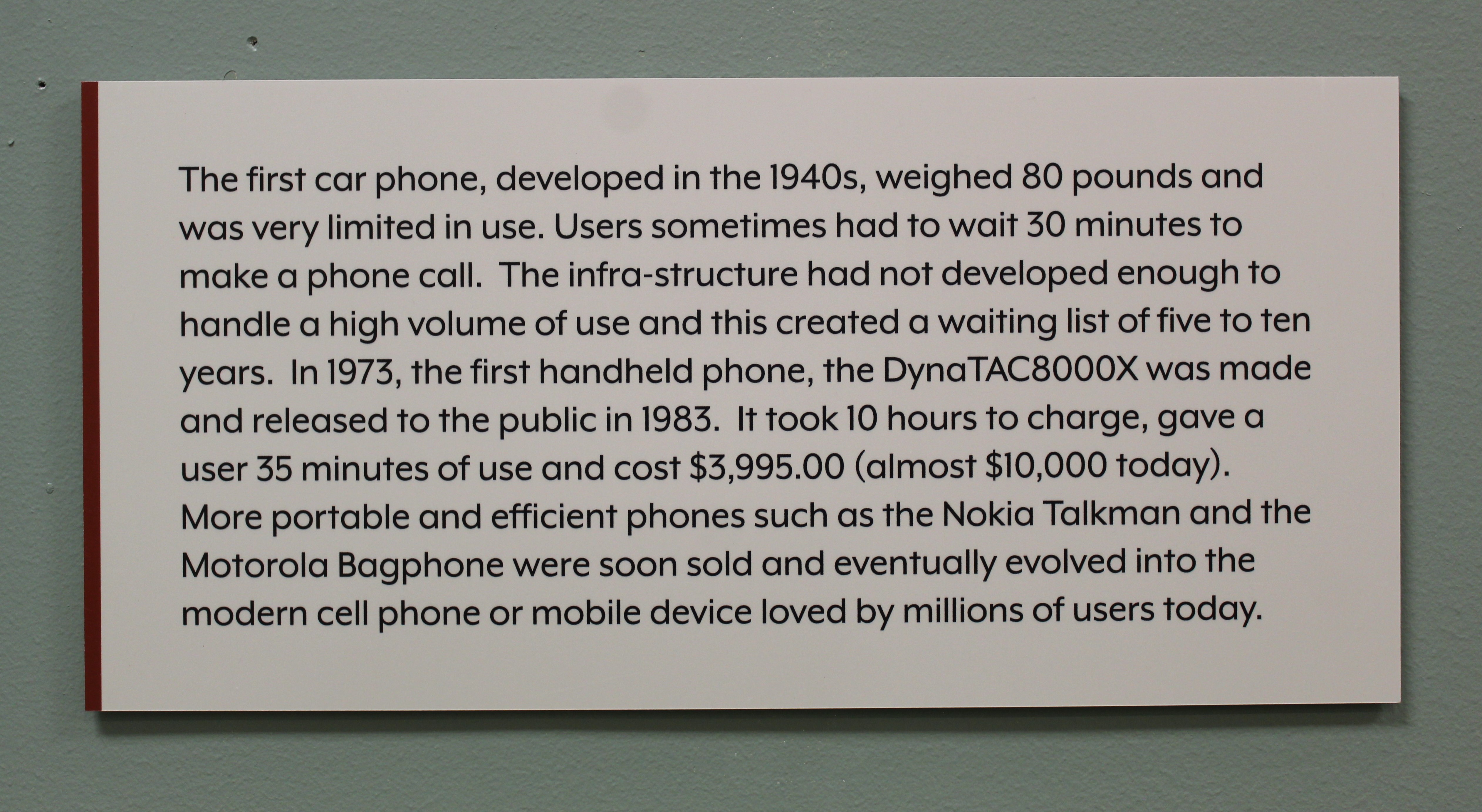
Let me share with you just a bit of the fascinating things I discovered. In the area of communication I came across these interesting facts.
I challenge you to try and find a pay phone today. Hey, I actually know where there is one. Believe it or not there was one in the campground at the International Peace Gardens campground. And yes, it was in working order.
Talk about a resourceful person. George must have really wanted to create that first switchboard considering the objects he used to make it.
Can you imagine anyone today waiting 10 hours for their cell phone to charge! Not to mention its limited use and its crazy price.
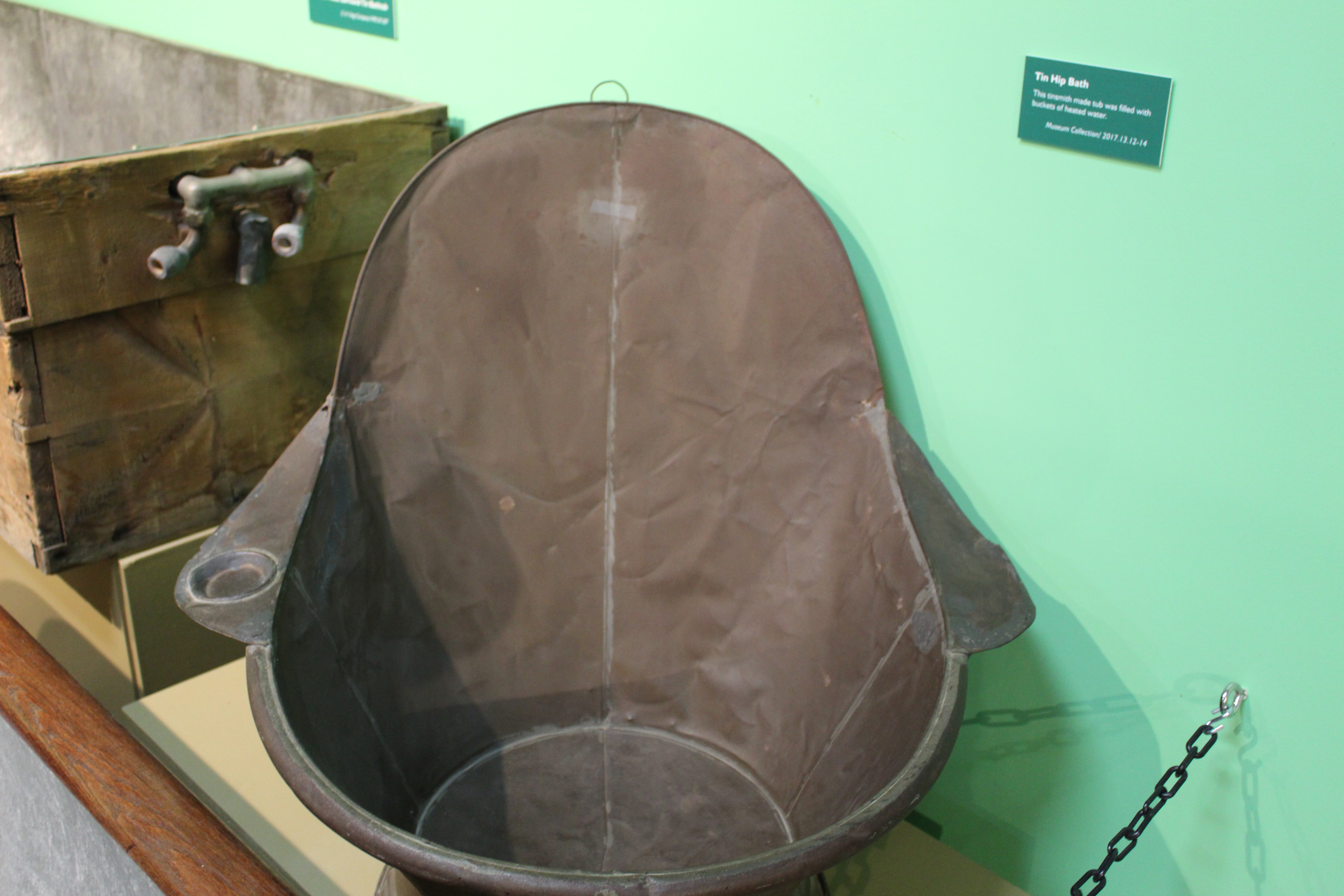
In the exhibit Improving Your Home
Can’t afford a full tub, then how about a tin hip bath? Hey, it even has a cup holder!
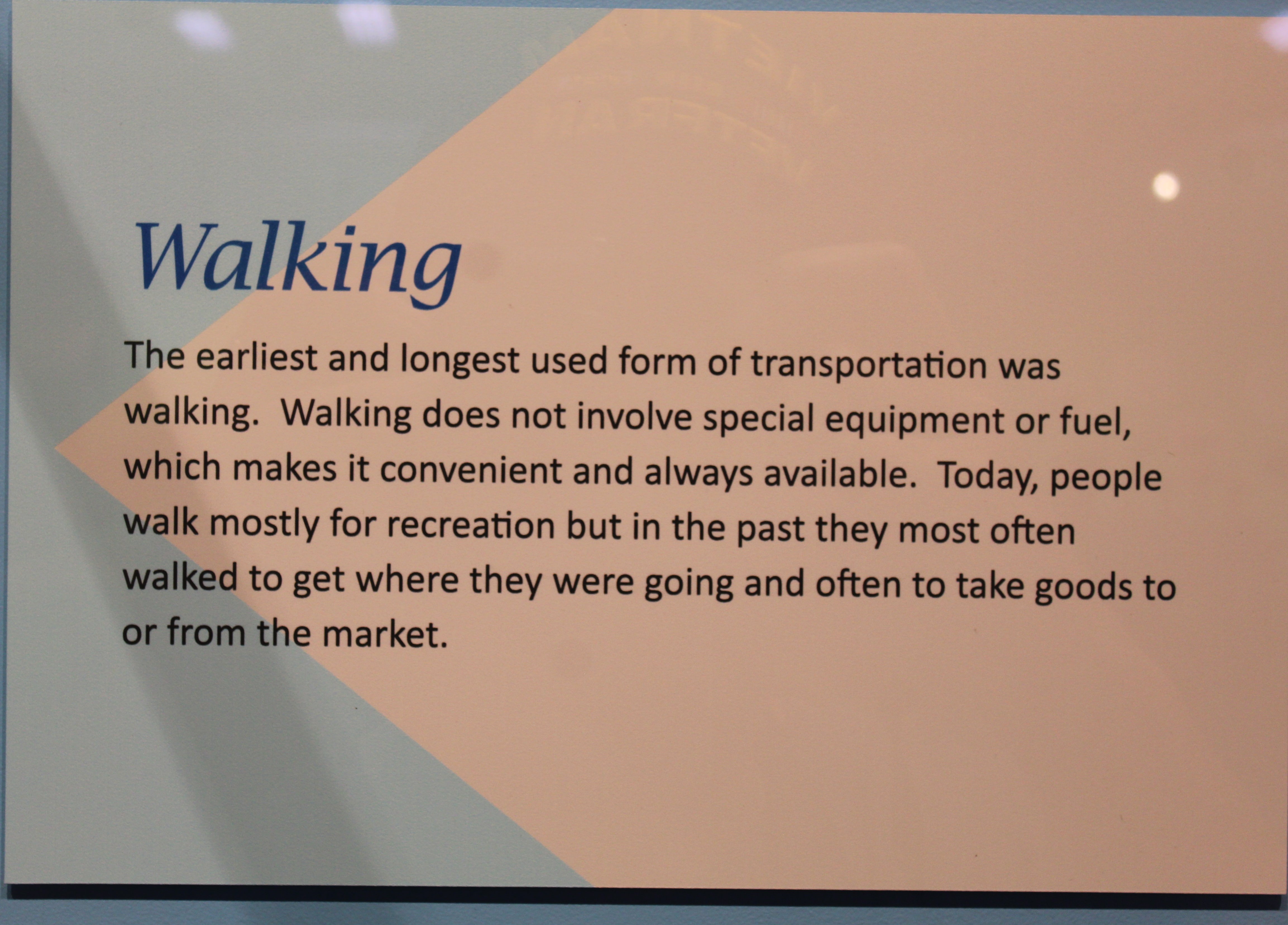
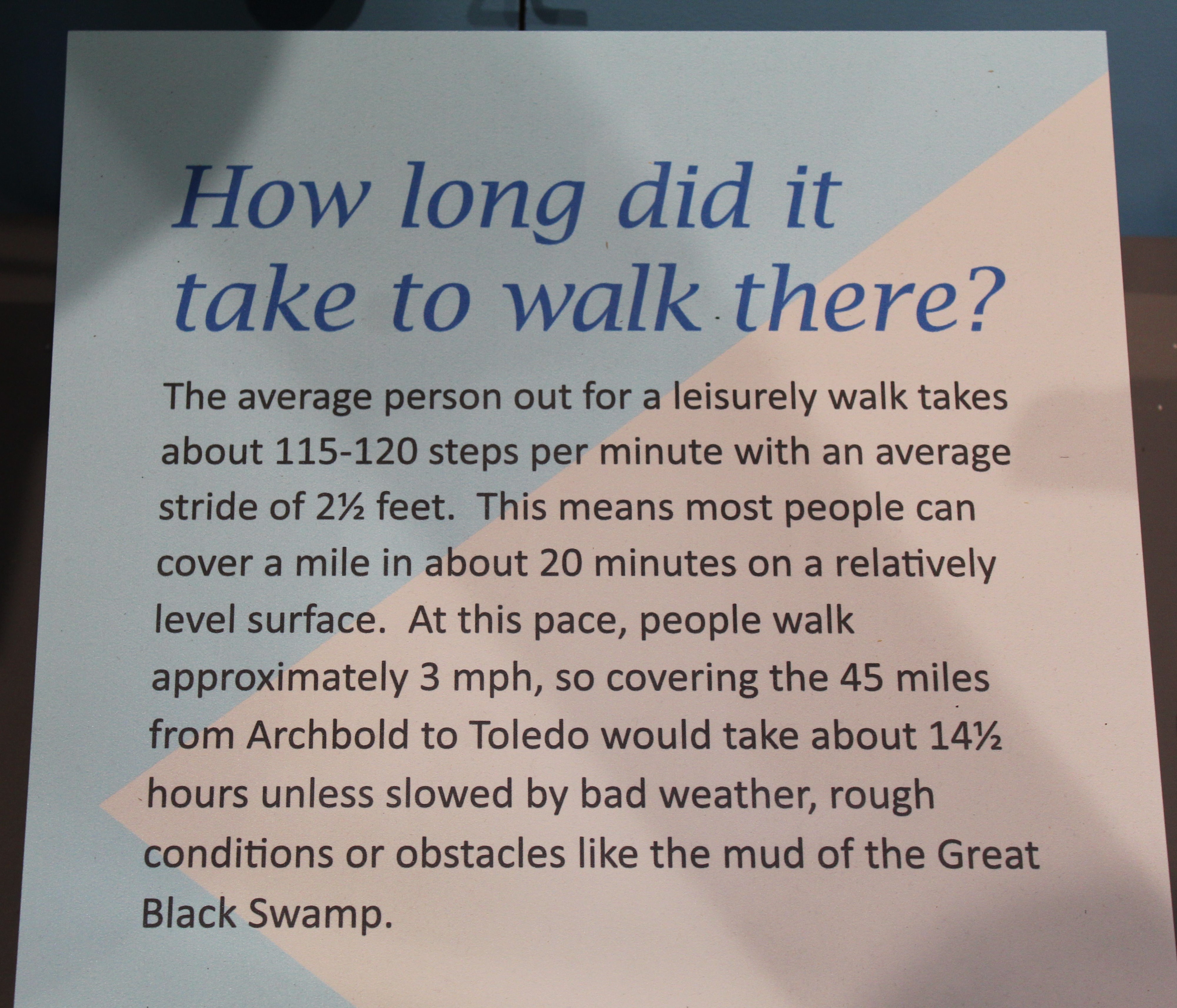
In the exhibit of Ways We Move
Wow! I believe I’ll stick to driving Elvira.
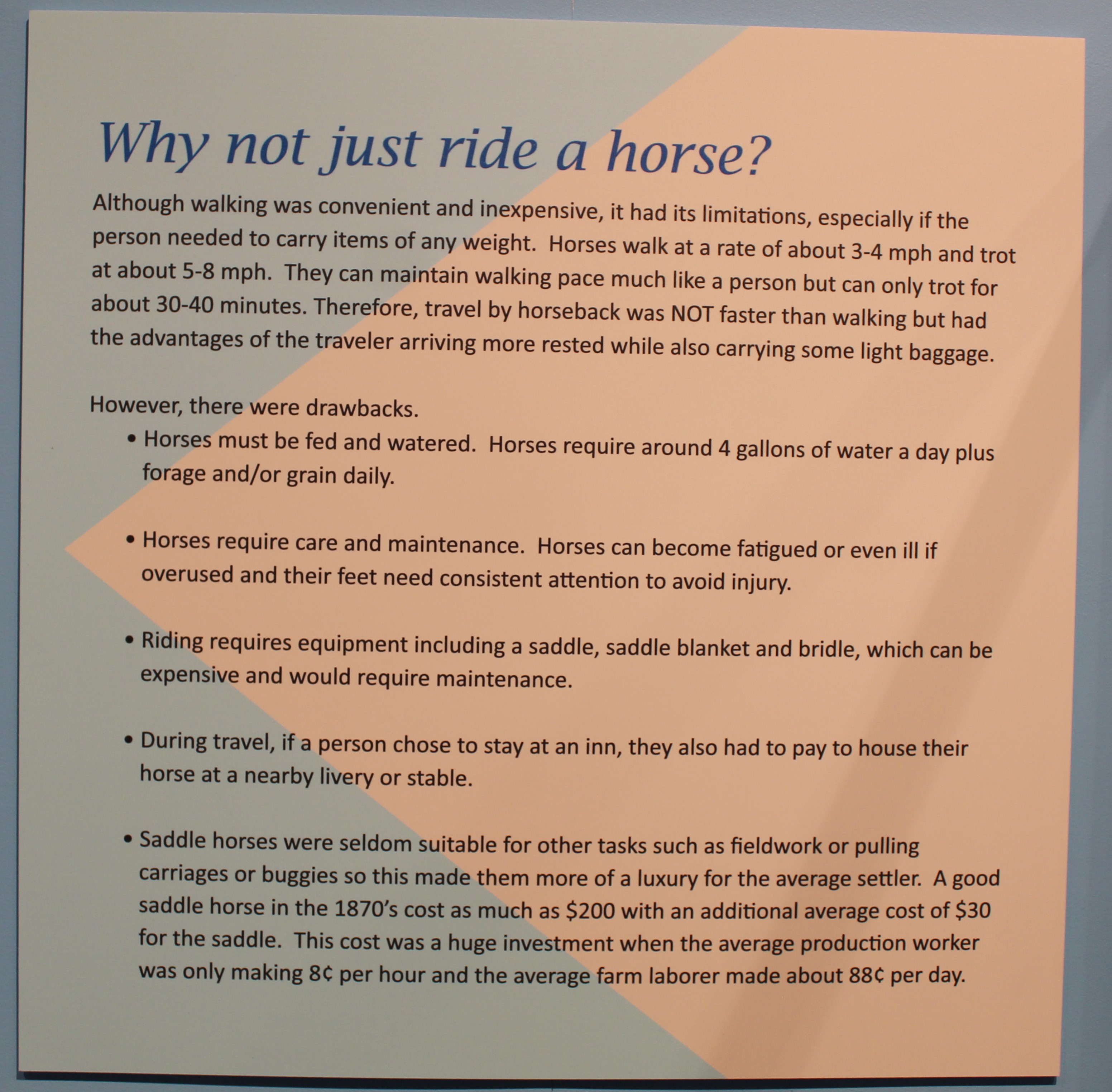
OK, how about riding a horse?
How about that I never thought about the drawbacks of using a horse.
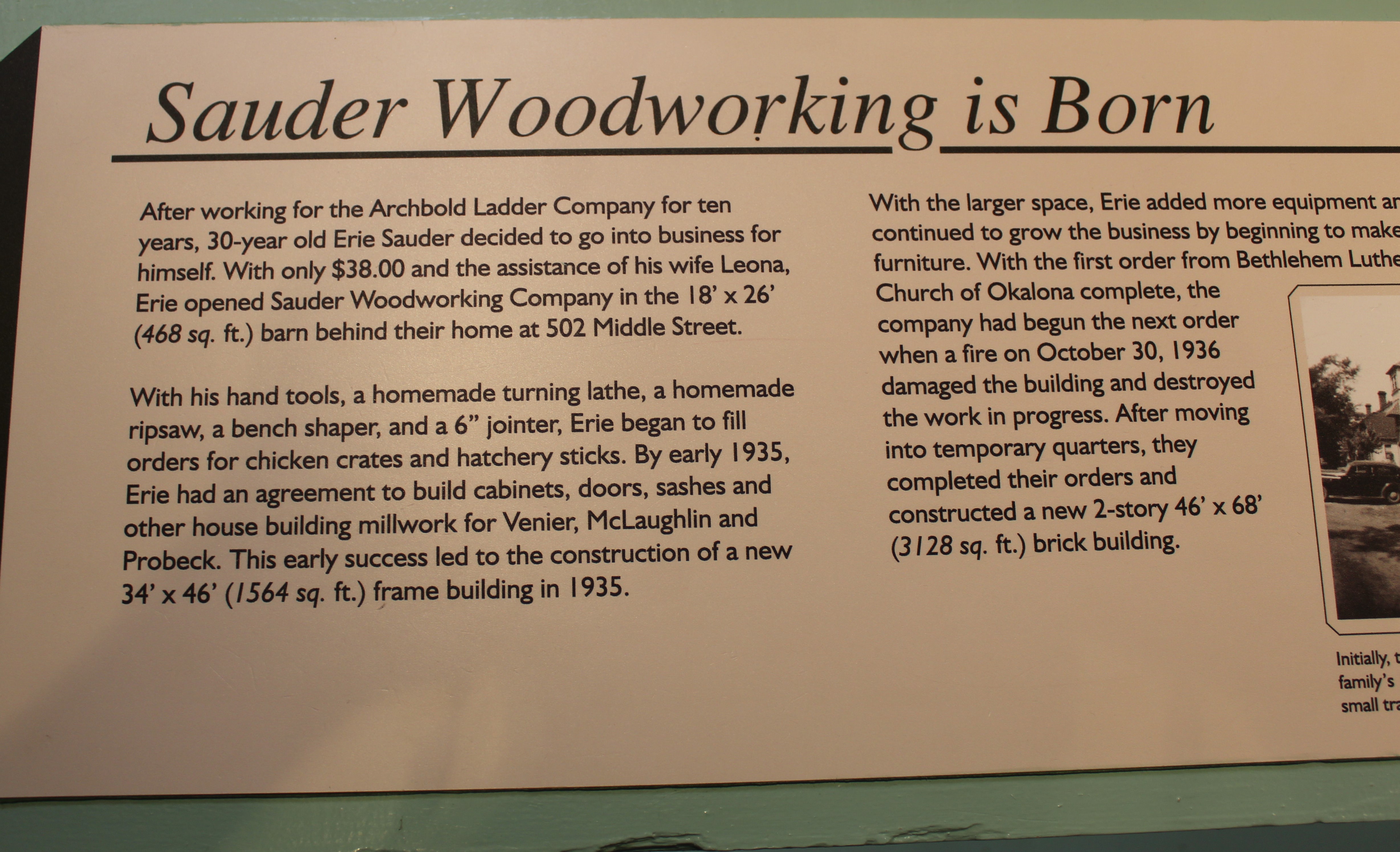
No museum in the Village would be complete without an entire room dedicated to
The Sauder story and an exhibition of some of its furniture. The panel above is just one of about 24 that tells the ups and downs, the trials and tribulations, and the numerous innovations that is Sauder. The story is absolutely fascinating and I was delighted to learn about the man and the company he formed and went on to build
Well, like I said the museum is immense and one could easily spend the better part of a day there but we need to be on our way.
We’re moving on now to a new section of the village known as 1920’s Main Street. But before we walk Main Street lets stop and have a little fun.
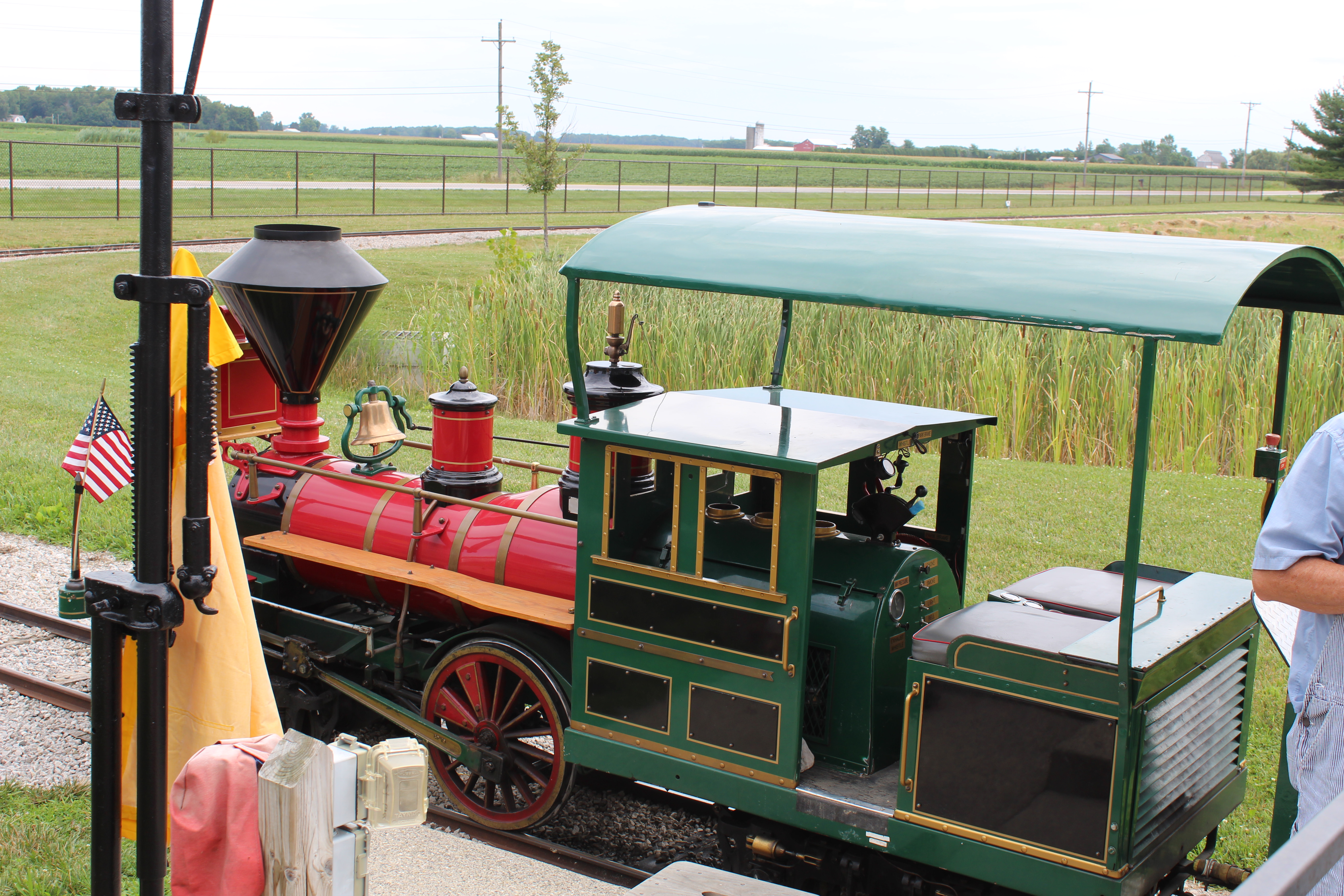
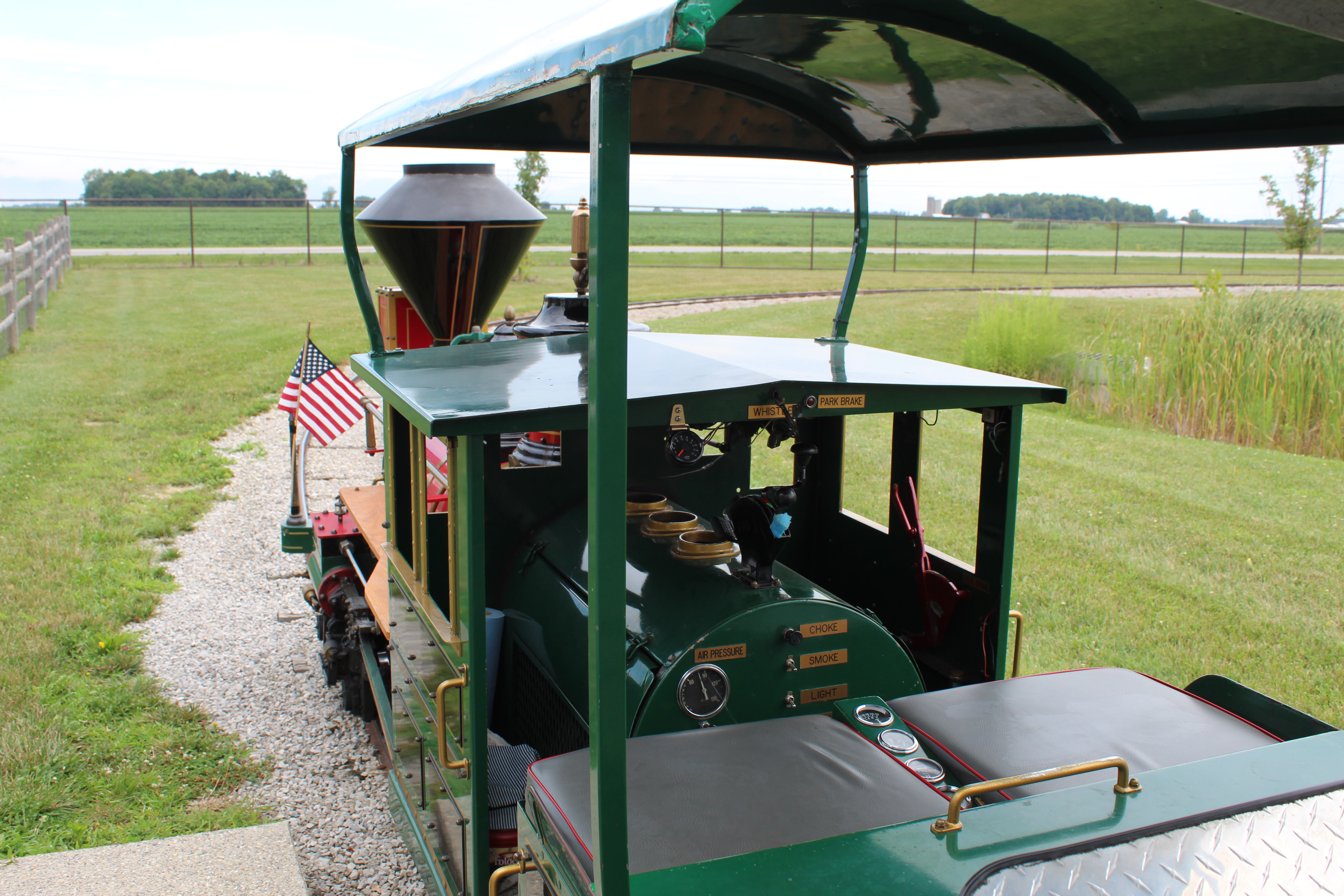
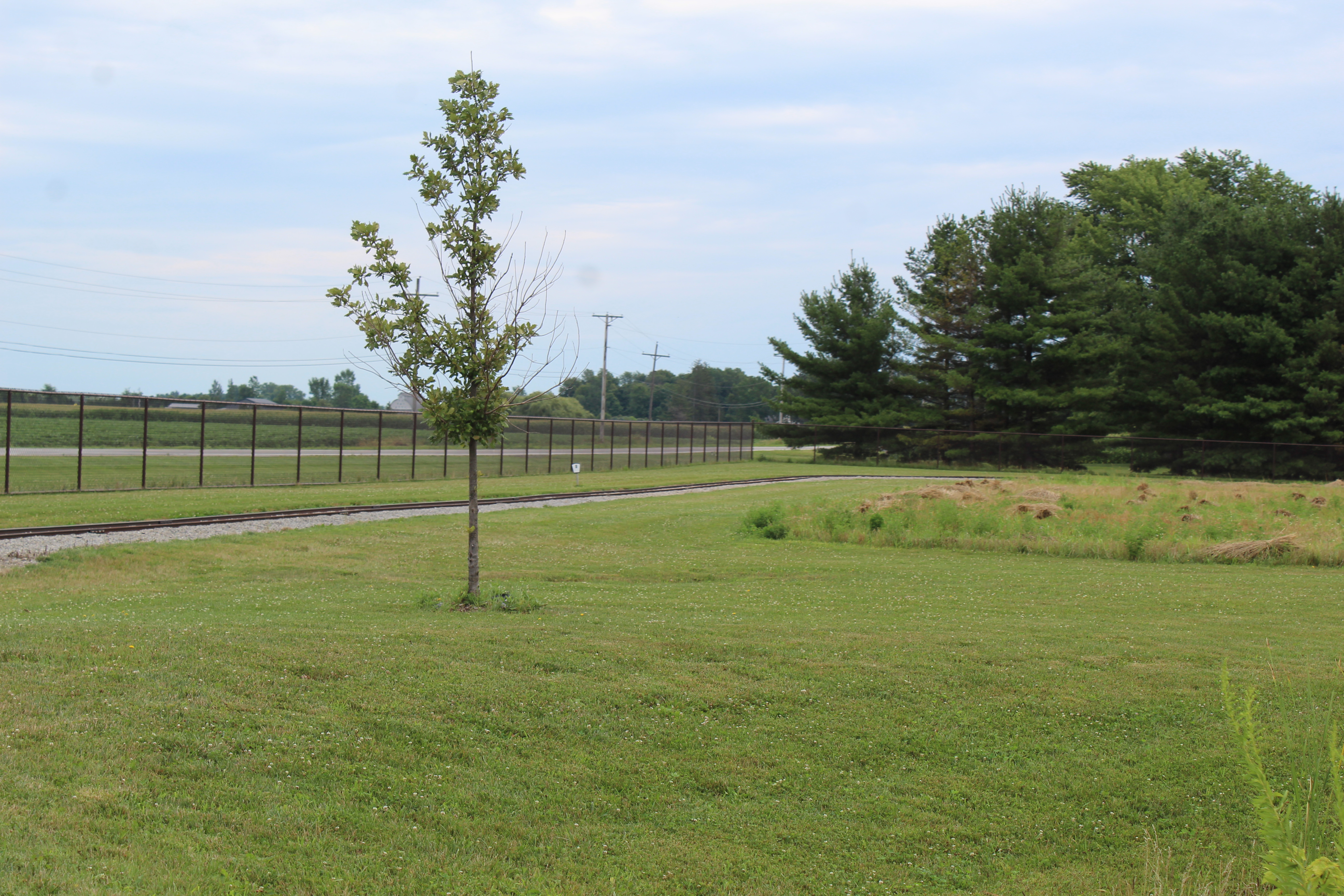
There is a miniature train that runs around the perimeter of the Historic Village and the kid in me was not going to pass this up. All aboard!
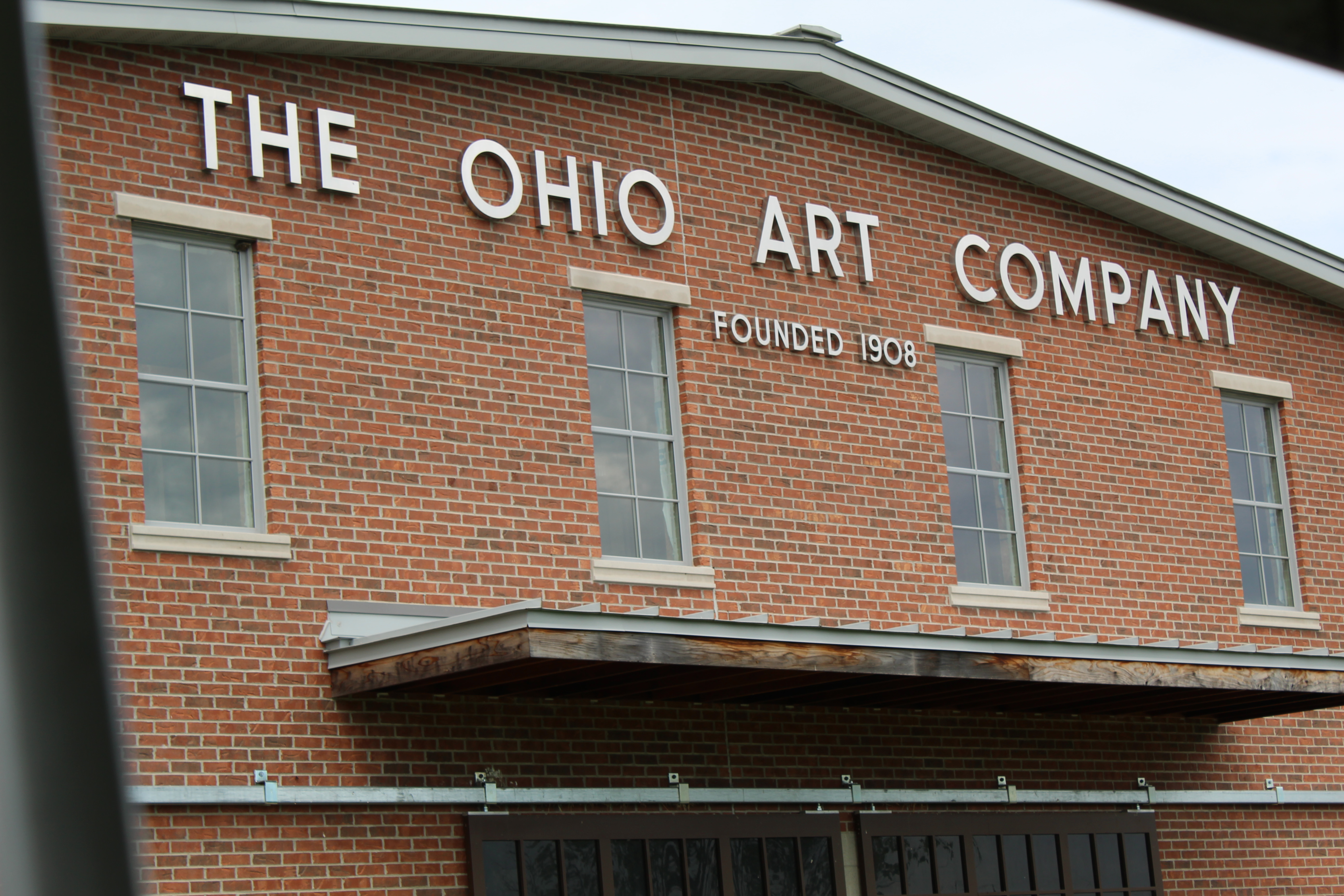
Back from our train ride and the first building we see is
Anyone know what this company is famous for? Well, first a bit of history. This company was founded by Henry Winzeler who opened a dental practice in Archbold. Eight years later he made a career change and started a company to manufacture picture frames. Eventually they began to make children’s toys, the most famous being – ready for it – the Etch A Sketch! I know I once had one and had a ball with it. How about you?
Moving on, we’ll now visit some of the shops on Main Street.
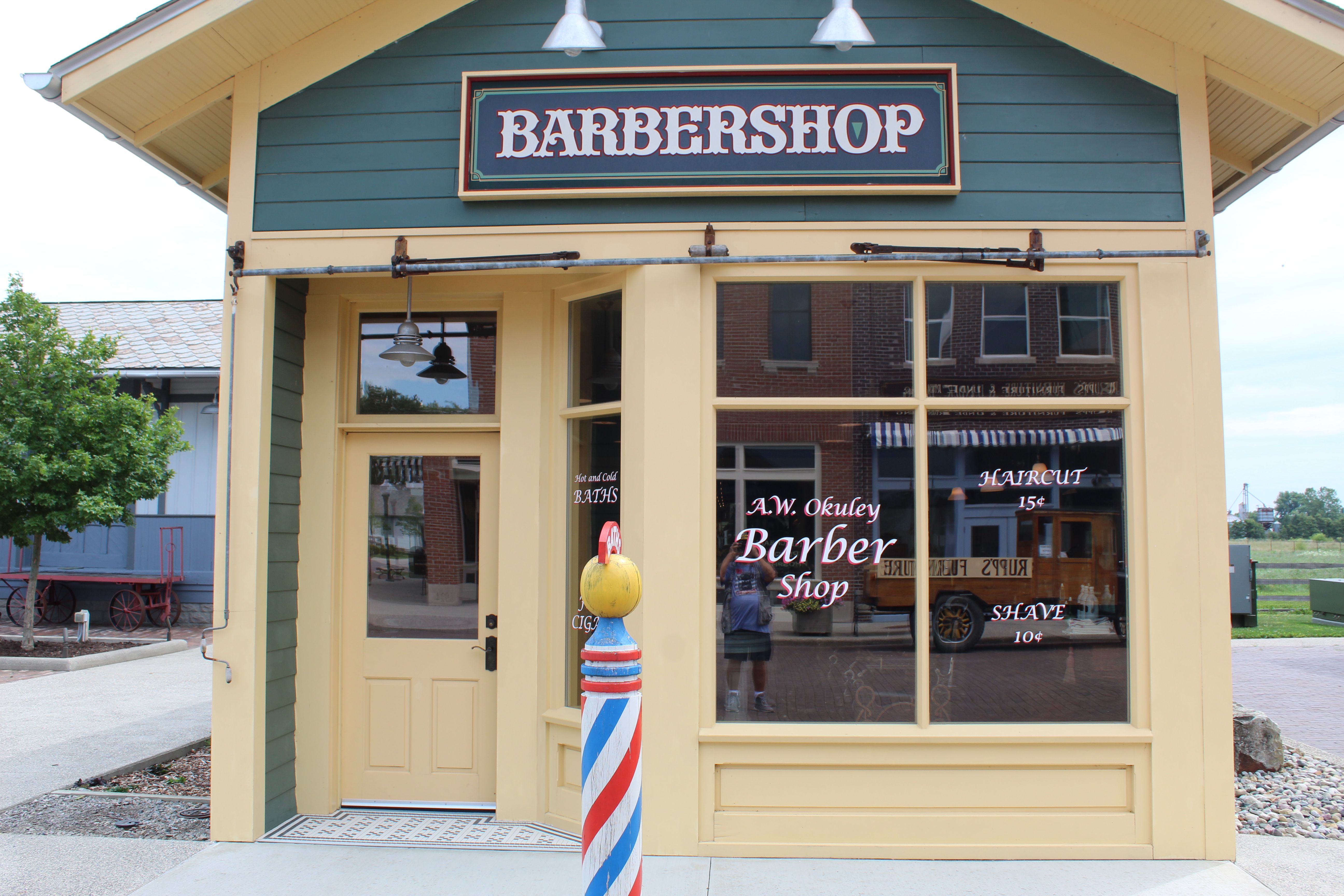
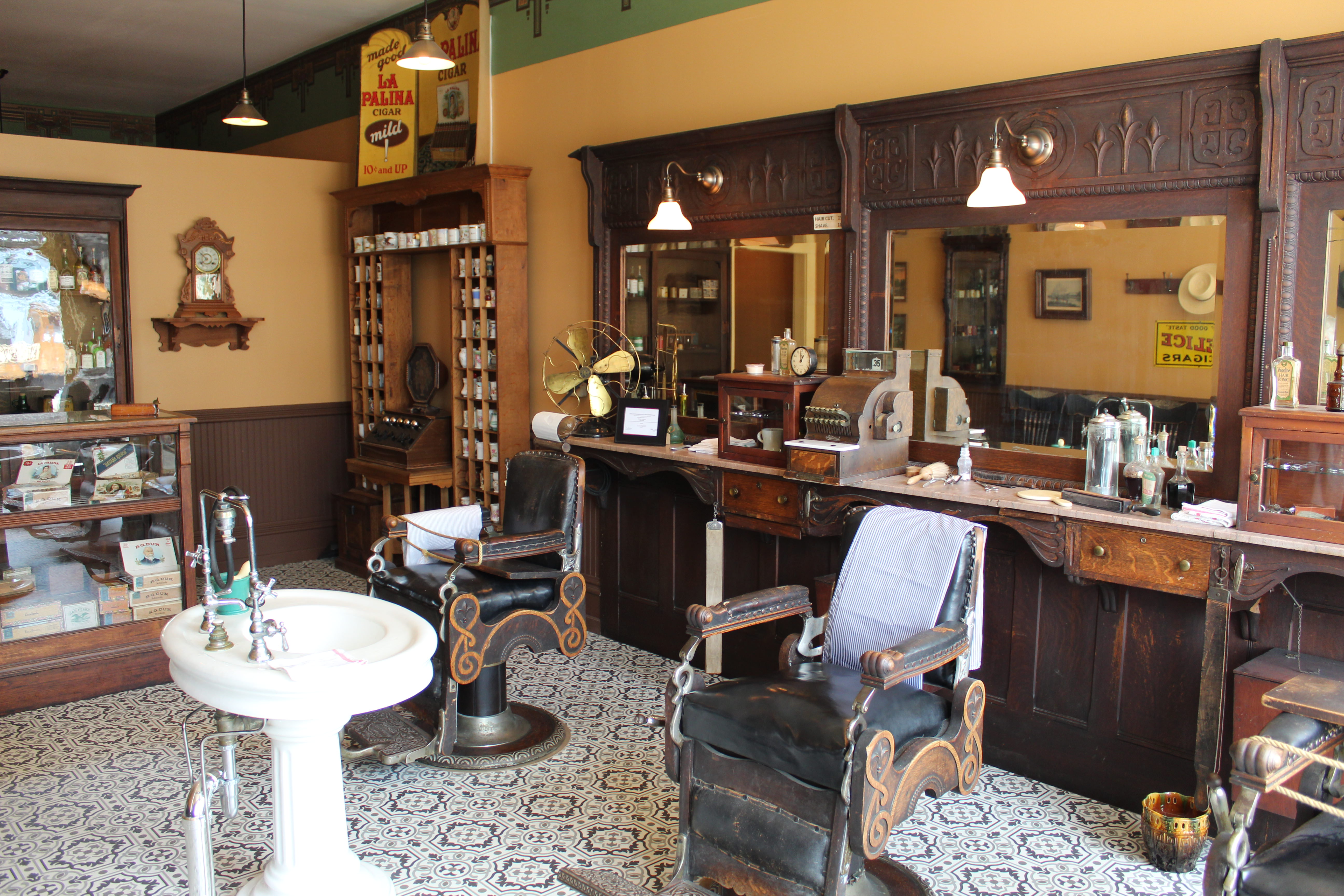
In the 1900’s the barbershop was usually the gathering place for men in the community. Ladies were gently reminded that this was not a place for them.
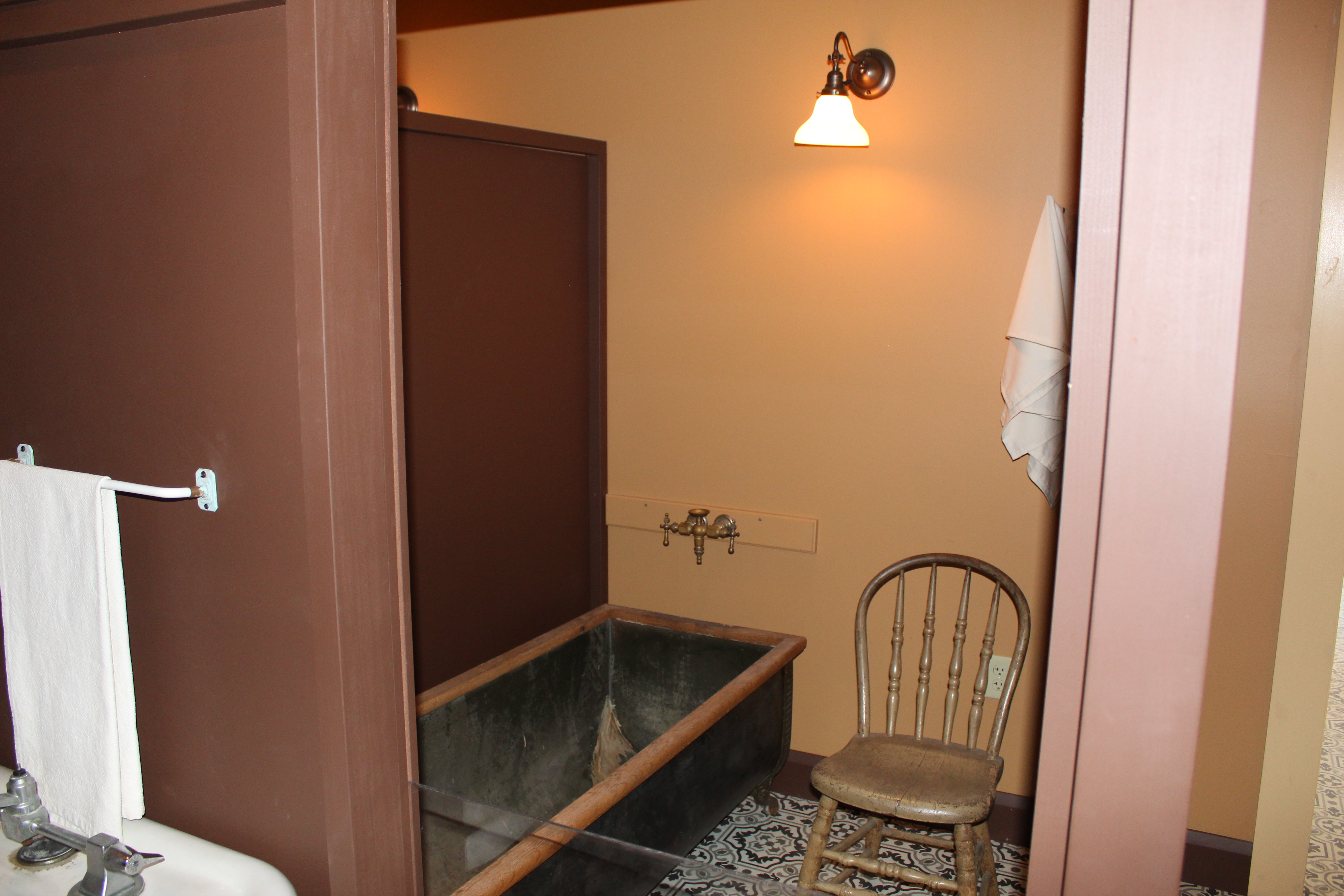
Often times the barbershop was located near the train depot. Train employees and sometimes gentlemen travelers departing the train would often need a means of “freshening up” therefore the barbershop usually had a section in the back for bathing.
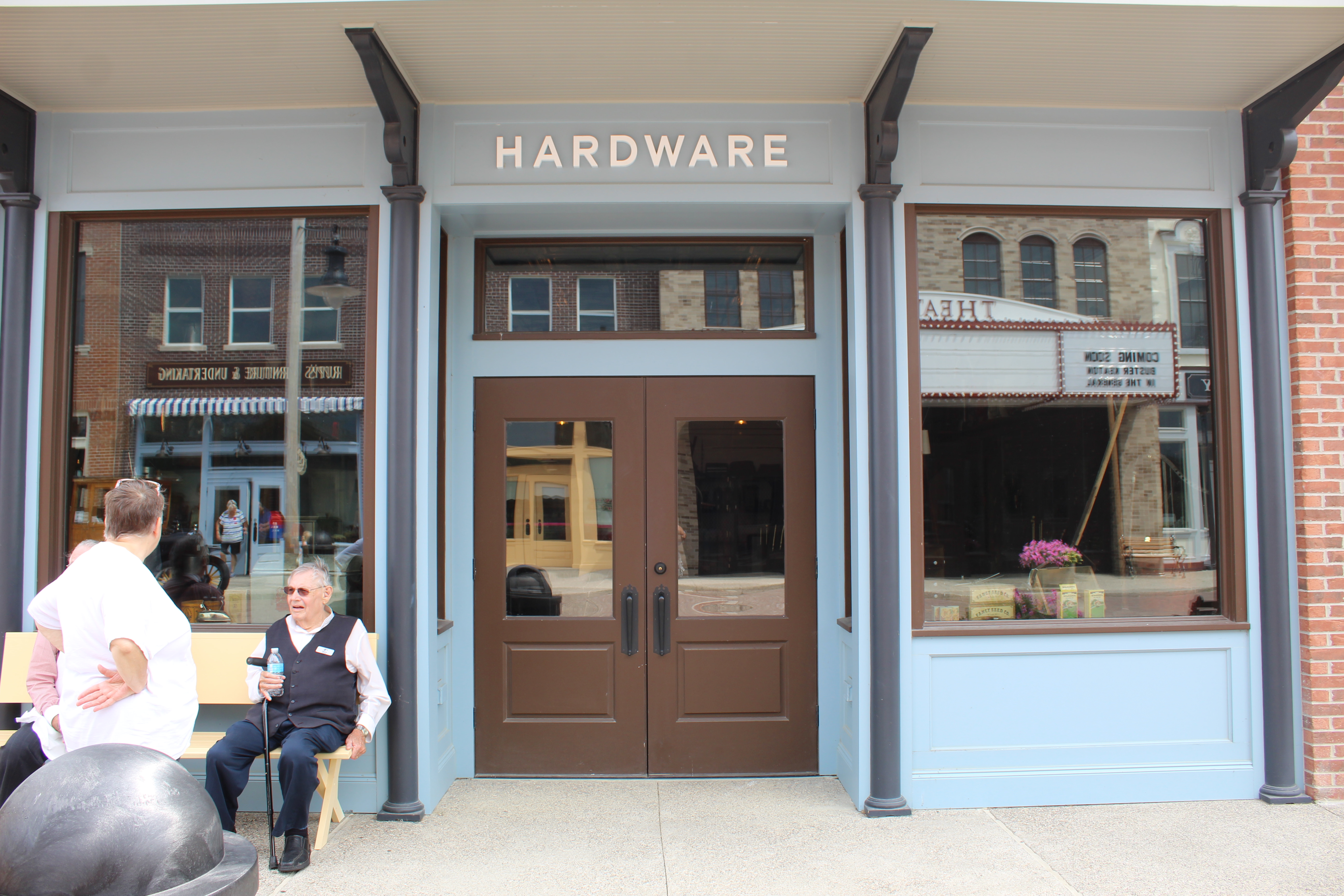
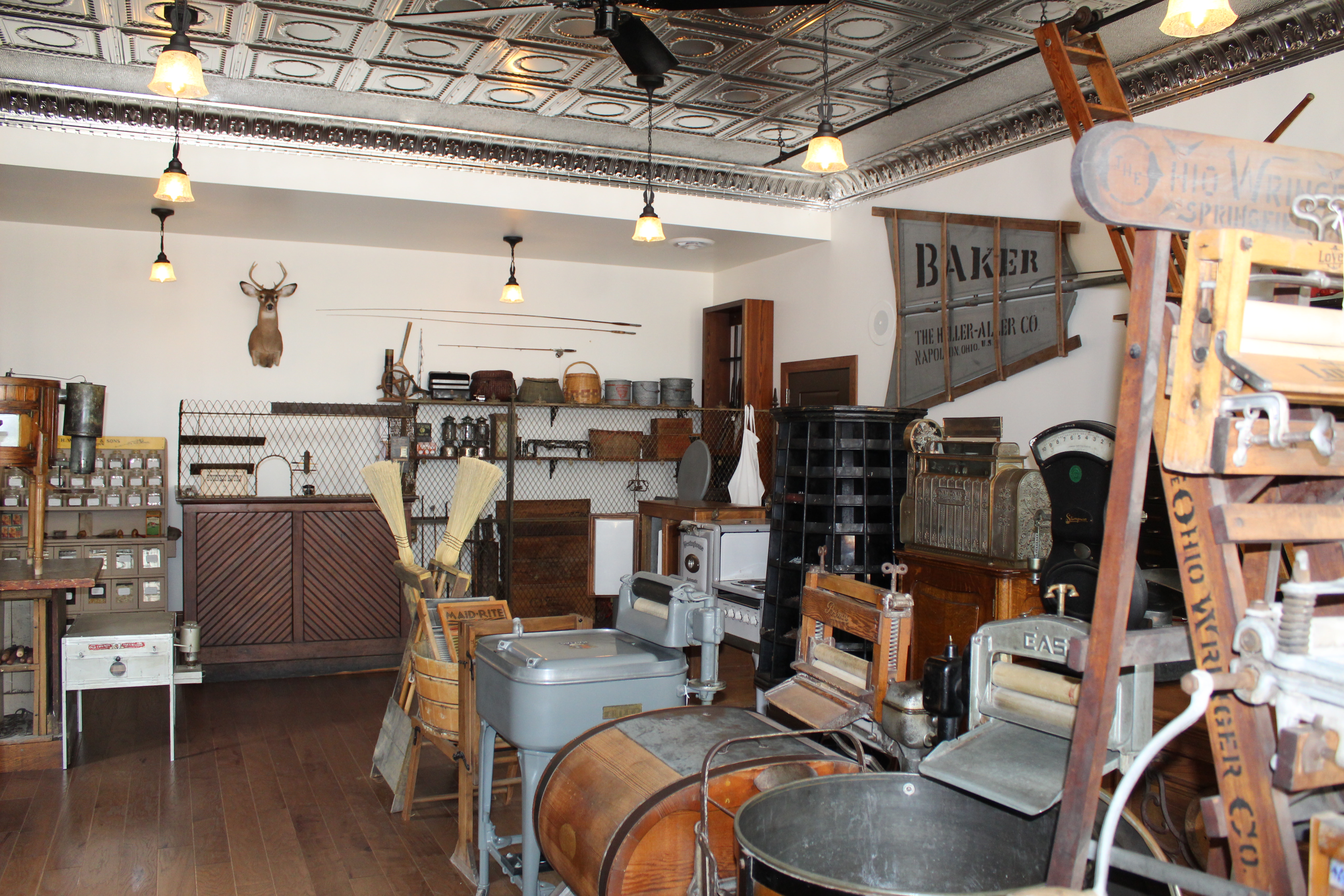
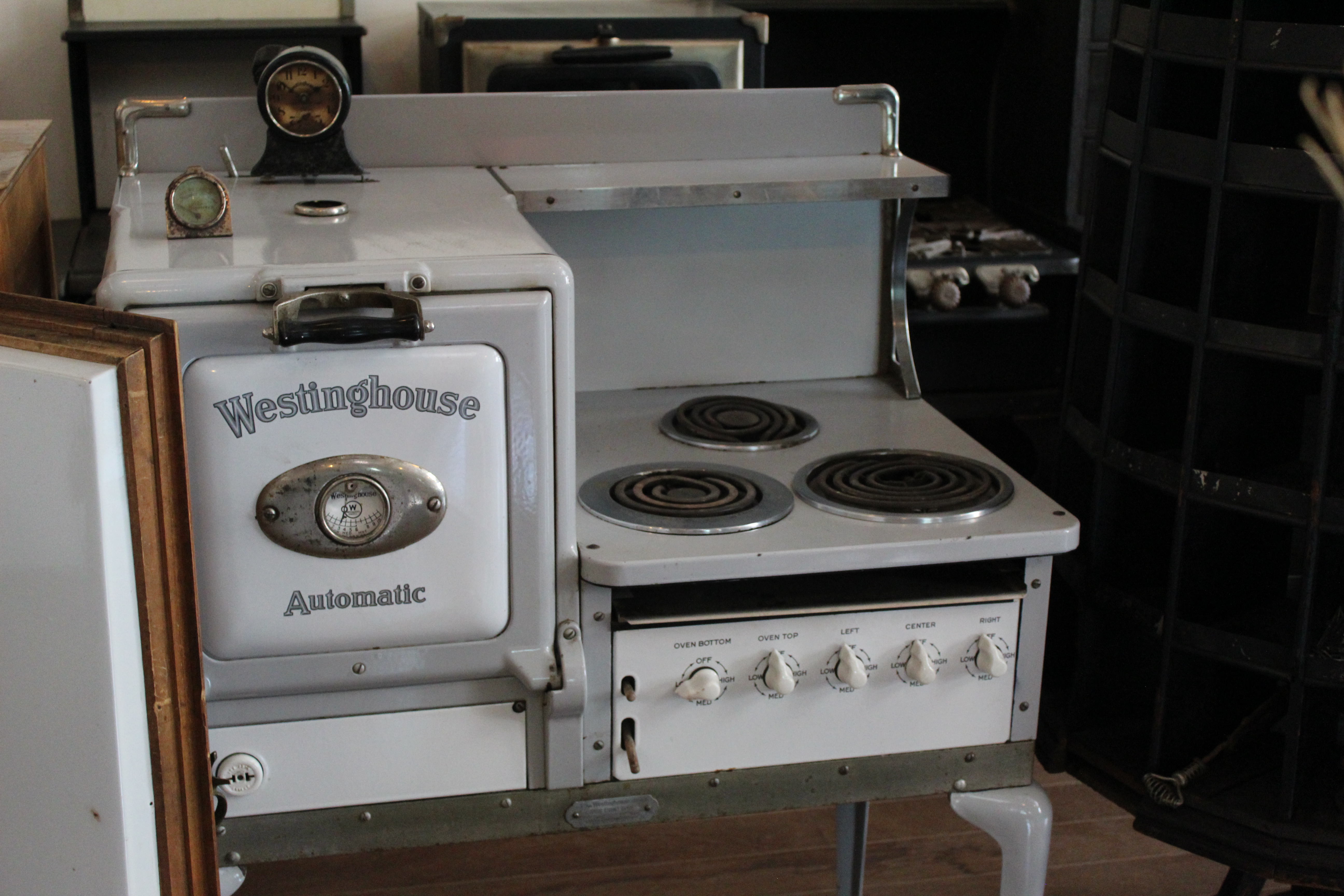
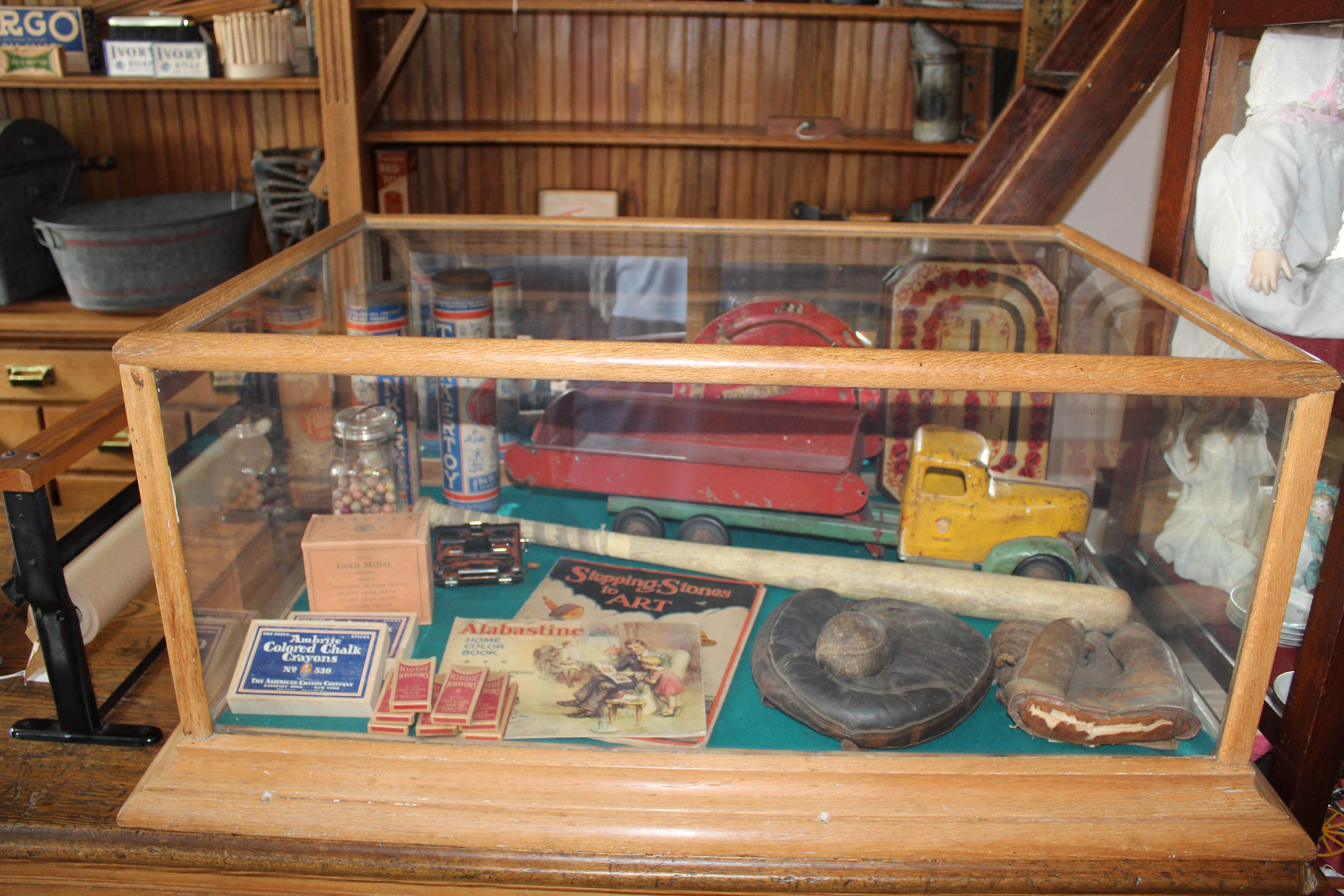
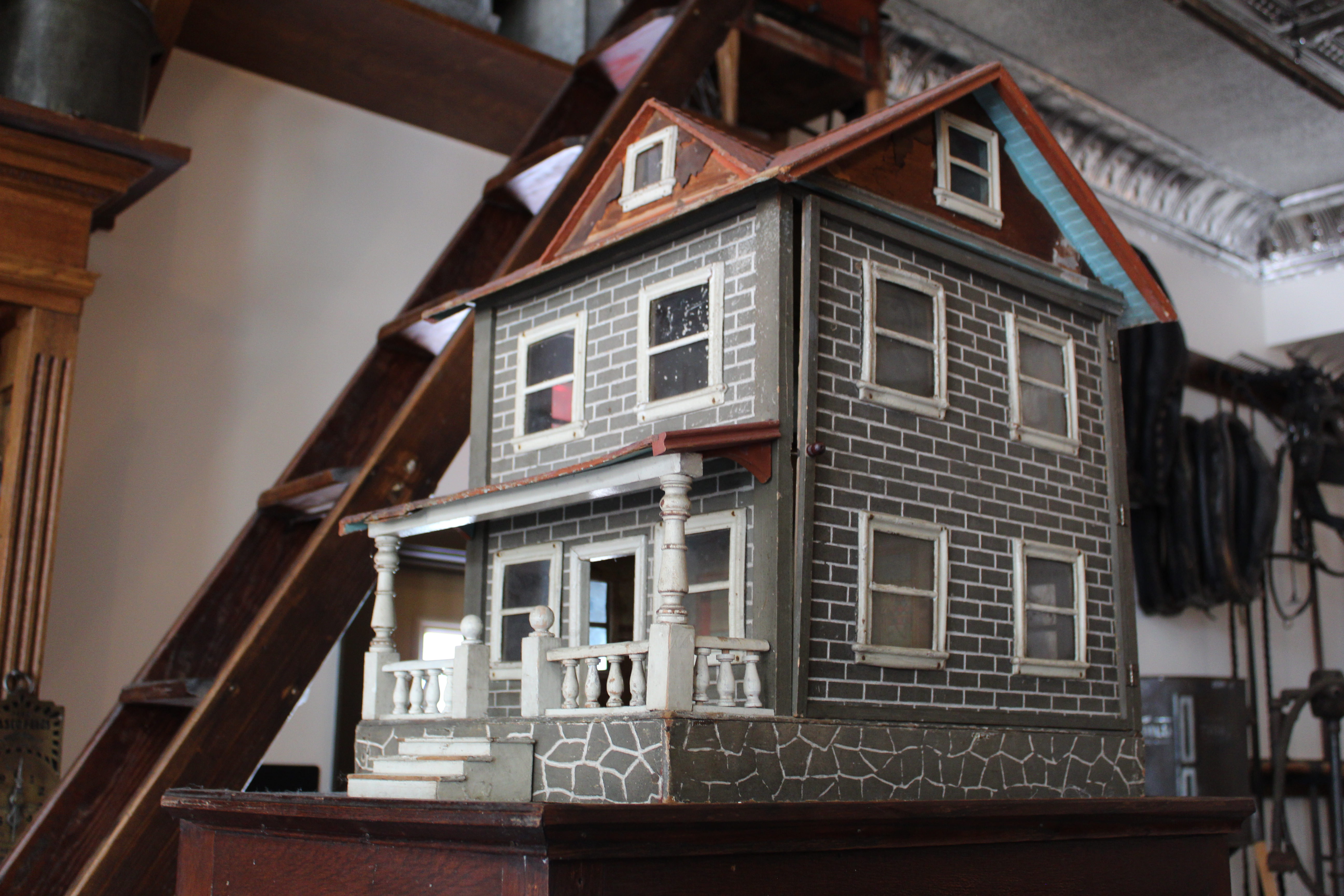
The hardware store offered a little bit of everything in terms of tools, modern appliances, and materials for almost any home or farmstead need. It also offered toys and books and dollhouses for the kids. Not to mention it also offered something the large box stores don’t offer today, it offered home town hospitality. I remember we had a store similar to this in our little town and whenever you went to the store to get something you received a warm greeting and service with a smile.
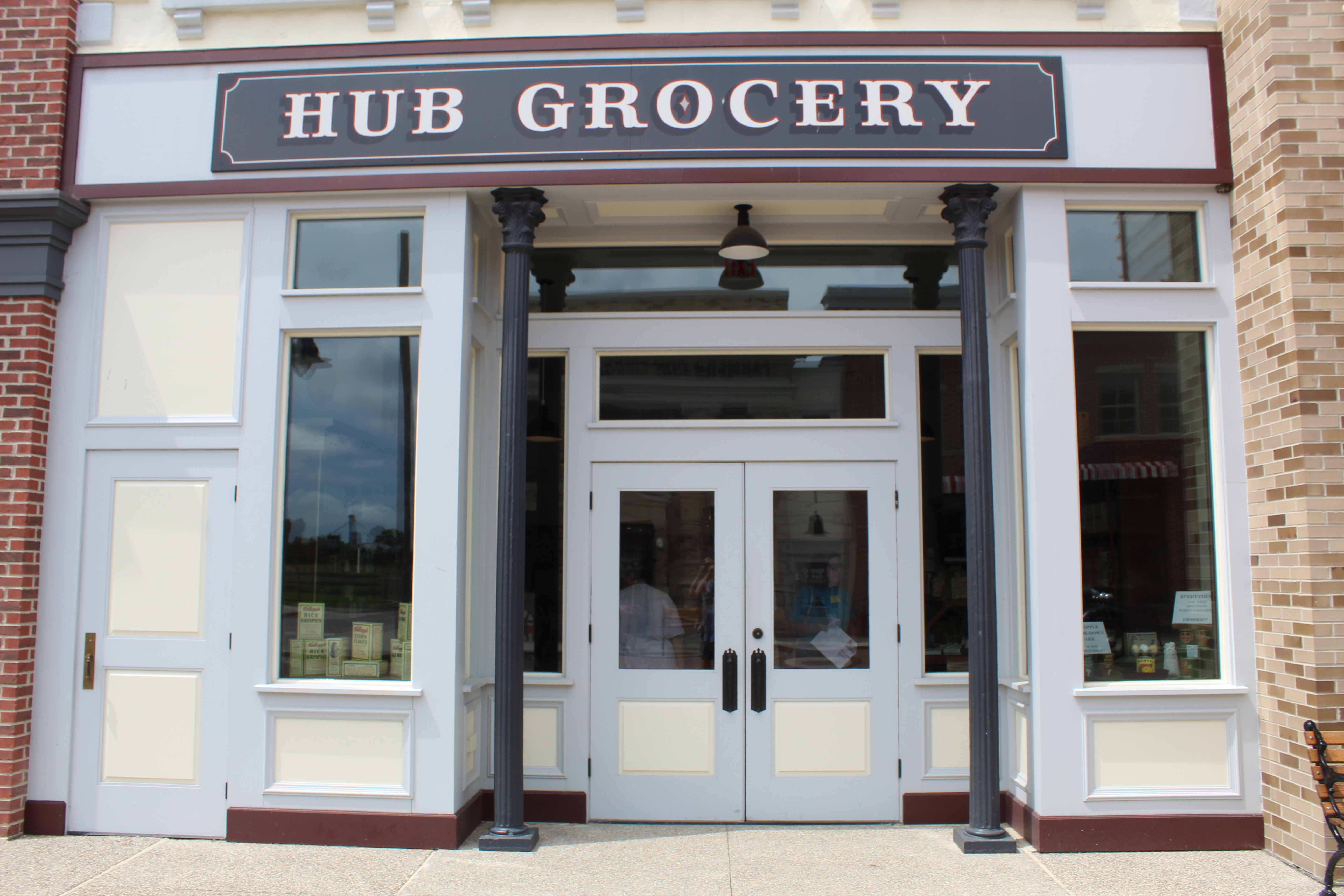
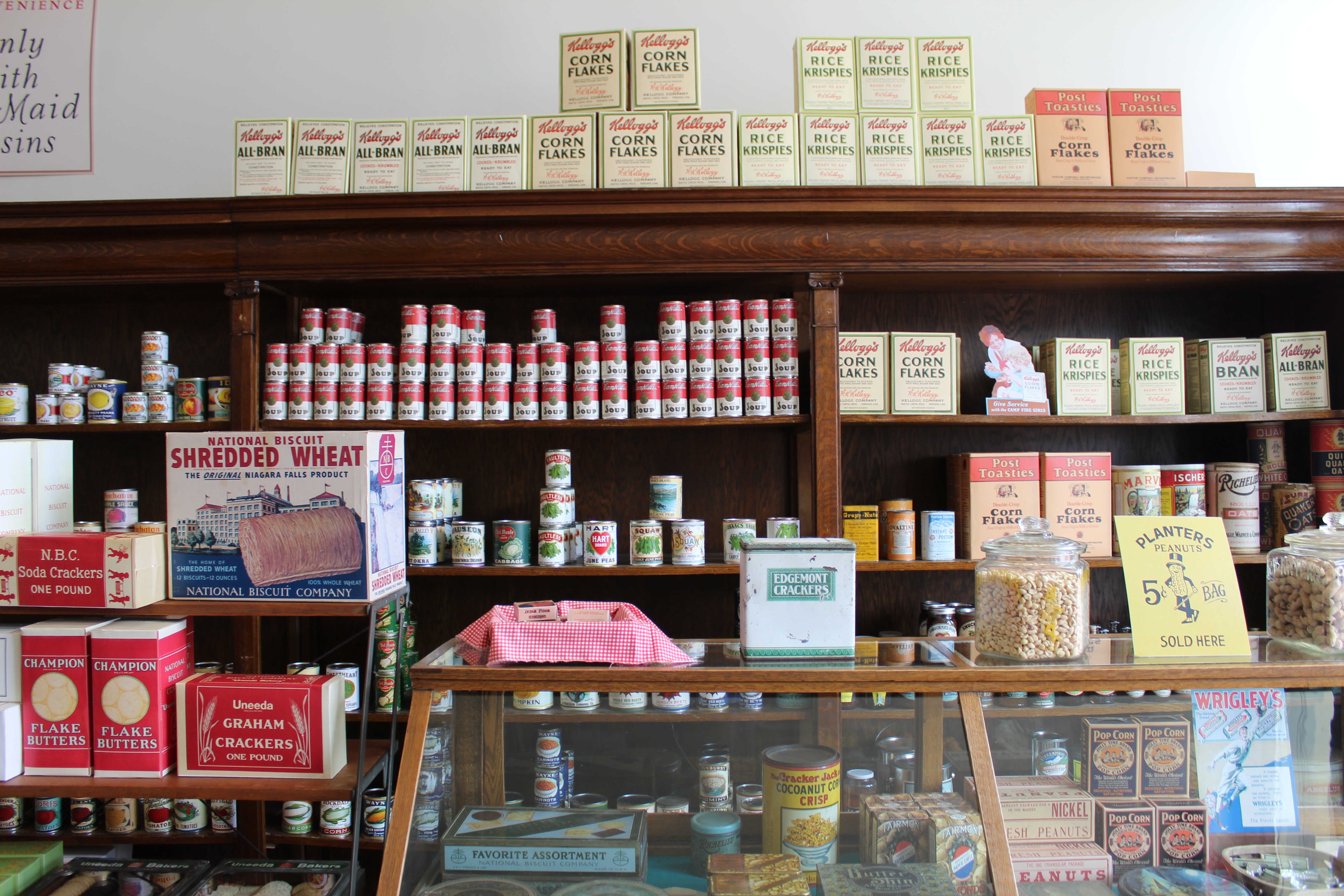
This is an example of a 1900’s green grocery store. It offered basic staples to meet everyday needs beyond meat and fish such as vegetables, cheeses, bread and prepackaged foods.
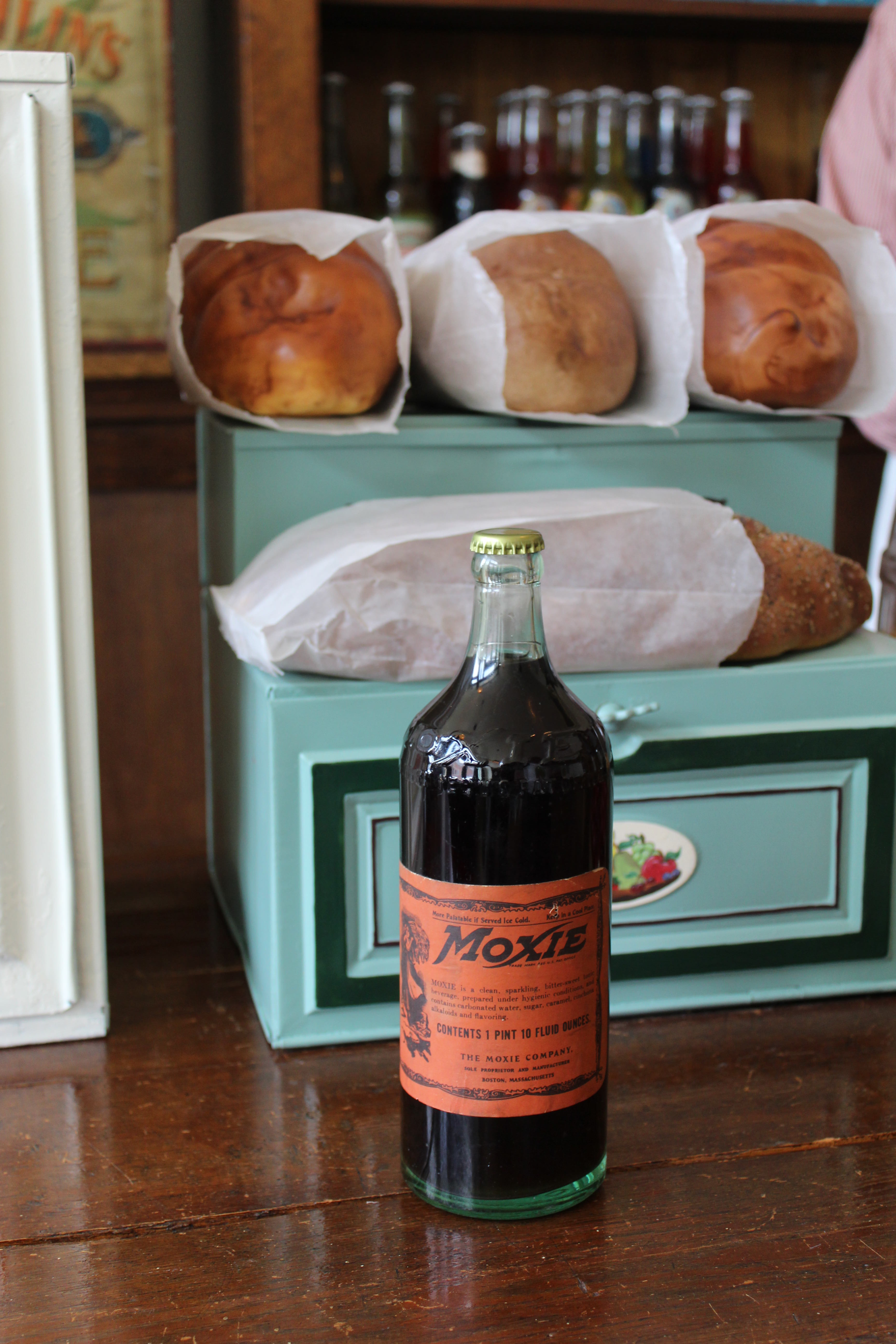
Have you every had this before? This is a brand of carbonated beverage that is among the first mass-produced soft drinks in the United States. It is considered Maine’s official state beverage. I have no idea what it tastes like ,though, I’ve read that it tastes something like root beer but with a bitter aftertaste. I believe I’ll pass on it. Oh, and yes it is still sold today.
This is the local post office which was often found in the grocery store. I’ll take a loaf of bread, a box of cereal and a book of stamps, please.
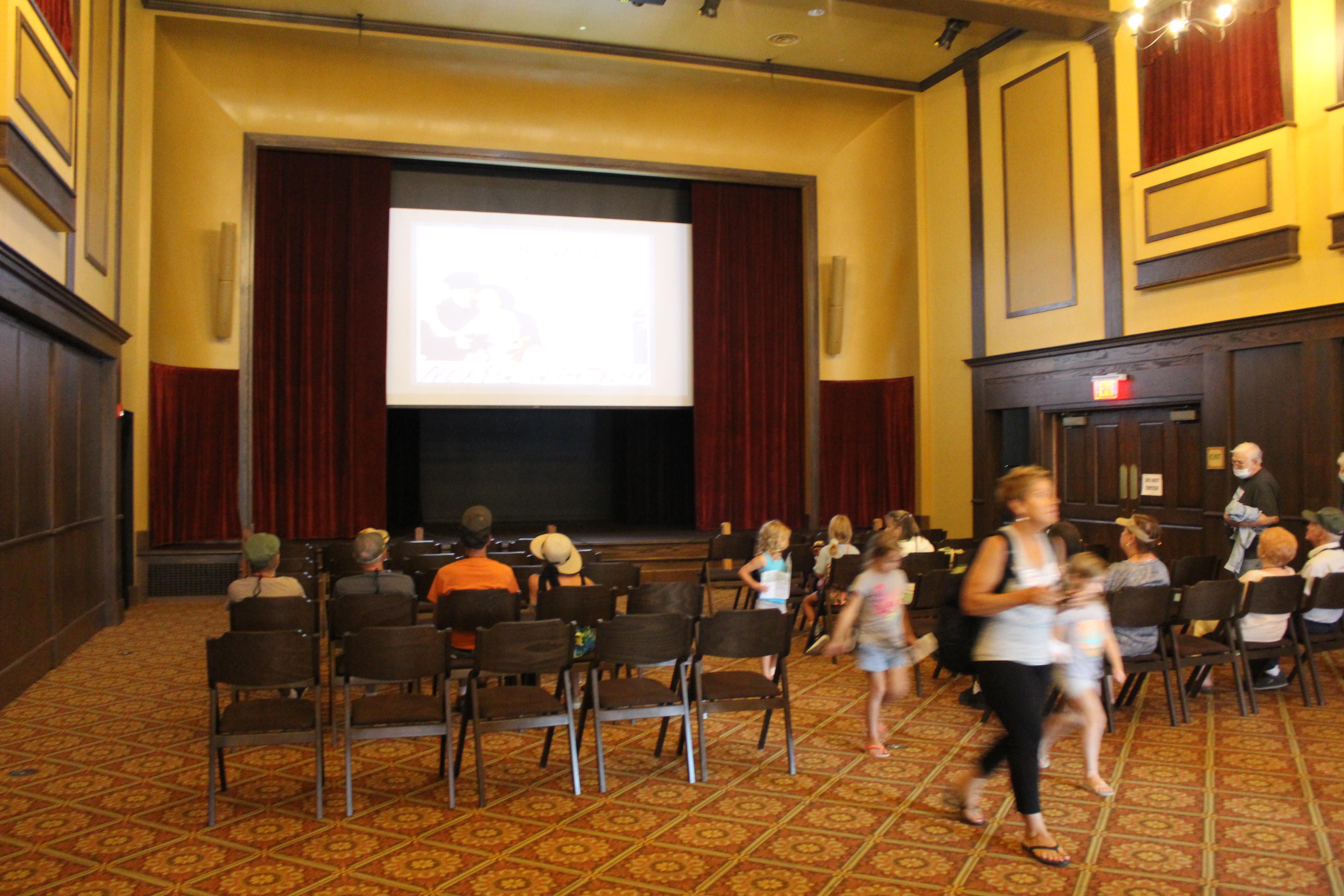
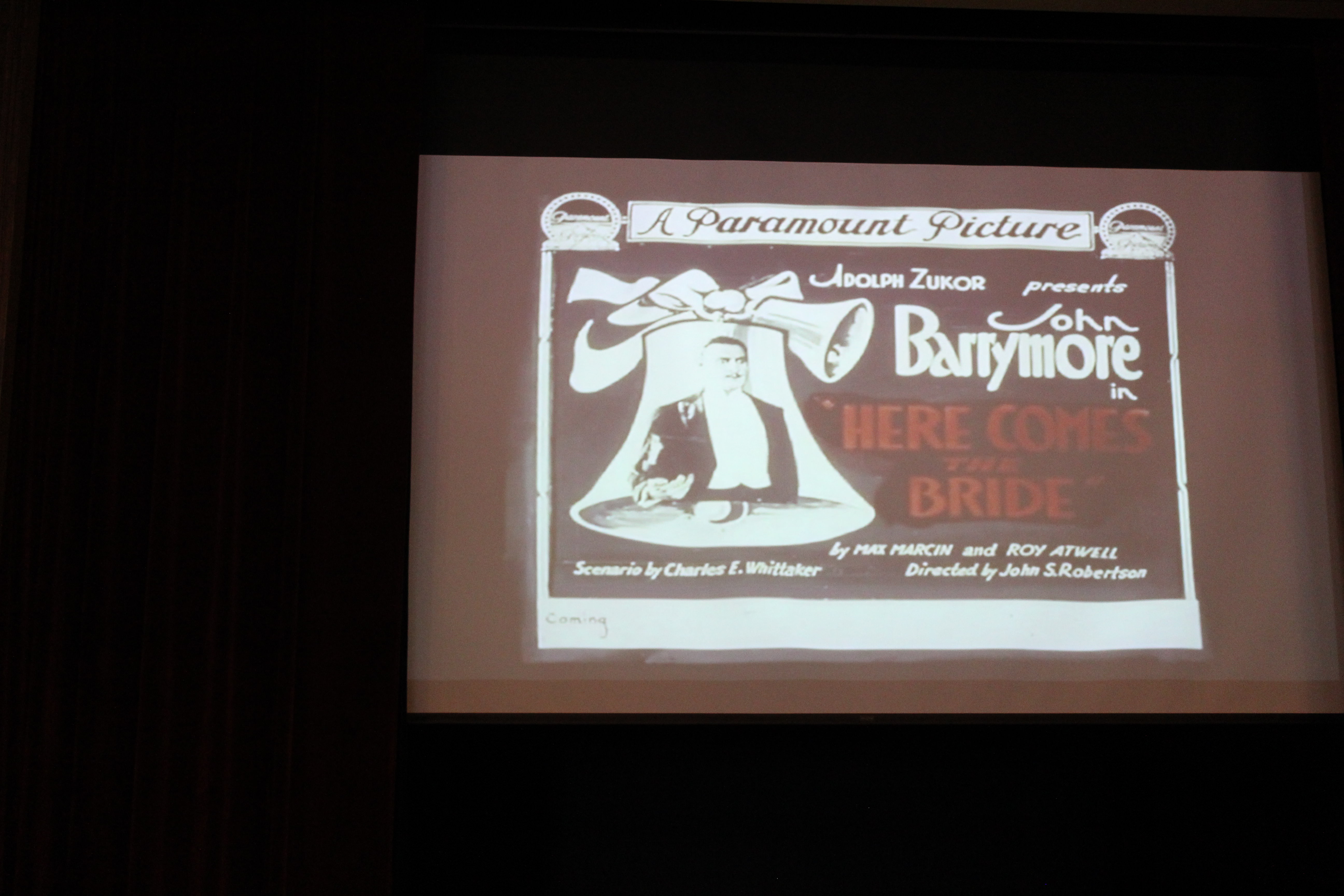
This was a great place to take a break and watch some film clips of silent films. I watched and wondered how in the world they did some of the stunts. They really had everyone laughing in the theater.
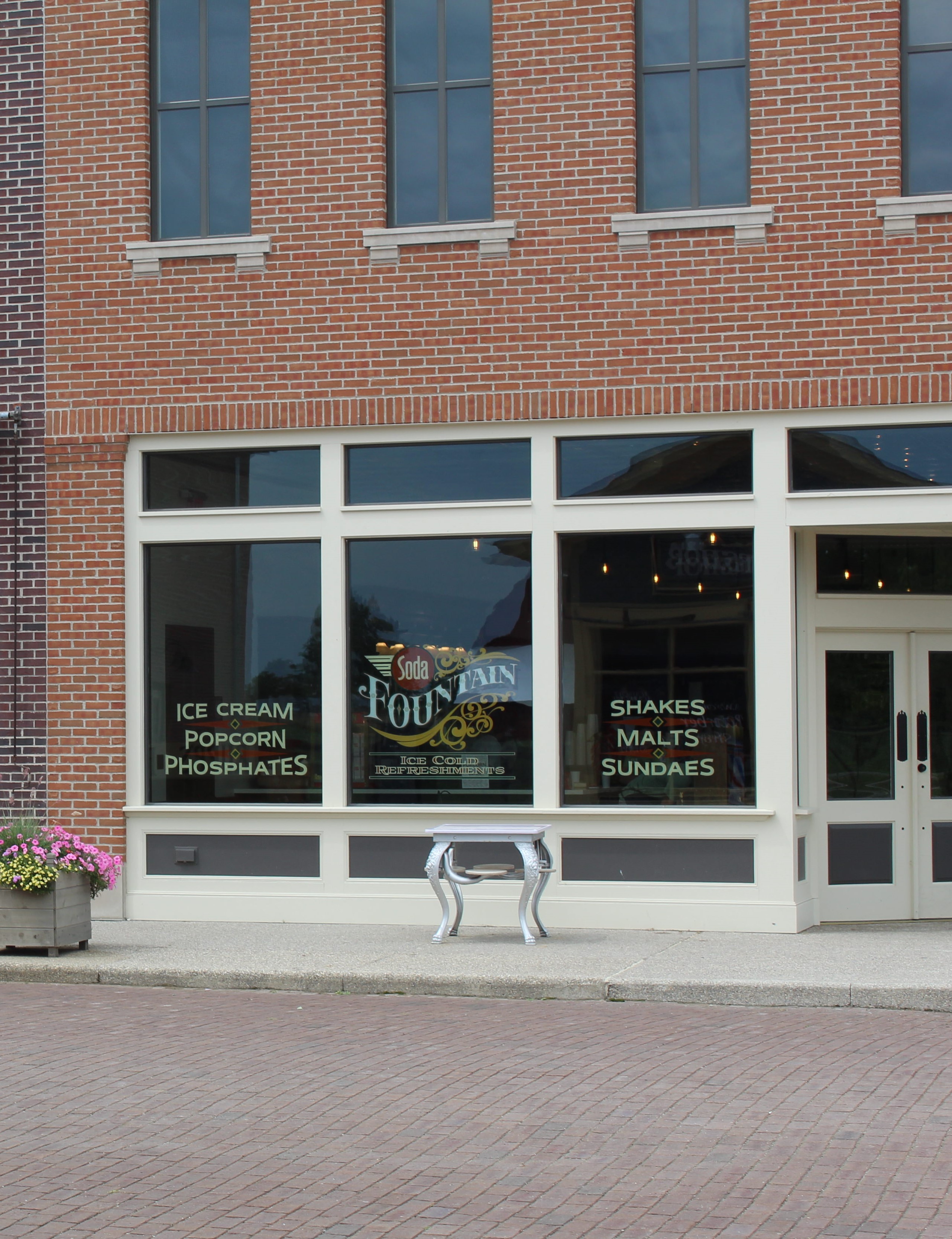
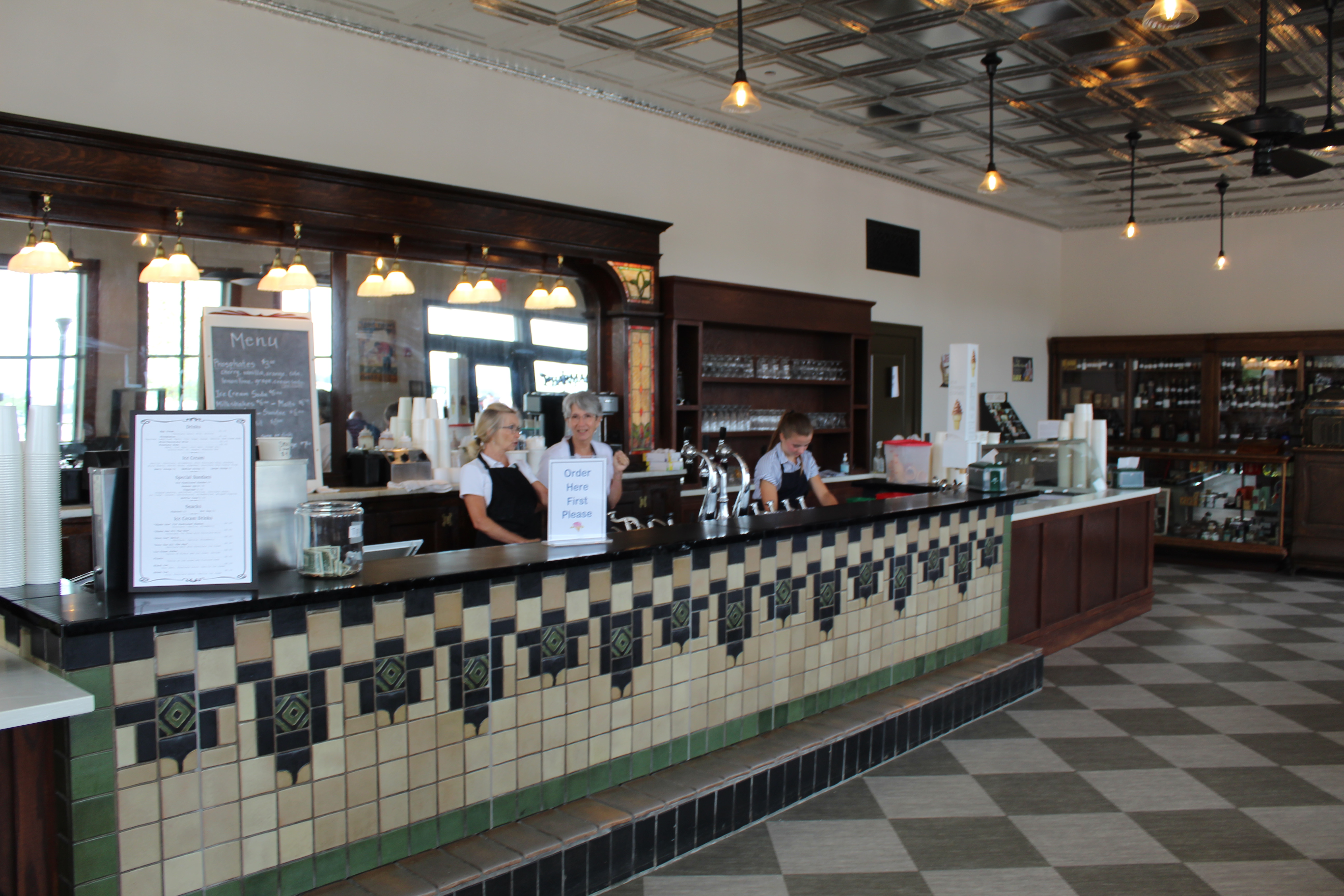
This is where we ended our final day. They offered home made ice cream and I was not about to pass it up. Oh, it was so delicious and they were so generous in the portions they offered.
Our time in the Village has come to an end. There is more there that I was not able to include in the blog. But I’ve covered the majority of the Village. We didn’t do it in 3 hours, it didn’t take us 2 weeks, instead it took us 2 days and we could have spend a 3rd day there if they had only offered a weekly pass. We had a delightful time, especially watching the various guides show us how things were made way back then. Life was definitely different back in the 1800’s and the 1900’s and quite truthfully I’m glad I’m living in the 21st Century.
Let me encourage you if you have a “bucket list” of places you would like to visit put Sauder Village on that list. It is a great place to visit and learn. In addition they have two great ways to stay – a room at the Inn or a site at the Campground. We’re glad we made the trip here.
Thanks again for spending some time with us. It’s always great to be able to share our story with family and friends. Comments? Feel free to share them with me. And always remember, cherish every moment of every day that God gives you and live those moments to the fullest.
Our continuing mission remains the same: to explore as many new states as possible, to seek out new acquaintances and make new friends, to boldly go where we have not been before.
Temperature 86 Degrees, Abundant Sunshine, Clear Blue Skies
Sauder Historic Village
When I first booked our site here for two weeks I was under the assumption that it would take us that long to work our way through the Sauder Complex. Well, I guess I should have done a bit more research. Ms. Barbara informed me that her research showed that the average amount of time to tour the village is 3 hours! Now, what do we do with the rest of the 2 weeks? In the end we’ve found a number of interesting attractions that we are going to visit. We also will be meeting up with my son Paul to see his new house in Findlay, Ohio. The bottom line is, we will not be bored.
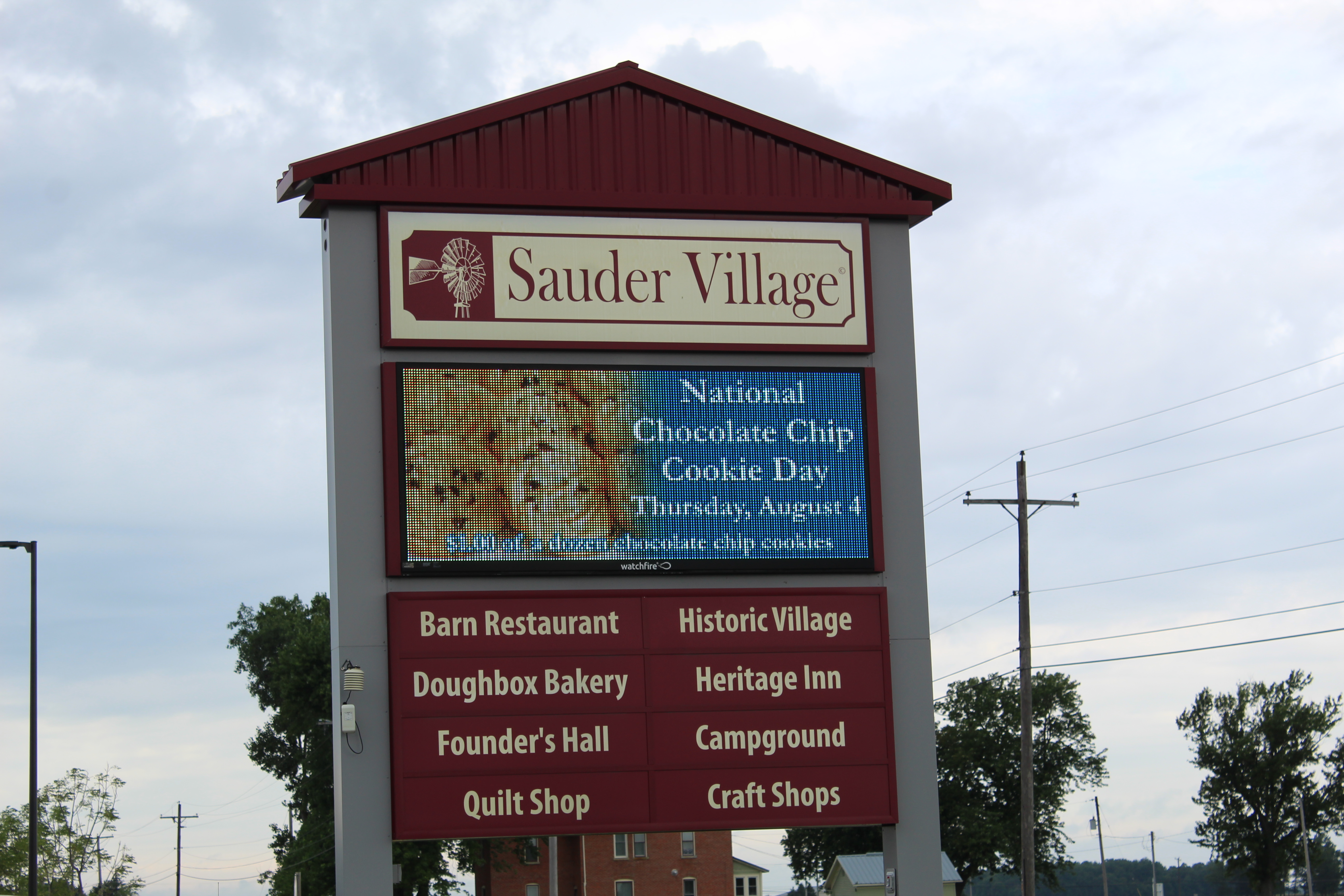
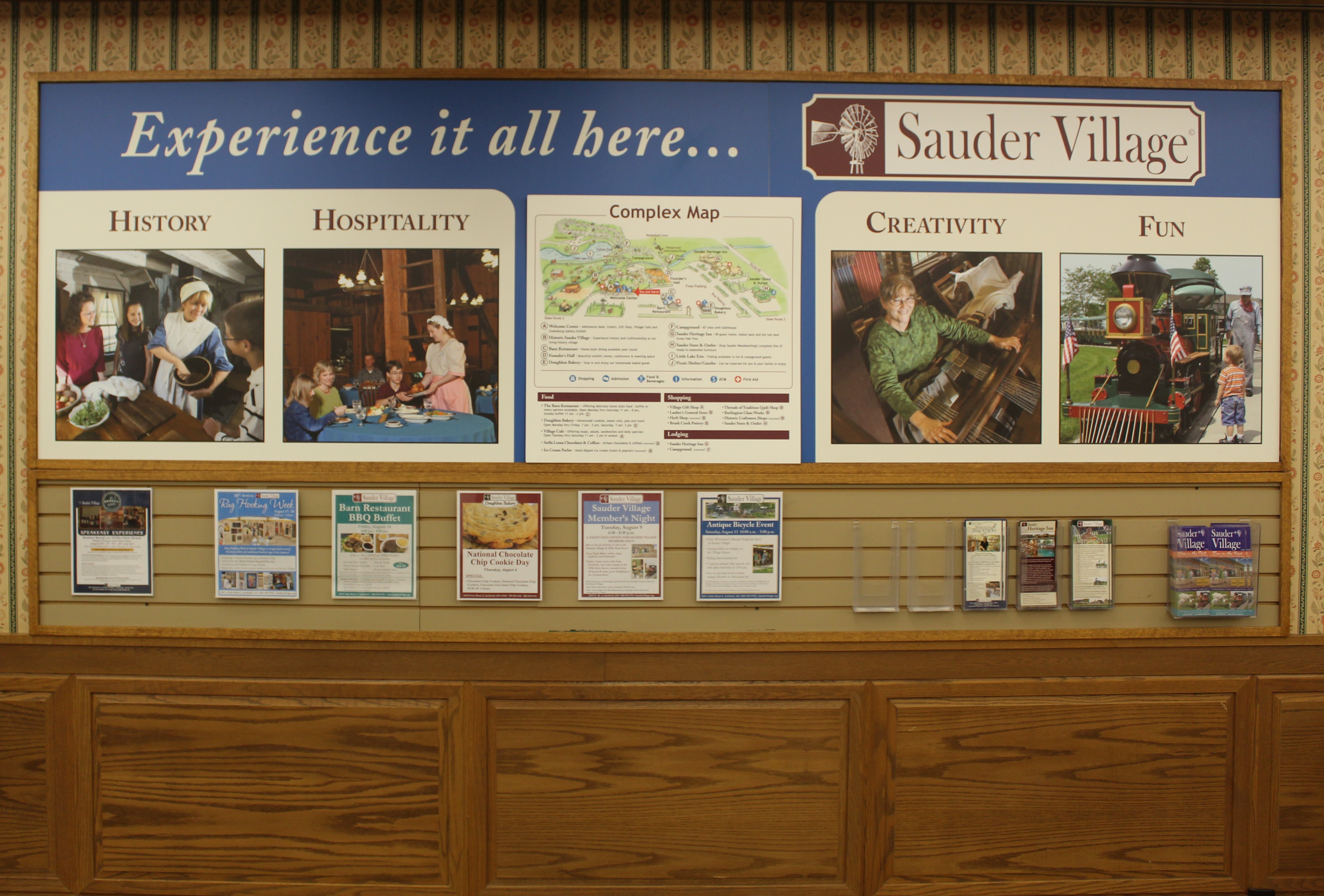
OK, let’s talk about Sauder Village. It is indeed true what the welcome sign says when you enter
You can do as much, or as little as you want. You can just breeze through all that the Village has to offer – I would not suggest doing this; or, you can slow down and take the time to immerse yourself in all that is here – what we chose to do.
Now it is important to note that the Village and everything that surrounds it began with one exceptional man.
The life of Erie J Sauder is one of courage, compassion, great faith, persistence and the ability to triumph over all of life’s obstacles. As an example, in order to become the company that Sauder is today Erie had to rebuilt his company not once, but twice due to fire. In 1936 fire destroyed the machinery and most of the orders he was working on. This resulted in the building of a new factory. However, in 1946 fire completely destroyed the new factory with all of its machinery, orders, inventory and his beloved uncle also unfortunately lost his life in this fire. Once again he rebuilt his business and then went on to make it what it is today. His life story is a remarkable one and if you ever have a chance to Google it and read it, you will be amazed at what he accomplished in his lifetime.
Regarding Sauder Village as a whole. Today it is
Ohio’s Largest Living History Destination.
We decided first to tour the Historical Village. How did it come to be?
What is said about a tour of the Village is as true today as ever.
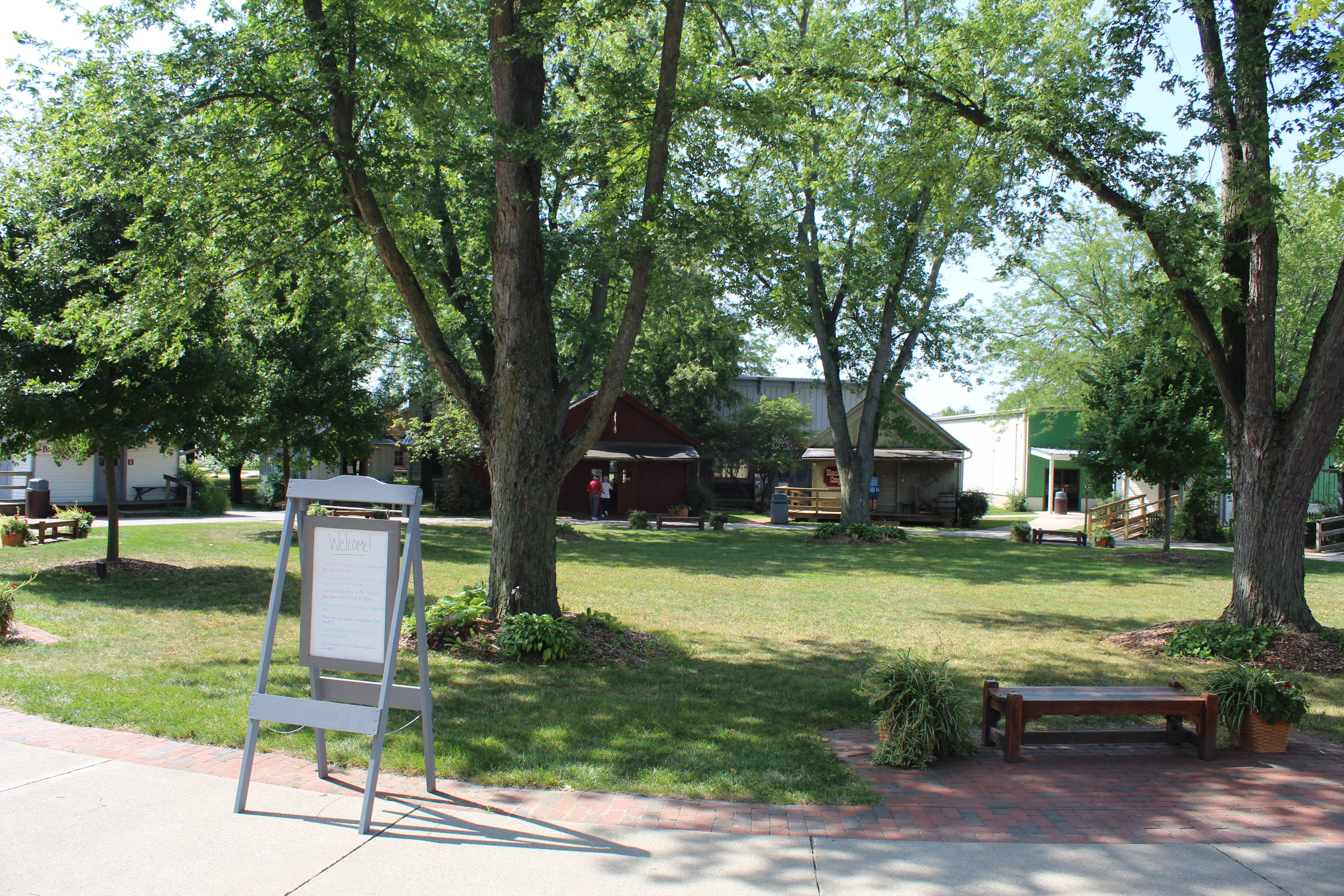
OK, put on your walking shoes and let’s begin our tour of the Village. After you purchase your ticket for the Village you walk out the door and there in front of you is the
Village Green. We’ll now move around the Green in a clockwise direction.
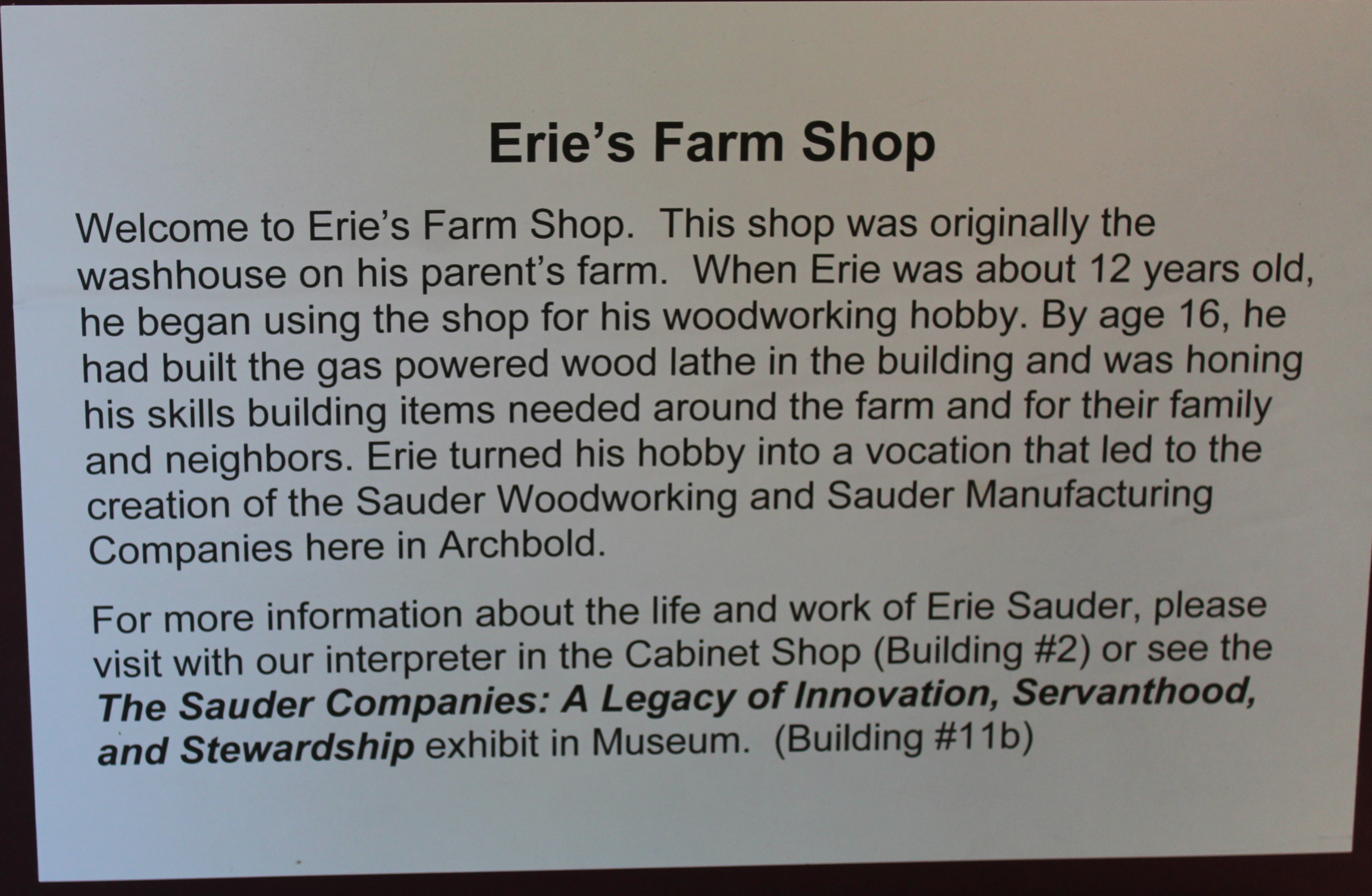
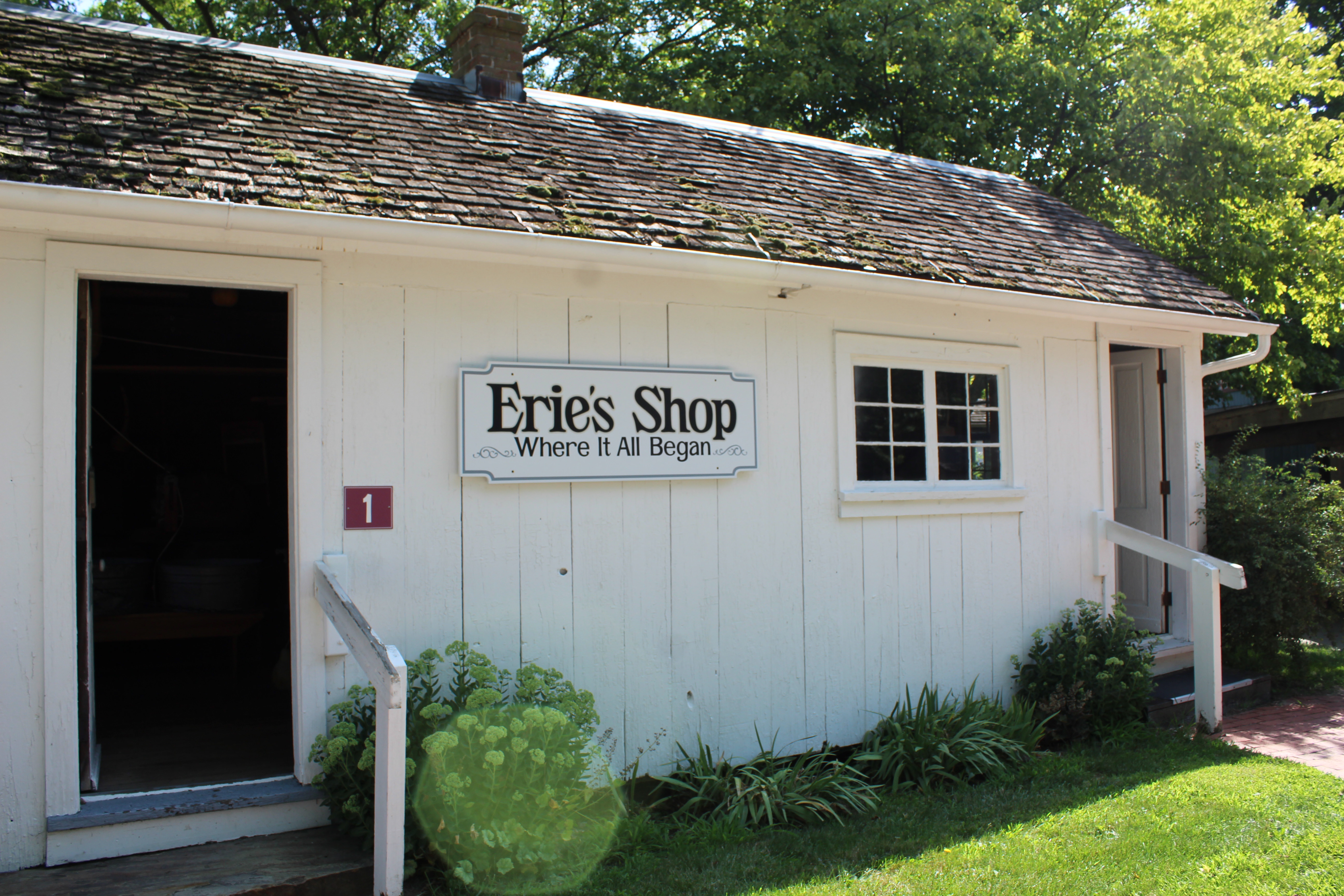
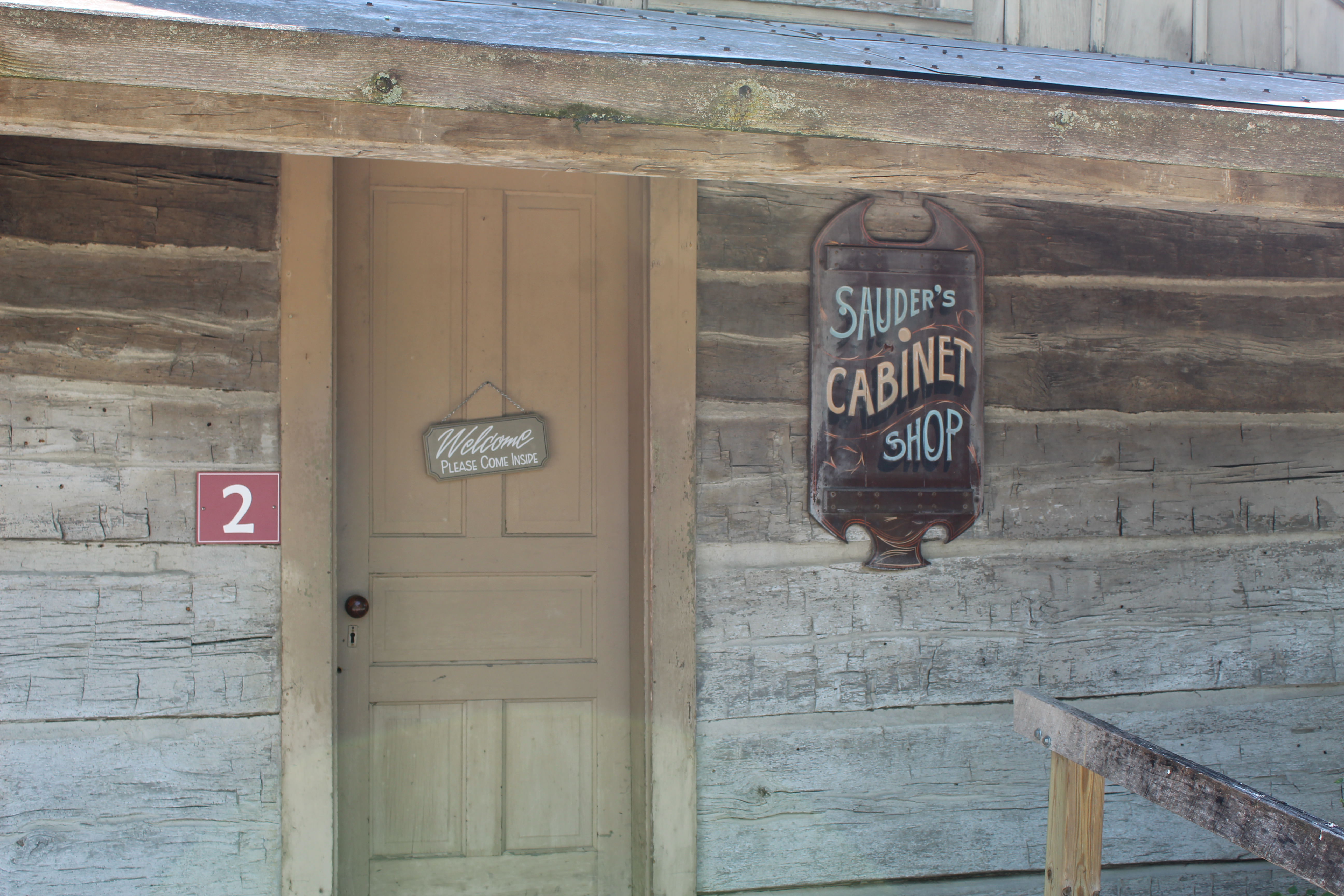
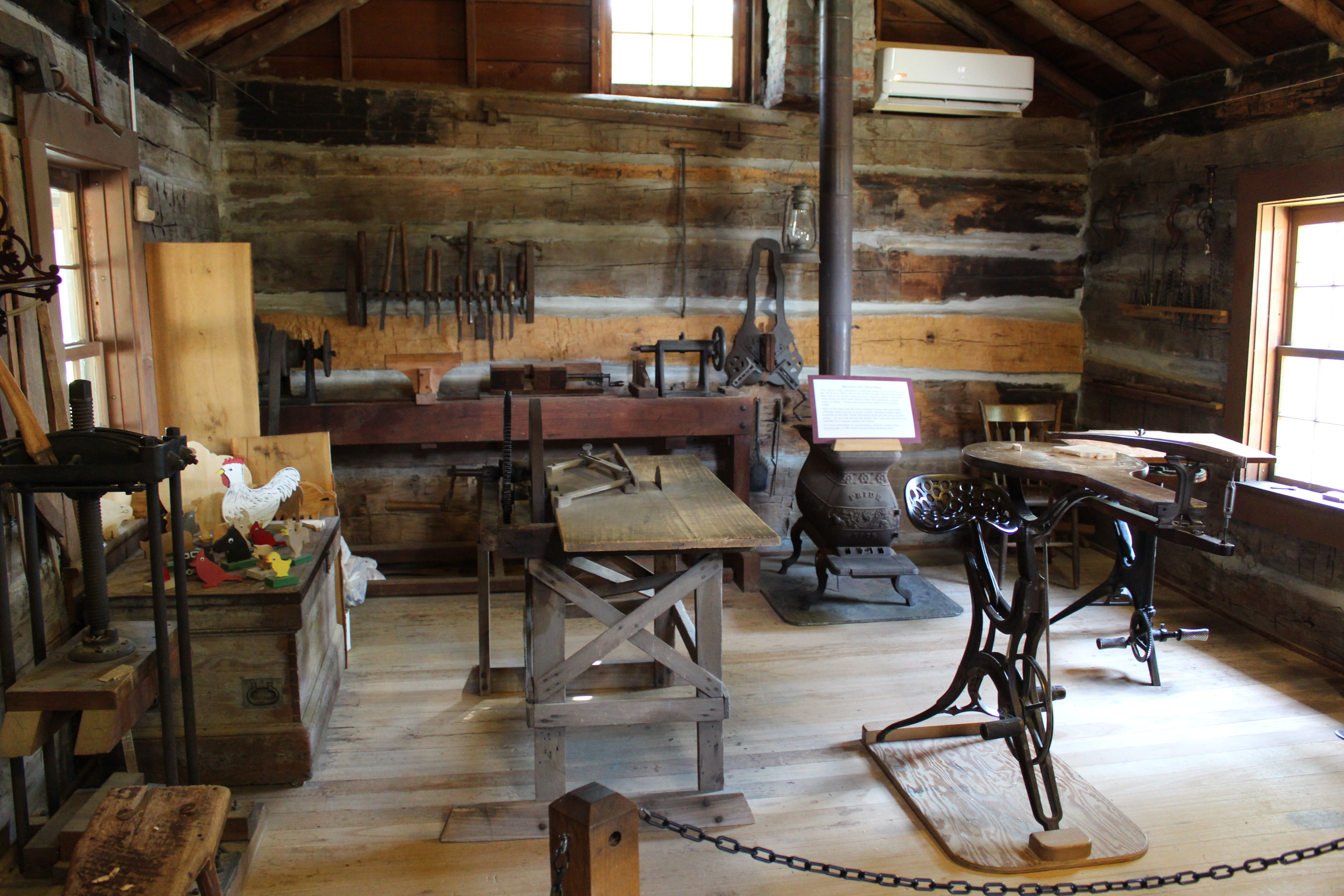
From this little washhouse would come a company that today is worth billions of dollars.
Notice the wooden chicken painted white off to the left in the above picture as well as the other animal shapes around it, well
this is how they were cut out. The gentleman is using a pedal powered saw to cut the images out of a piece of wood that he had traced the image on. This is the way it used to be done.
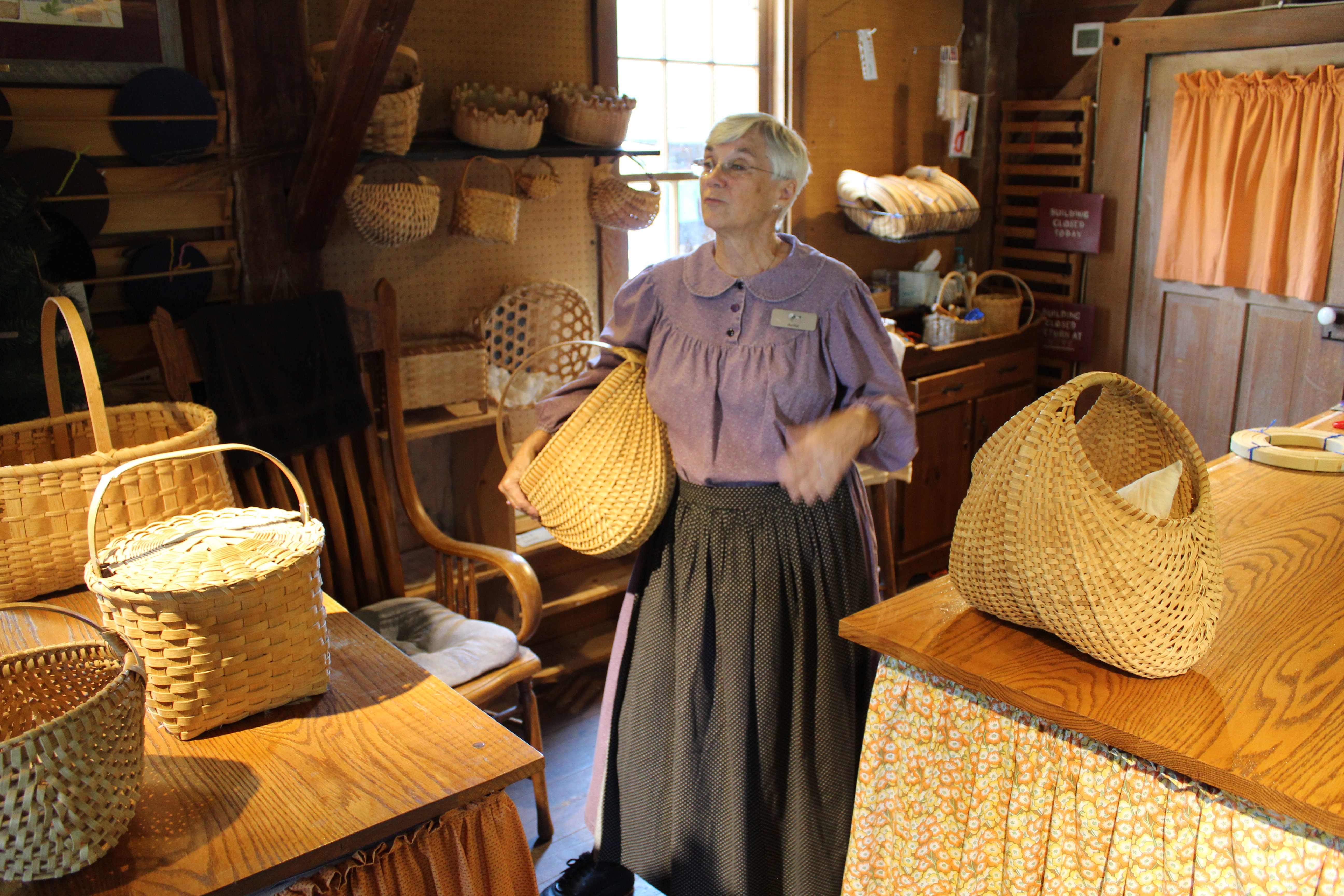
Next is the Basket Shop where talented basket makers are at work every day making a variety of unique baskets.
See if you can figure out who would usually receive this kind of basket?
This basket was typically given as a wedding present. Inside the basket was a chicken, a source of eggs and eventually a meal for the new bride and groom.
This is the type of basket you would take with you when you went to the garden to pick fresh vegetables.
Our docent told us it was usually carried on the one hip, leaving the other free to carry the baby on!
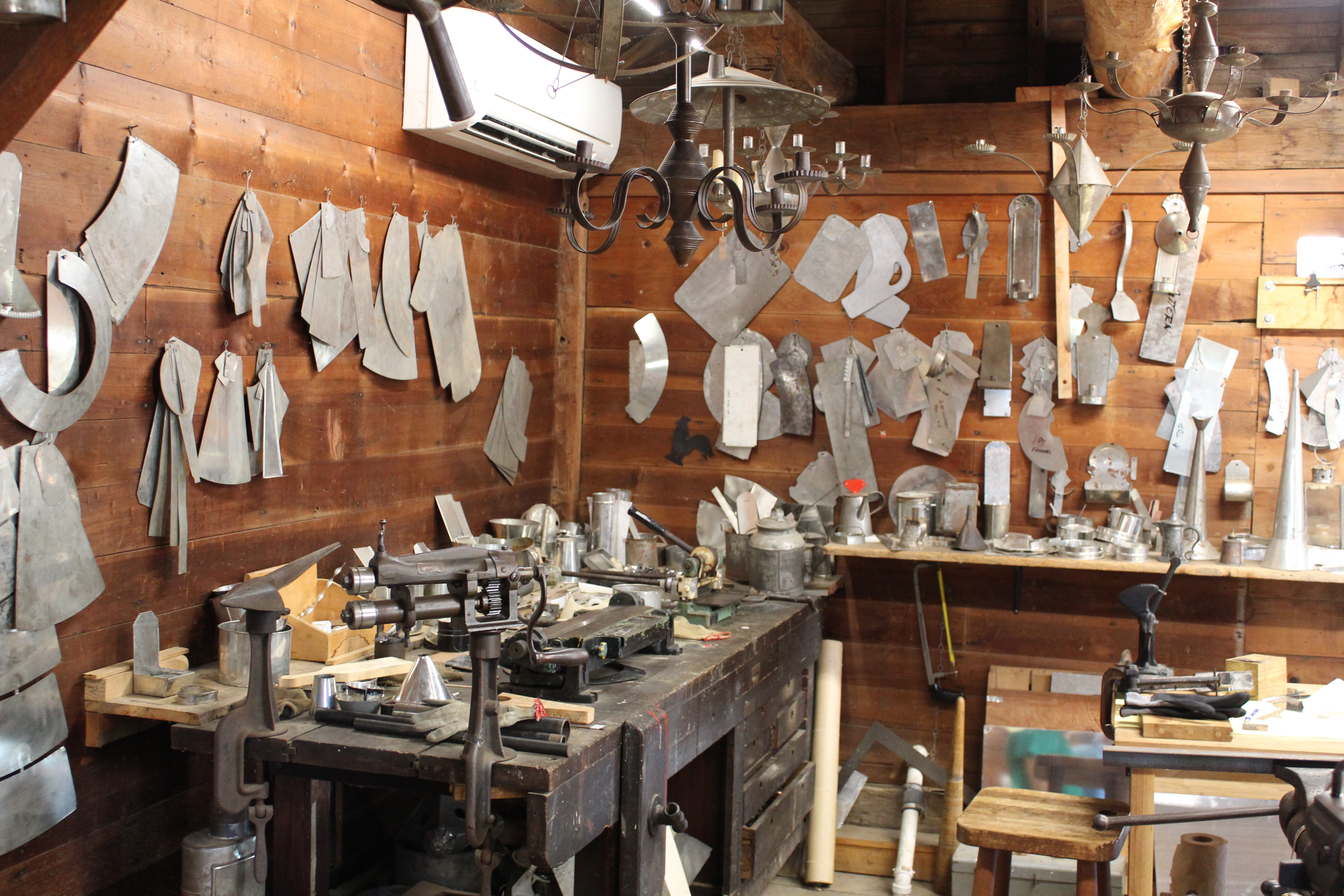
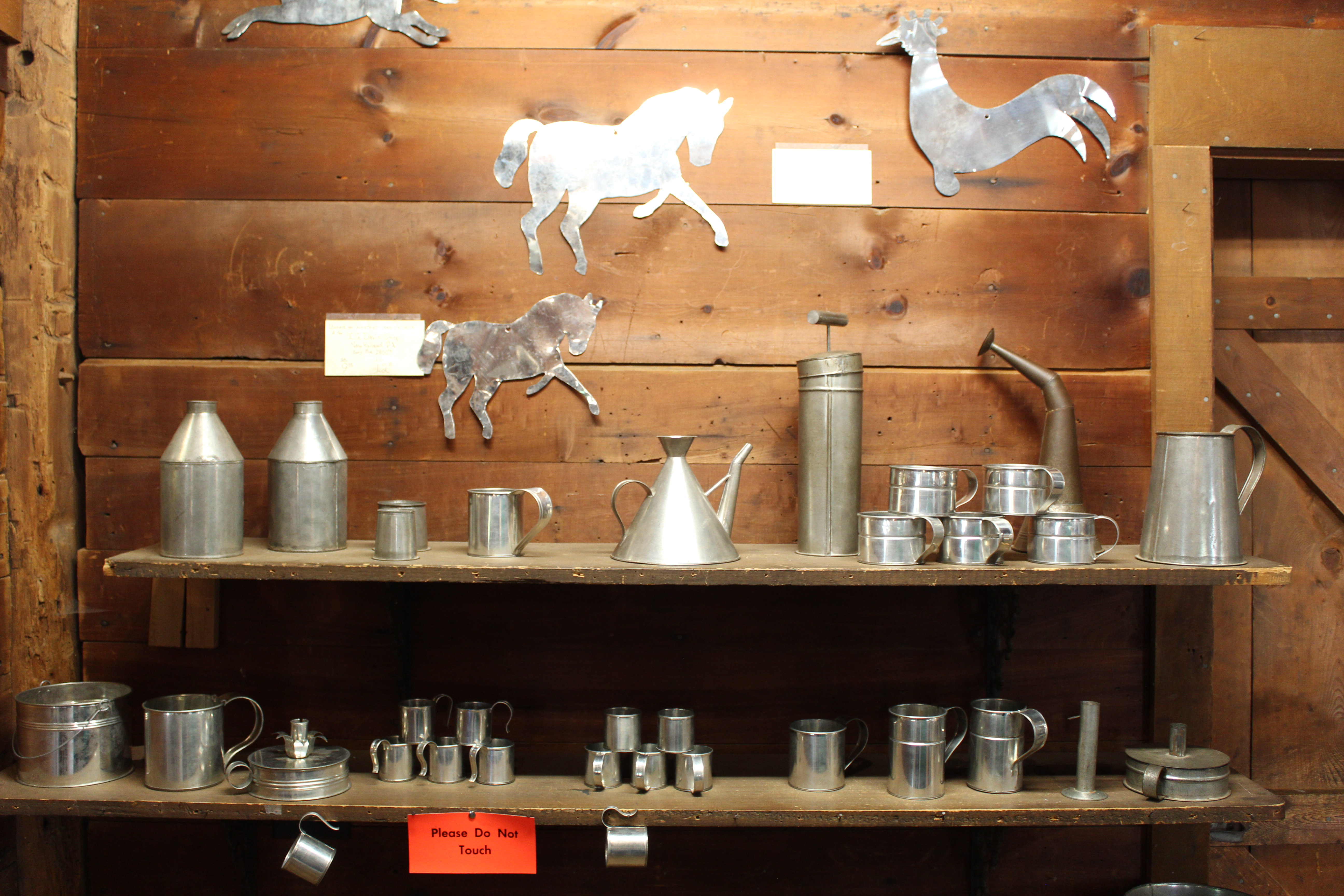
Moving on we come to the Tinsmith Shop. In this shop, reproductions of 1700’s -1800’s traditional tinware is created.
From pieces of tin come items like this
and this
and this. Anyone have any idea what it is?
This is an agitator! On wash day using two hands you pushed it into the wash water, it would grab on to a piece of clothing and you would push and pull that piece of clothing back and forth to clean it. When you were done with that piece, you moved on to a second piece, and so it went until all the clothes in the wash tub had been done. Sounds like fun, hey? I think not.
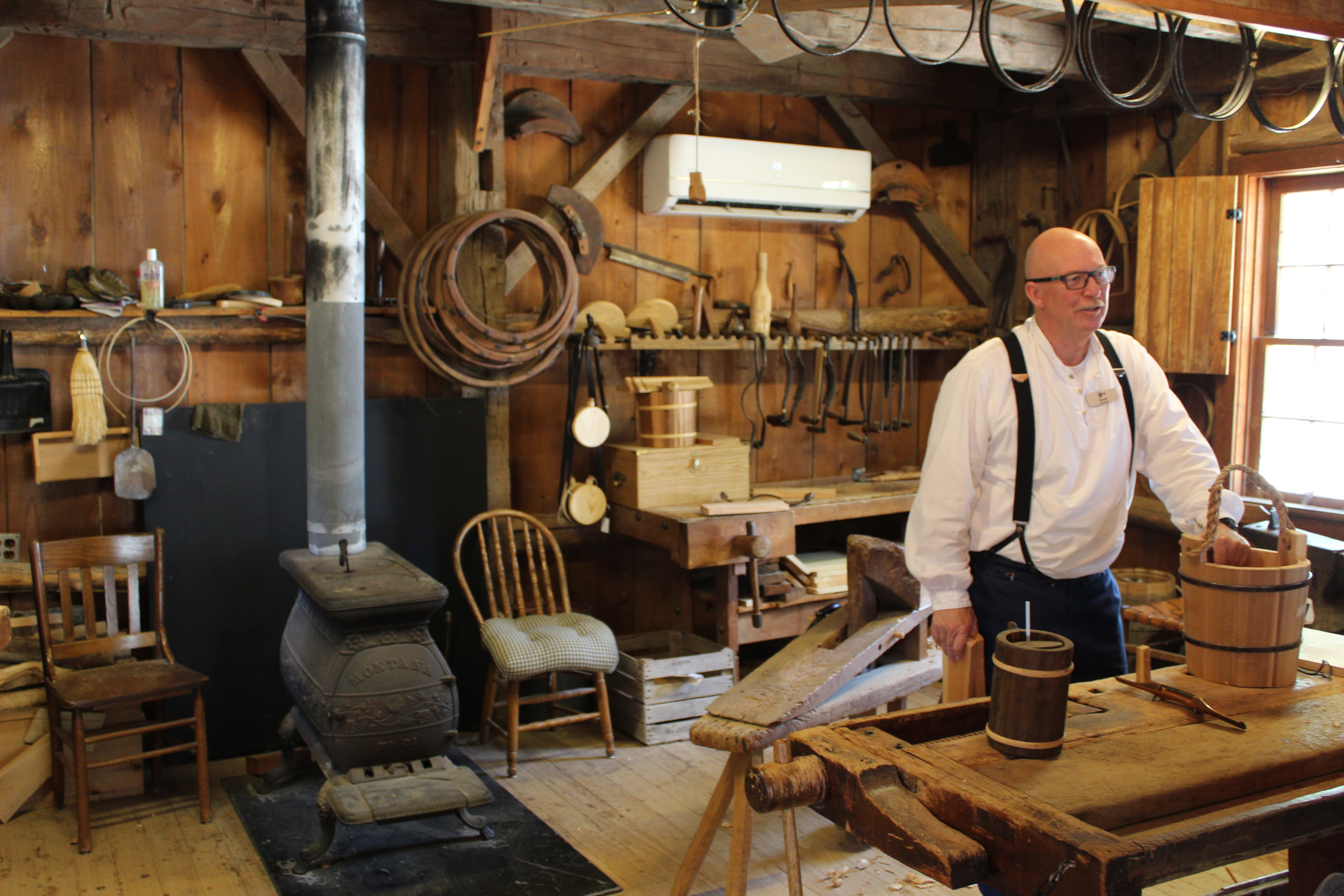
Next shop we visited was the Black Swamp Cooperage. Here we watched and learned how coopers used tools and techniques that have changed little over the years in the making of wooden buckets.
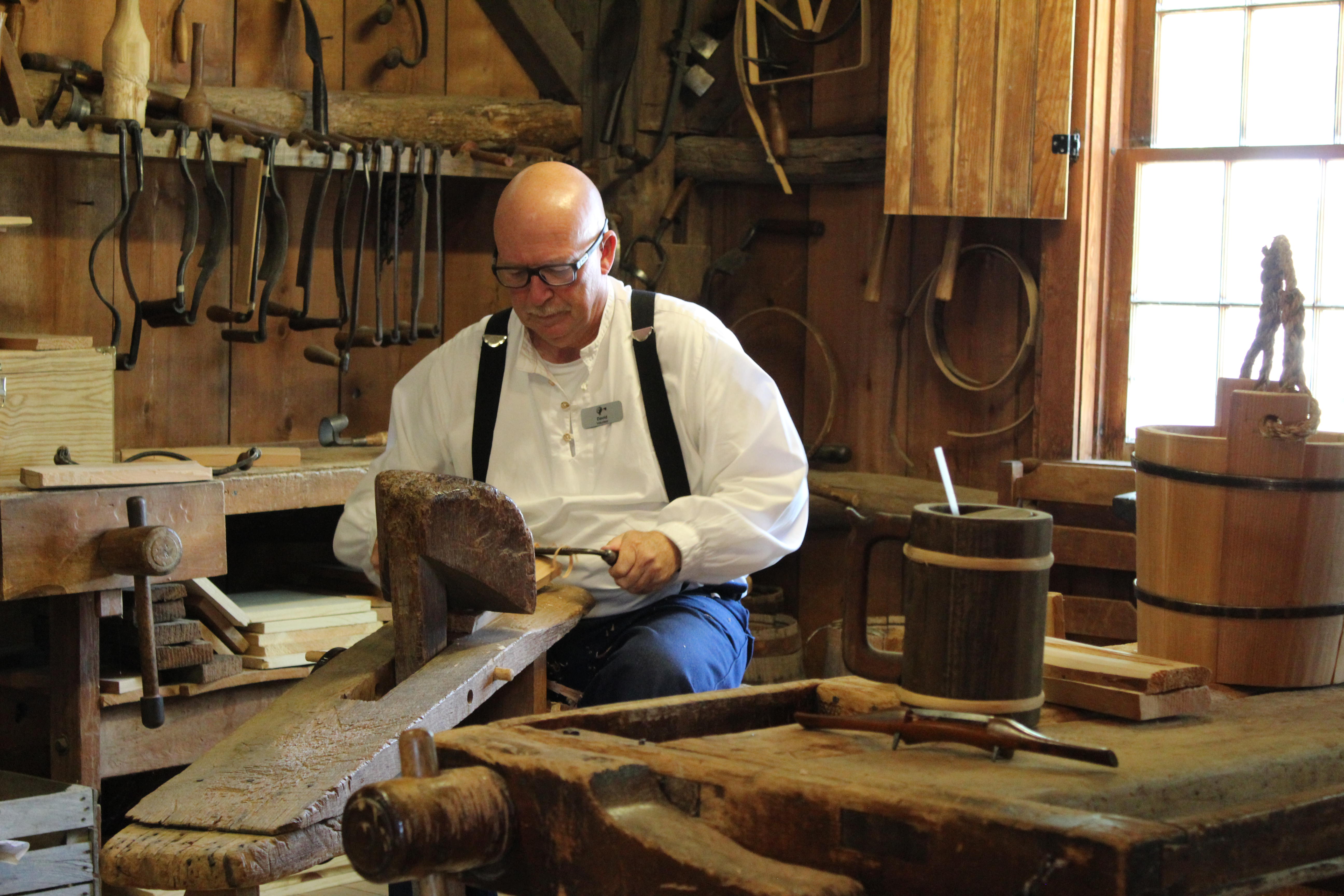
Meet David a current cooper in the shop. When I asked him how long it took him to learn this trade he stated he had to work 3 years as an apprentice before he was certified as a cooper.
He explained and often illustrated the many steps that went in to making a sturdy, hand made, water proof bucket. Anyone notice his beverage cup? A handmade little bucket! By the way anyone know the German word for what David is sitting on while he is shaping that bucket stave?
He also explained how to tell a genuine hand made wooden bucket from a manufactured one and that is – in a hand made one each stave in the bucket will be a different size.
As for what David is sitting on in the previous picture it is a Schnitzebank. How about that now you can speak German. Or if you prefer simple English it is a carving bench.
Moving on, we come to St. Mark’s Lutheran Church. Now, I know what you’re probably saying, one church is just like all others. That’s what I was thinking and I almost passed this by but am I ever glad I went inside.
That wonderful lady by the name of Linda is the reason I’m glad I went inside. She has a very special and remarkable talent which is
the ability to play the old fashioned pump organ like no one else. She played several of our favorite hymns for us and we absolutely enjoyed the music. Thank you Linda.
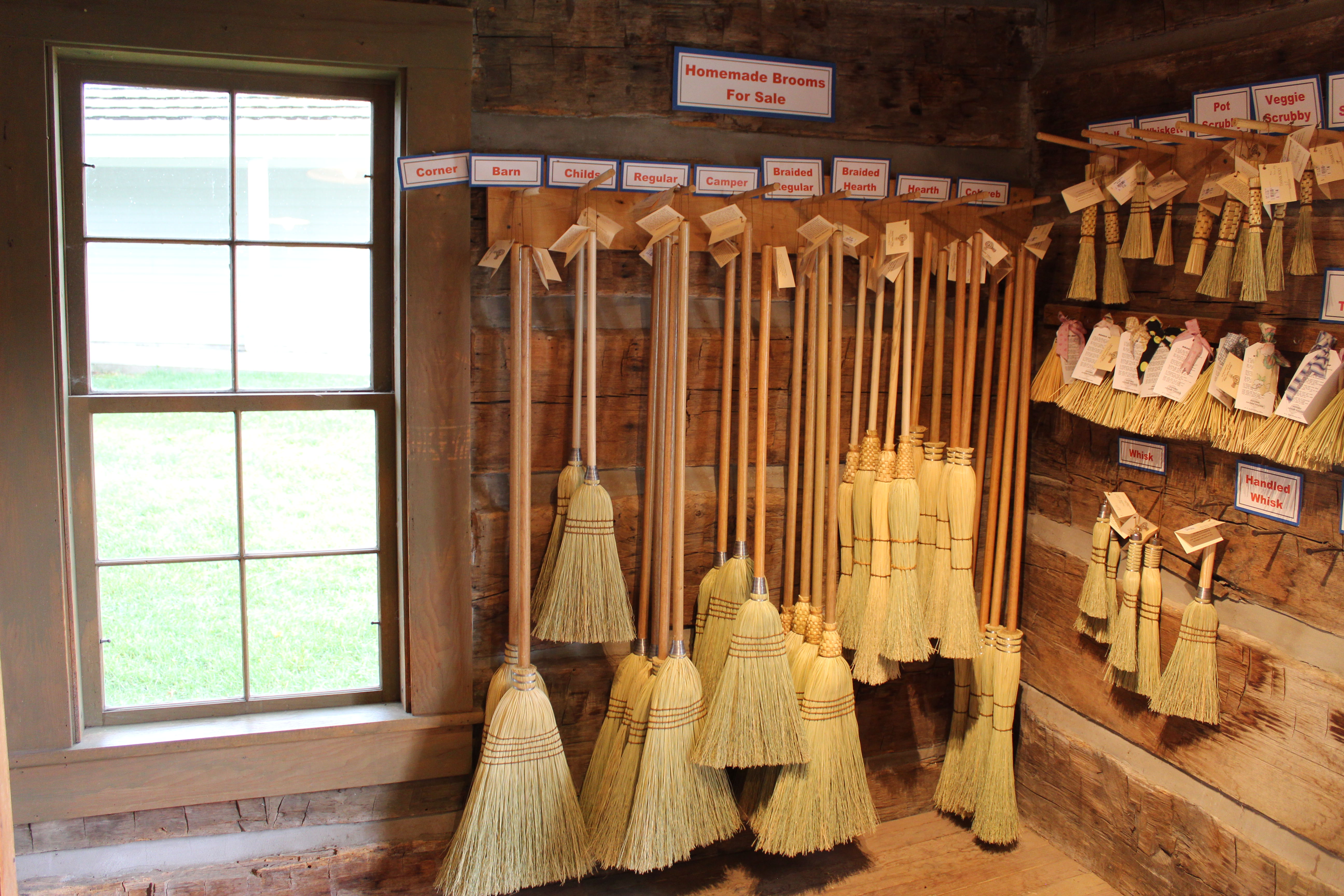
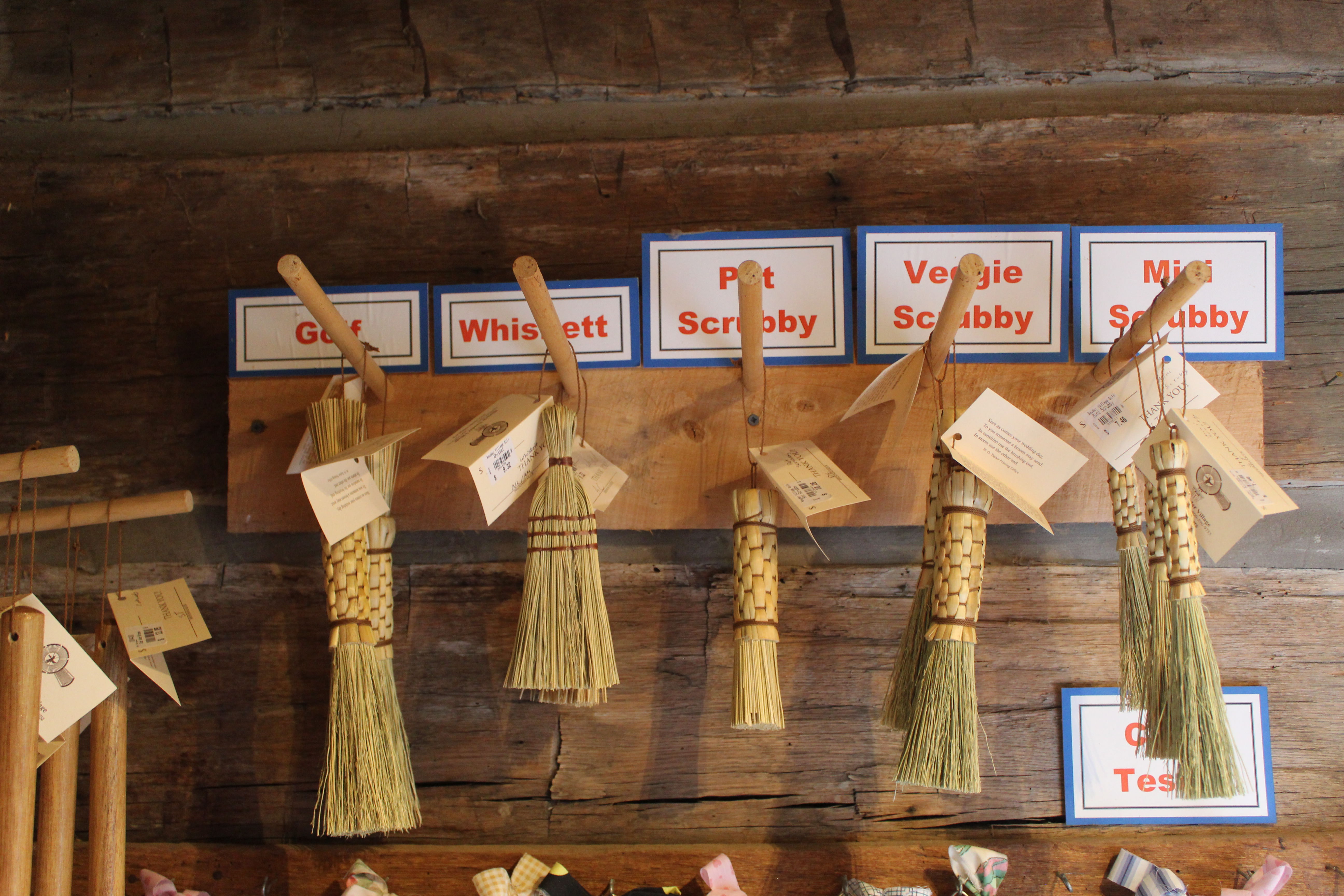
On to the next shop and it is the Broom Shop.
I never knew there were so many different types of brooms – barn, child’s, regular, camper, braided regular, braided hearth – wait there are more
whiskett, pot scrubby, veggie scrubby – and all of them are made right here in this shop.
The docent in this shop was fabulous. She gave us a complete lesson in broom making and took the time to answer the many questions that we had. I was amazed at how much of a process it was to make just one simple broom. Never mind adding decorative touches which some of the brooms in this shop have.
Today most of this corn we learned comes from Mexico.
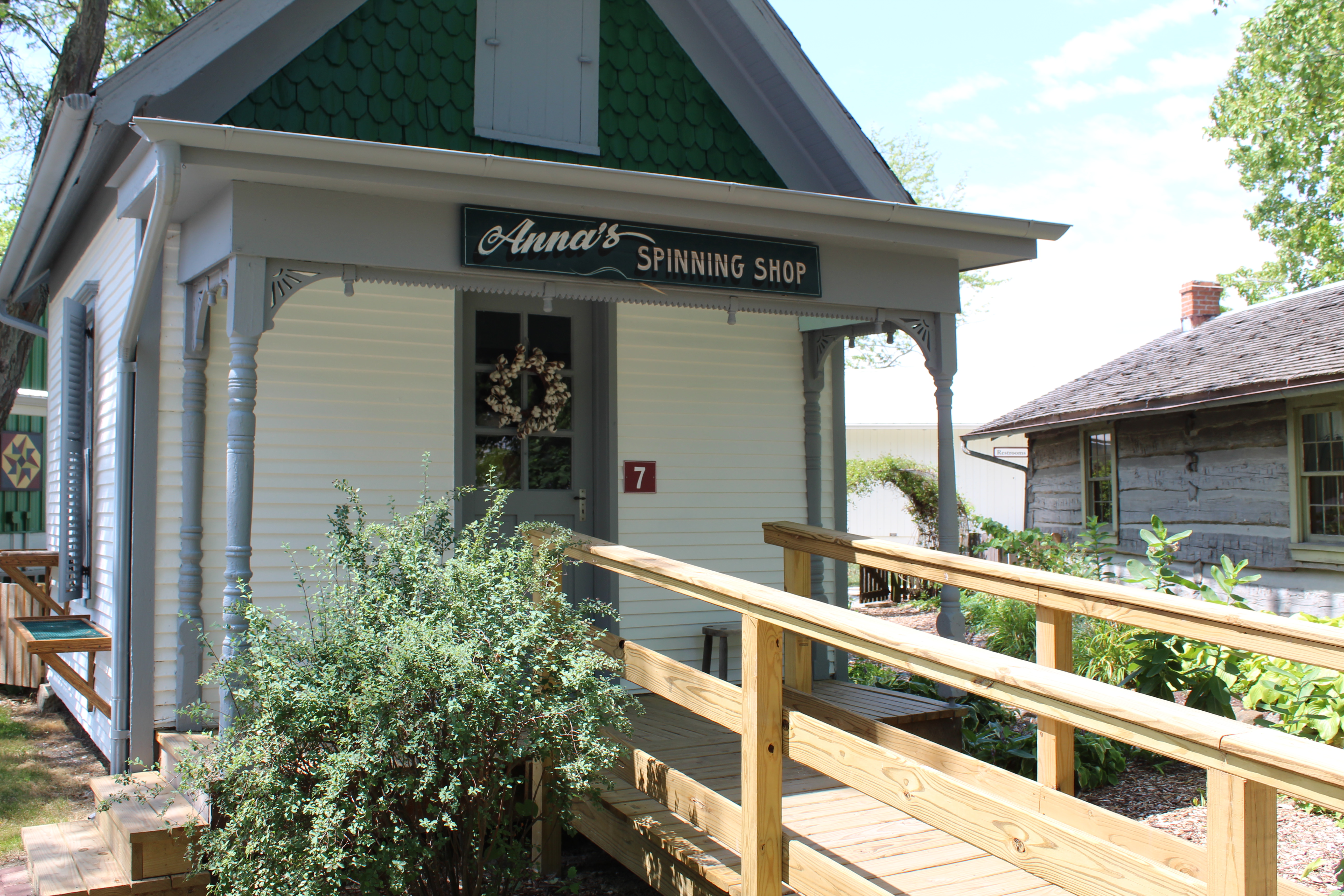
Time for yet another shop and that is Anna’s Spinning Shop.
You start with this, recently sheared wool which once cleaned up becomes
this product that is then
spun into yarn which then is taken to the tailor who will use it to make various items of clothing. Back then there was no such thing as off the rack or let me run down to Macy’s to get something to wear to the gala tonight. Everything was a process that often took weeks.
So we are now through day one. We’ll continue with day two in the next blog. Oh yes, there is quite a bit more to see. Three hours to see it all? That person must have been running from place to place, never stopping to watch and learn, nor read the informative signs. Their loss.
Thanks again for spending some time with us. It’s always great to be able to share our story with family and friends. Comments? Feel free to share them with me. And always remember, cherish every moment of every day that God gives you and live those moments to the fullest.
Our continuing mission remains the same: to explore as many new states as possible, to seek out new acquaintances and make new friends, to boldly go where we have not been before


































 "On The Road of Retirement"