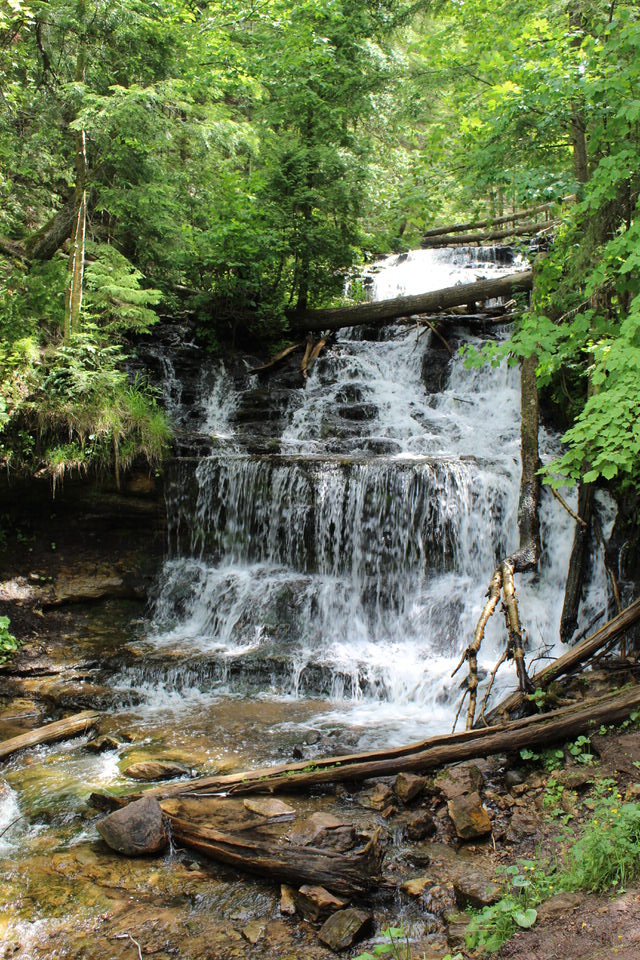
Today, we were going to go digging up bones. More to the point, we were going to Sterling, NY to try to discover what we could about the Burns family. Barbara had already done considerable research with my dad when he was alive and after his passing had continued his work. Since the Burns family came from Sterling, it was a natural starting point for her continuing research. So to Sterling we went so Barbara could consult the town historian, so we could visit the small museum that was there, and then try to locate my relatives graves in the Sterling Graveyard. I will say with a good deal of pride, this was all Barbara and she discovered quite a bit today. Not to mention she walked up and down the Sterling Cemetery in today’s heat until she discovered several grave markers of my really distant relatives. But before we share with you what she discovered were going back in time.
We’re going to go back several days to our visit to the Antique Boat Museum in Clayton, NY. When we discovered that the Walmart in Watertown was no longer allowing overnight parking we needed a plan B. What was in the area? Well, I remembered that friends of ours had visited the Antique Boat Museum recently so I decided to check it out. That’s when I discovered a visit for us was doable.
Here is what we discovered during our time there. We’ll cover some of our visit tonight and another part tomorrow night and then we’ll finish up the night after. There is just that much to see. We had by the way called ahead and received permission to park in their storage lot. Thankfully, we chose at the last minute not to take them up on their generous offer. Once there, we found the lot to be terribly unlevel and trying to stay there would have been a disaster. The option we exercised was to stay at a winery that was part of Harvest Hosts of which we are members. It was the right choice and the perfect place to spend a night.
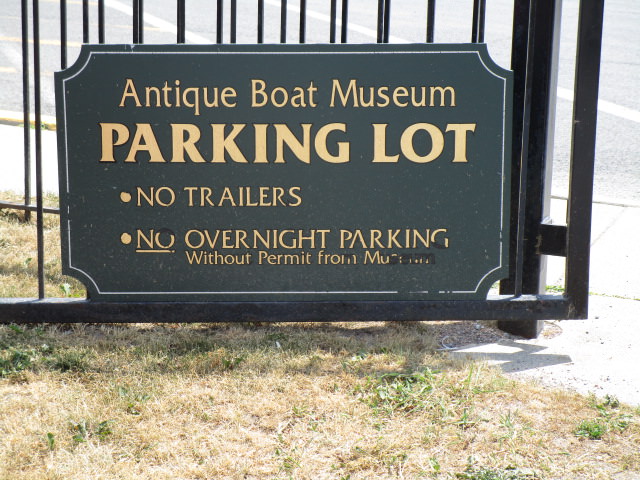
Now for the Antique Boat Museum. We approached the parking lot and saw
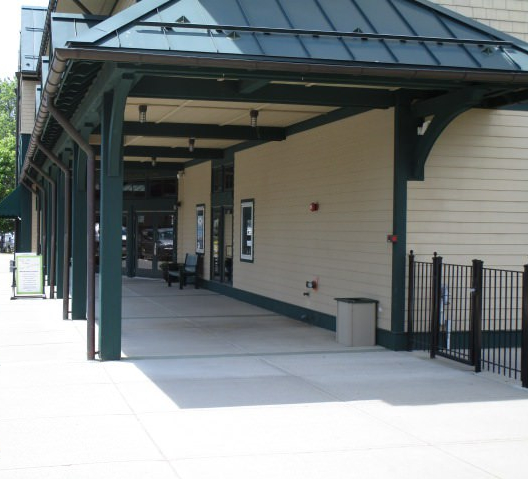
Leaving the parking lot we began the walk to the entrance. This is the front of the main building.
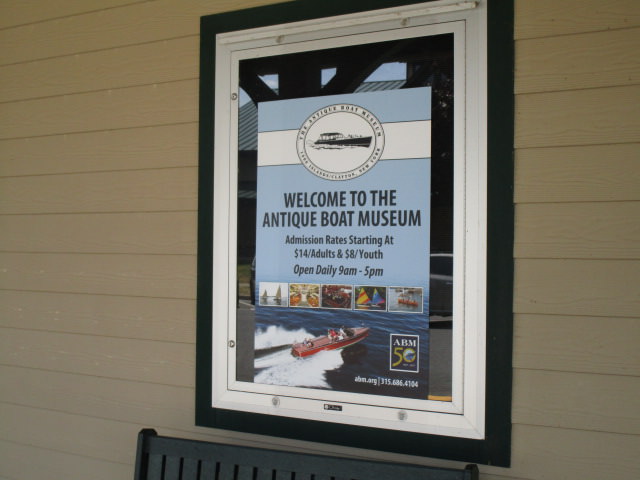
This sign confirmed we were in the right place so we proceeded to the visitor desk.
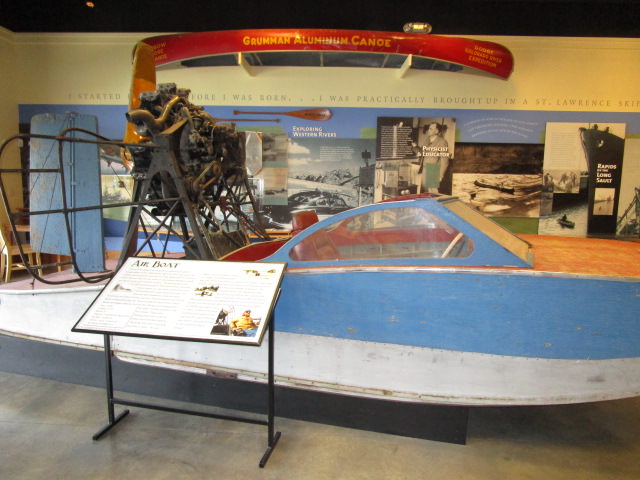
This is an unrestored air boat that was on display in the lobby just past the desk. The air boat has remained a constant form of transportation in the 1000 Islands for over sixty years. Air boats are user boats and built as such. A painted plywood hull, a re-purposed car seat and whatever could be found to power it.
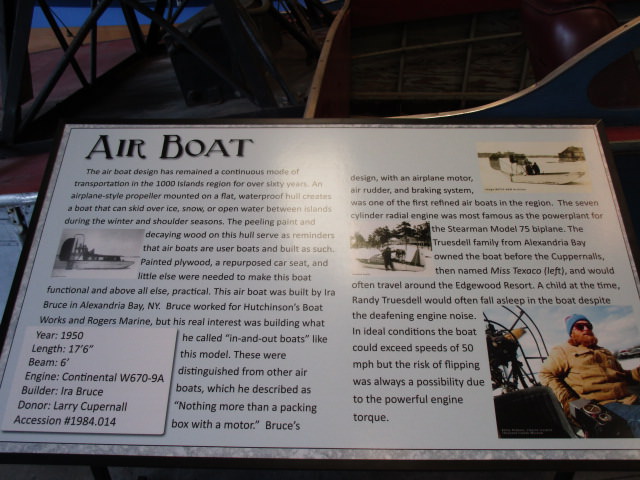
In this case, the engine of choice was an air cooled radial power plant from a Stearman 75 biplane. Because of the torque of the engine it was always in danger of flipping over.
These are some of the logo’s on display on each wall leading to the theater.


Yes, there is a wonderful movie about the area and the museum and its history. After watching the movie, the question then became, what direction to go in? Understand, there are a number of different buildings and exhibits scattered around the grounds and also across the street from where you get your tickets. So which way?
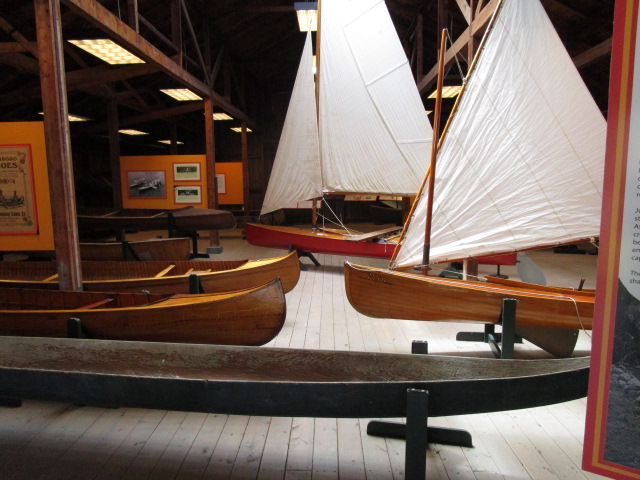
We started with the Small Craft Building. In this building there are canoes, skiffs, and various other small roundabouts.
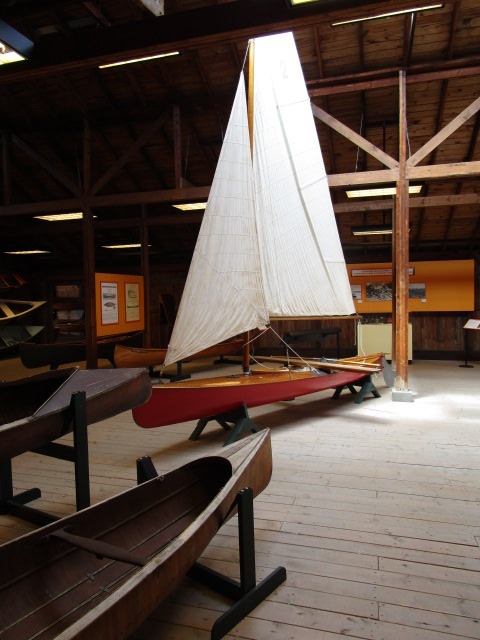
Just inside the door is a beautiful display of canoes of all shapes and sizes.
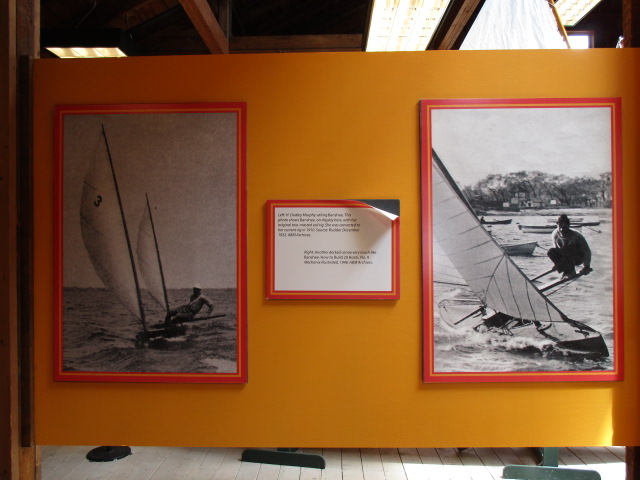
As I worked my way through the exhibit this canoe in particular caught my eye. It appeared to be a sailing canoe, and knowing what I know about sailing I couldn’t help but wonder how in the world did they actually sail it? I mean sail boats tend to tip quite easily.
Look at this picture and you understand how they did it. Bottom line you obviously had to be quite agile and quick to keep from going in the water on a regular basis. It gives new meaning to walking the plank, or in this case sliding out on the plank.
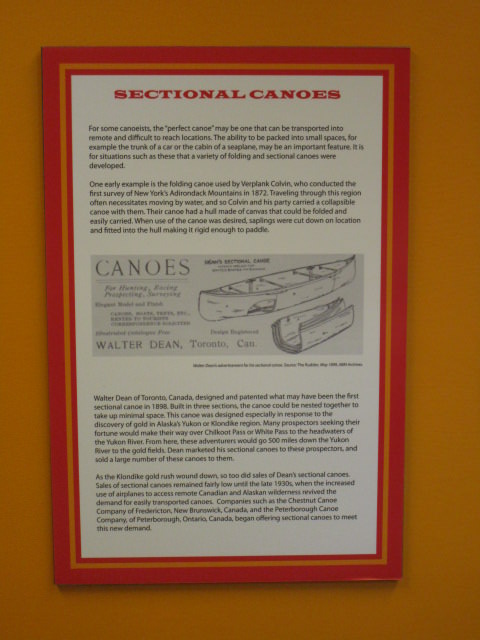
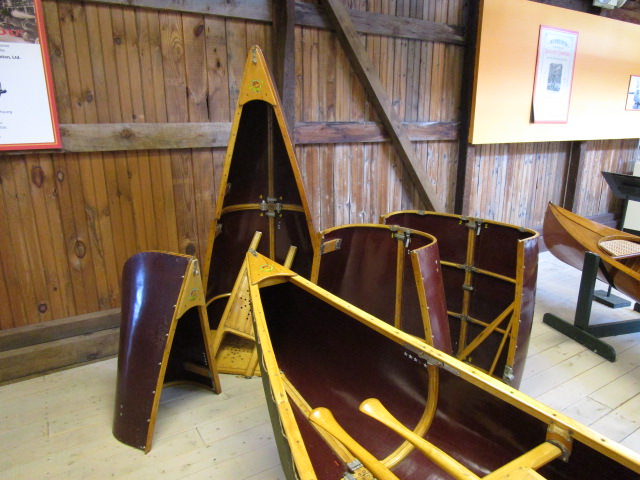
Then I came upon a really unique kind of canoe, you can take it apart and take it with you – on a train, backpacking, in a car, or whatever.
This is the canoe when it is together.
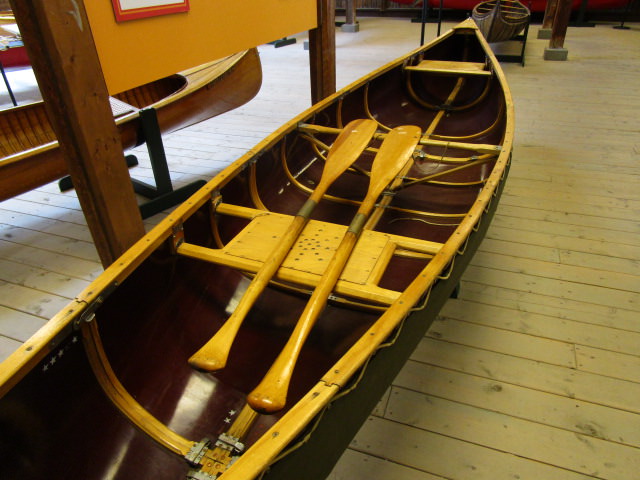
Here are the pieces when it is apart
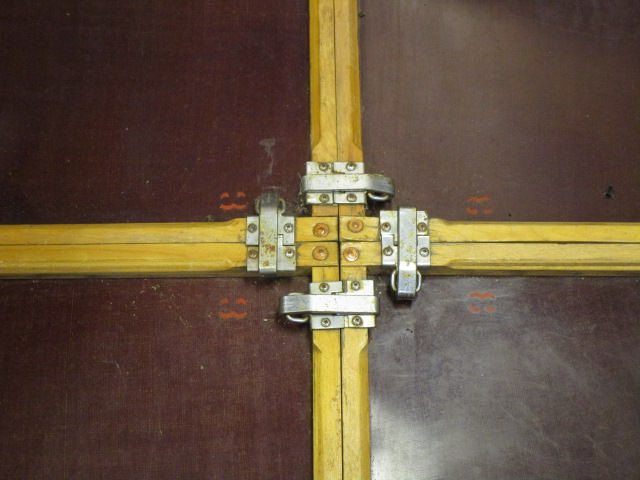
Looking down inside you can understand how the pieces are fastened together.
Moving on deeper into the building the next display was on the St. Lawrence skiff.
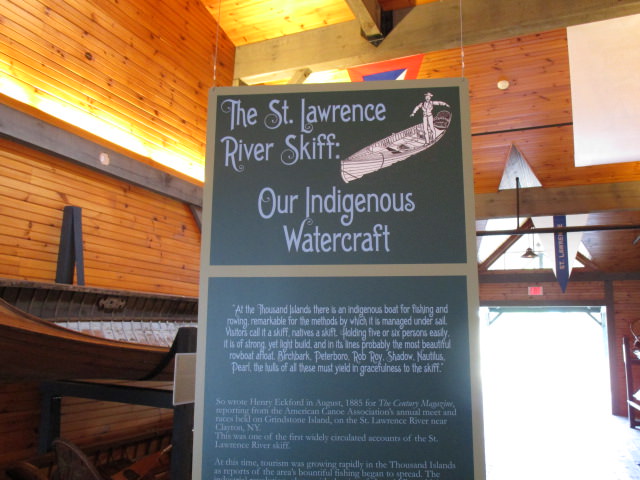
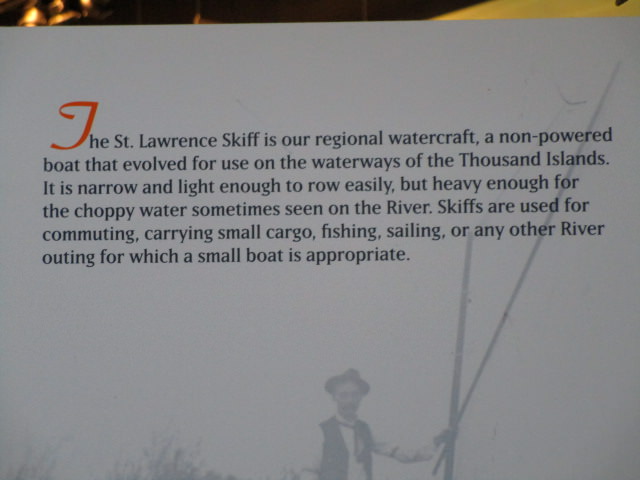
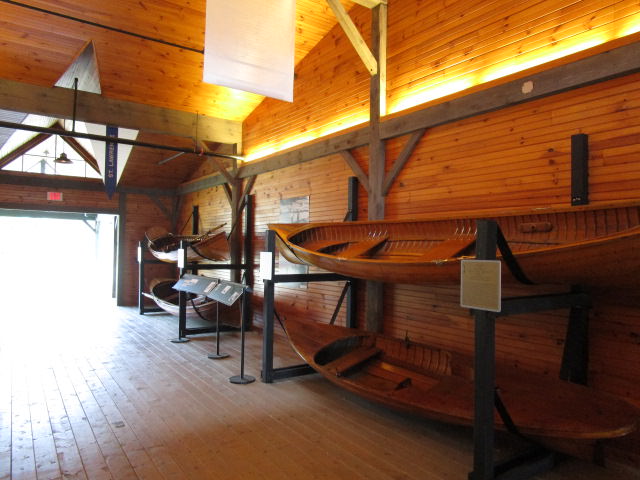
This is a general view of the various skiffs that are on display.
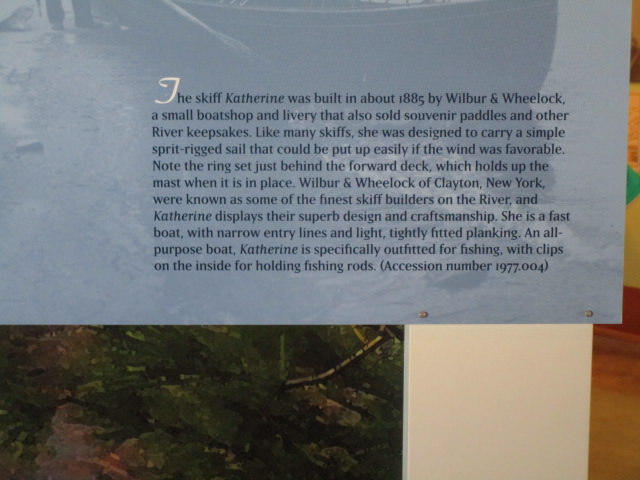
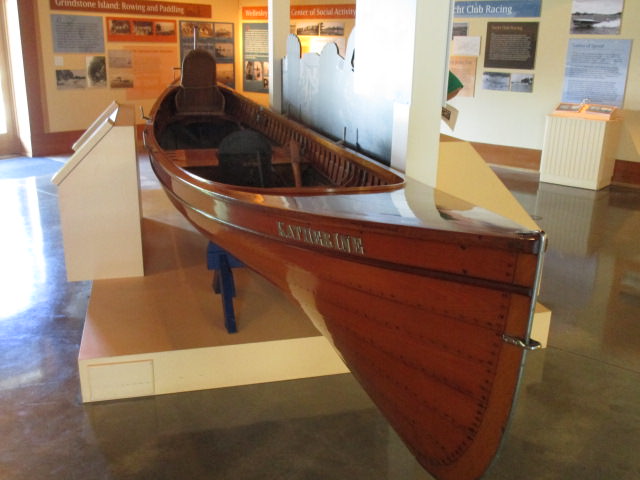
This is a display of one skiff in particular called the Katherine that was built in 1885. This skiff was designed to carry a simple spirit-rigged sail that could be put in easily if the wind was favorable. This skiff is a fine display of superb design and craftsmanship.
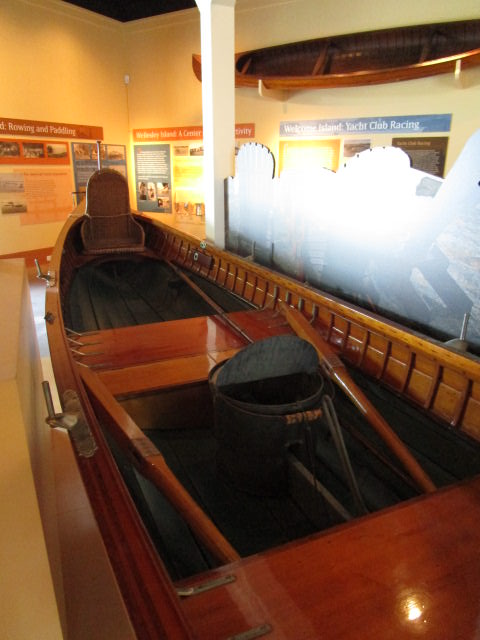
In the picture below, note the circle in the front which is where the mast would go.
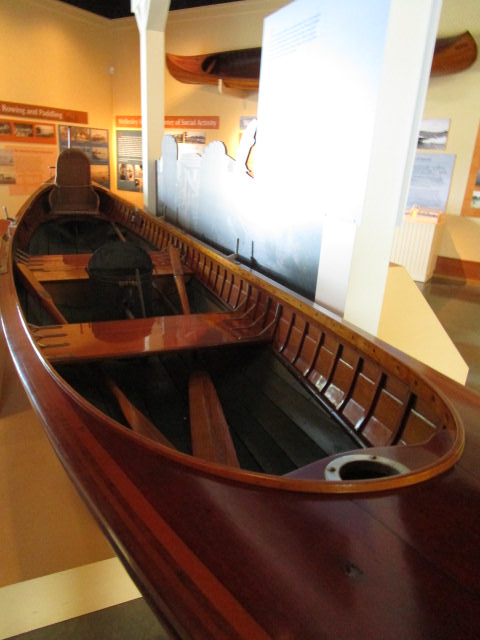
Now we come to the last section of the Small Craft Building. In this part of the building are a number of general runabouts of various types. The first is the Dorothy


This is Dorothy looking from the front down along the side
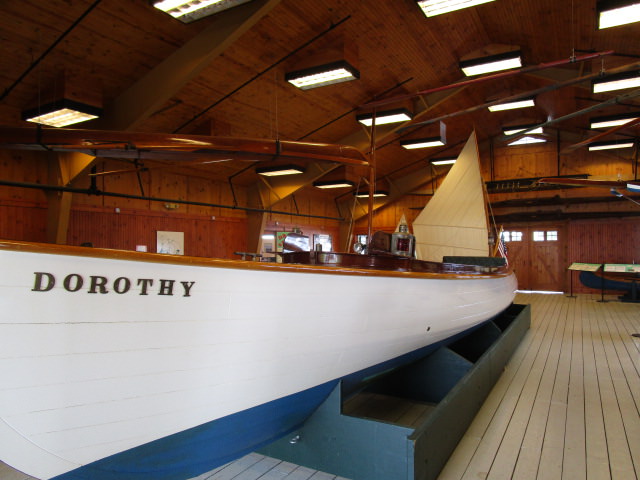
This is Dorothy showing the engine and the inside looking aft.
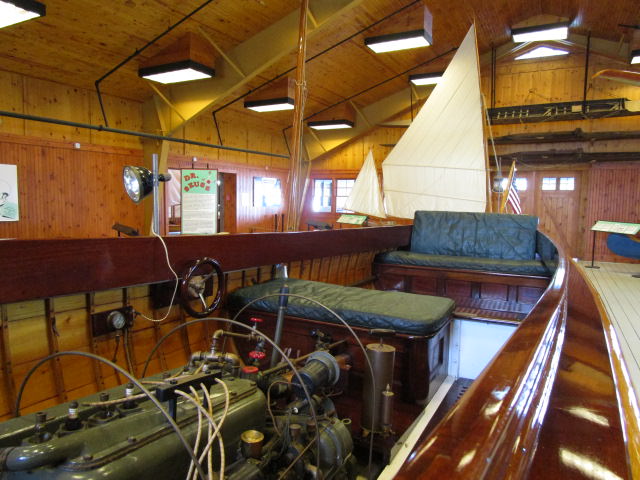
This is an old picture of Dorothy out on the lake.
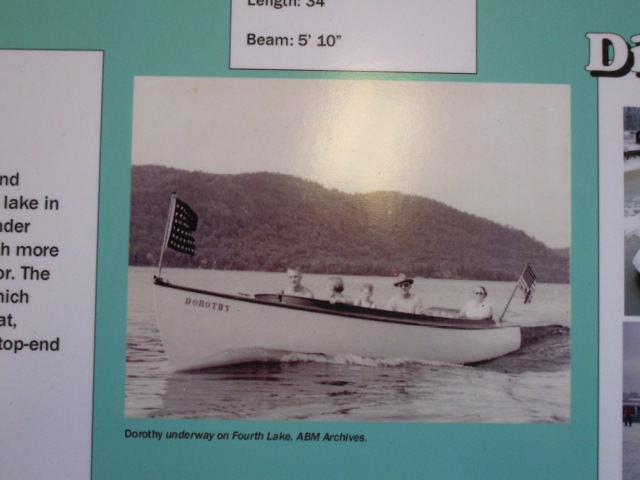
Now we move to the Fawn. The Fawn was found abandoned and neglected in the weeds.
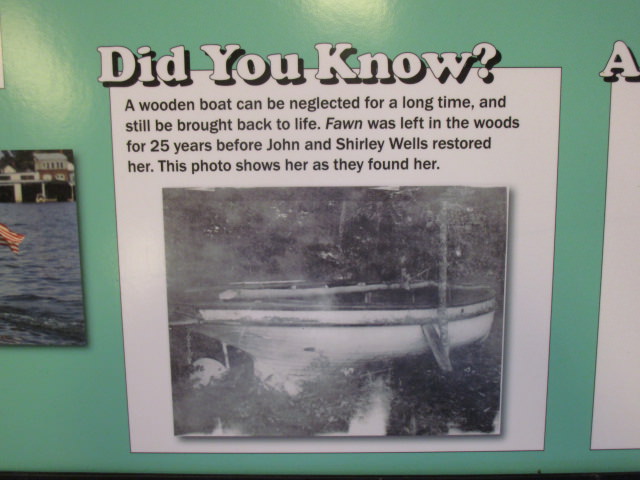


This is a picture of the Fawn looking aft.
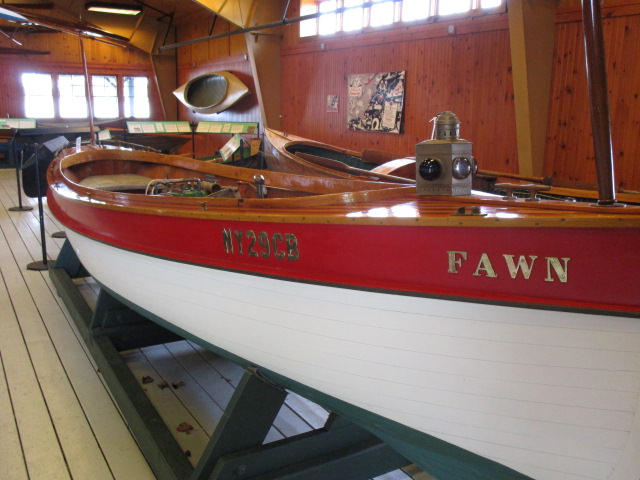
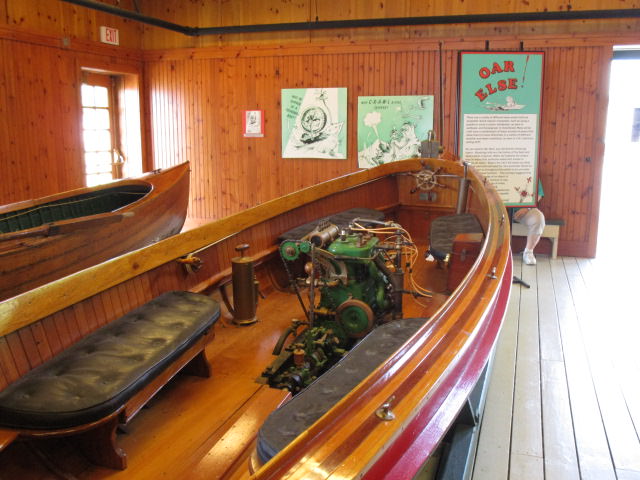
This is a picture of the inside of the Fawn looking toward the bow.
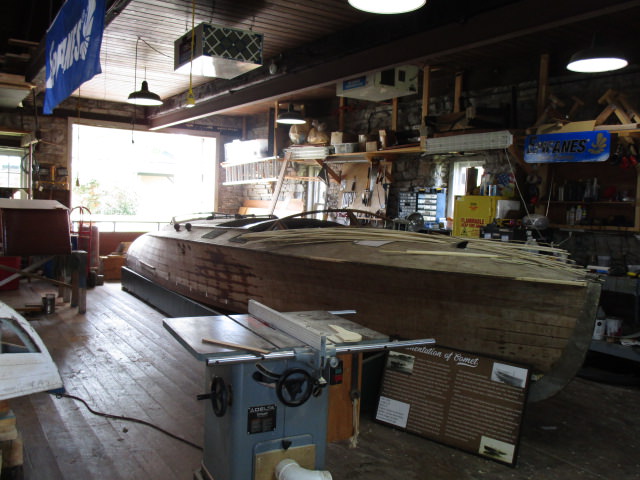
We are now finished with the Small Craft Building and are going to move over to the E.J Noble Historic Stone Building. This is where volunteers and staff work together to restore and build boats.
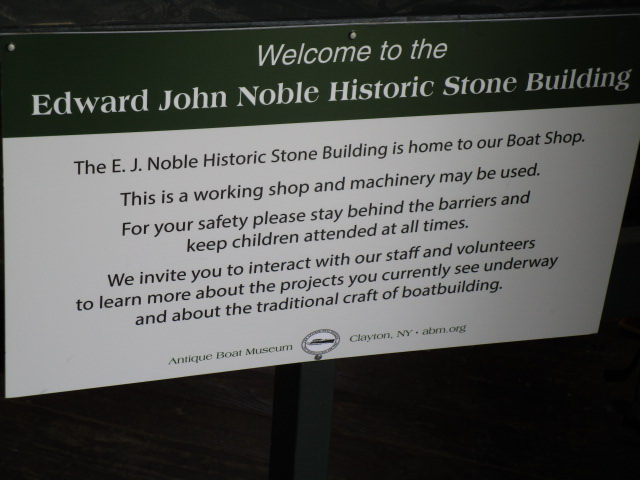
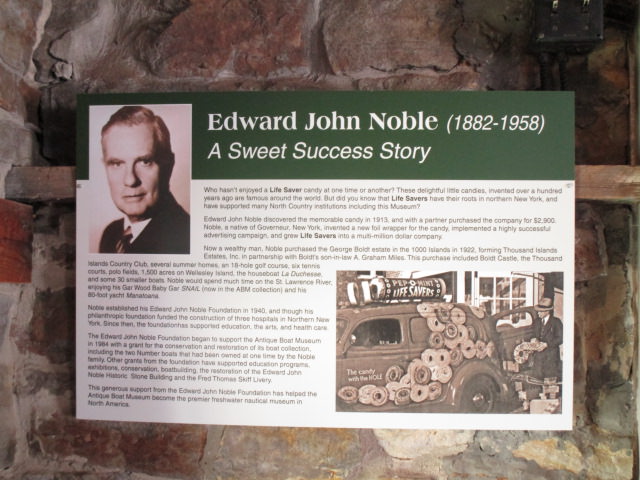
This is who the shop is named after. Edward John Noble is the man behind that little piece of candy called a life saver. That little piece of candy made him a very wealthy man. He established the Edward John Noble Foundation in 1940 and which initially supported education, art and health care. In the 60’s the Foundation began to support the Antique Boat Museum.
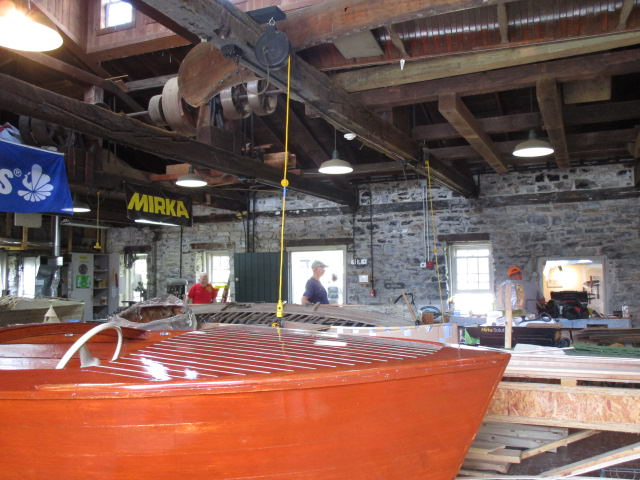
This is a general picture of the overall shop.
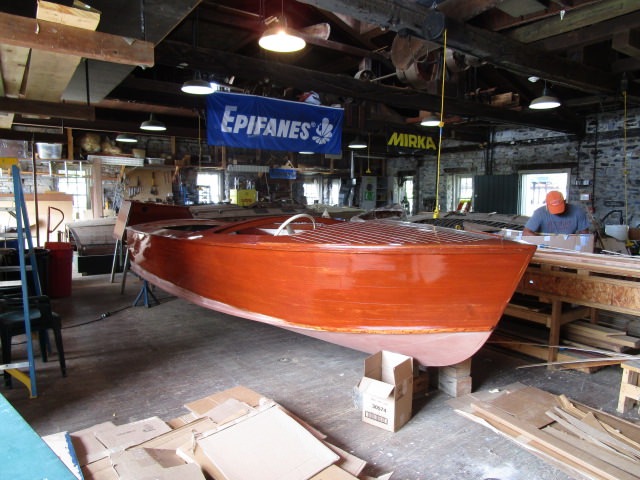
This is a picture of a high school project that ran out of money and the museum is working to finish it and then donate it back to the school.
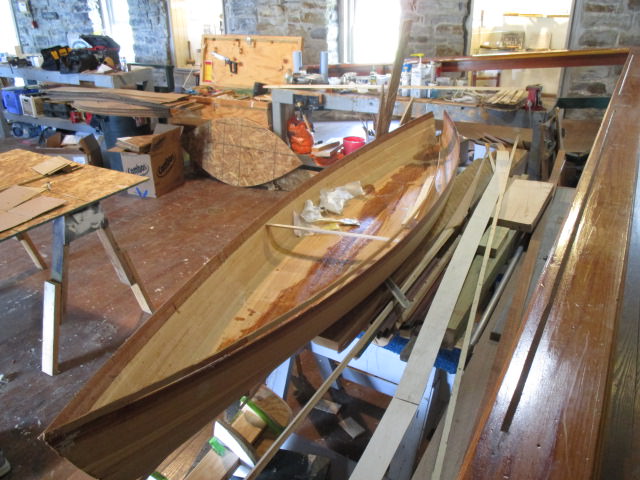
This is a picture of a boat donated to the museum that they are working to restore.
This is a picture of the historic boat Comet that cannot be restored. On its last run the boat’s engine literally exploded soaking the inside of the hull with oil and fuel to the point that the wood cannot be cleaned and restored. Instead, they have lofted the boat meaning they have taken and created blue prints of the boat for anyone to purchase who wants to make a replica. To date, 14 sets of blueprints have been sold.
We’re going to call in a night now. Much, much more to cover in the following days and blogs. We have the Morgan Building, the Cleveland E. Dodge Memorial Launch Building, the McNaily Yacht House, and our own on the water speed boat ride to share with you.
We thank you once again for sharing our day with us. We had a great, but admittedly a hot day, but one as always that we journeyed through hand in hand. We also hope that you had a great day, and hopefully a bit cooler than we did! For now a closing thought for each of us to ponder:

As always, if you are coming to the end of your day with concerns and worries, let me suggest that you turn them over to God. After all, He is going to be up all night so why not let him handle them for you.
Time now for our evening prayers and eventually some shut-eye. Till tomorrow.
These are the voyages of Graybeard and it’s occupants, four paws and two humans. Our continuing mission: to explore as many new states as possible, to seek out new acquaintances and make new friends, to boldly go where we have not been before

 "On The Road of Retirement"
That museum was awesome. We spent the better part of a rainy day there.
LikeLike