July 21st, Saturday – Erie Canal, Part Two; Well How About That, They Got The Part

As Gomer Pyle was so fond of saying, Well Golly!  Yes, the part was in today and Little Graybeard is for the time being at 100%.  For the time being because the history of this car is just when you begin to get comfortable with it and start to trust it, it will let you down in some way, shape or form.  It is what it is.

So today was getting ready to move day.  Yes, this time is the real deal.  Inasmuch as tomorrow morning is supposed to be a rainy one, I wanted to get as much done today as possible.  I removed the tire covers.  Rolled up the patio awning.  Put away the patio mat.  The plaque, flowers and spinners were put away.  Checked under the hood.  Checked tire pressure.  Dumped the tanks and put the sewer hose away.  Barbara packed everything away inside so we are basically ready to go.  Tomorrow its slides in, jacks up, disconnect electric and water and we’re rolling.

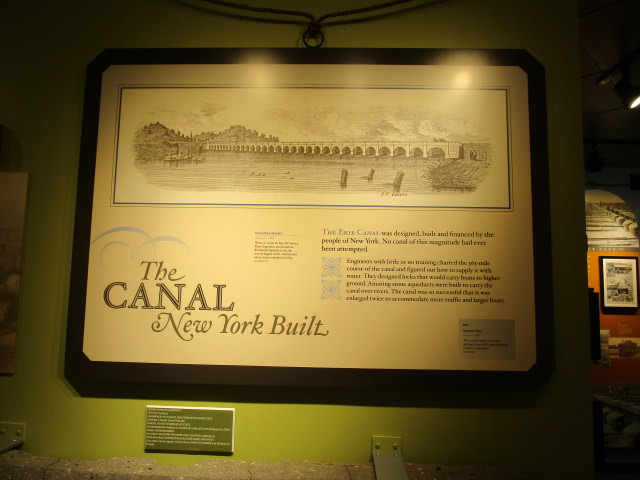
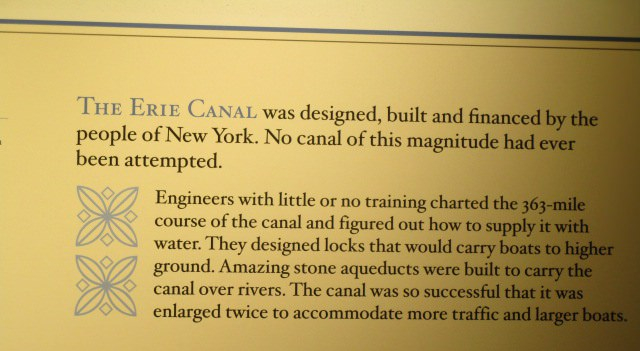
OK, so let’s go back to the Erie Canal and its actual construction.  On April 15, 1817, the New York State legislature voted to build the Erie Canal and dignitaries turned the first shovel of dirt on July 4th of that year in Rome, NY  Because of President Jefferson’s resistance to the canal it was designed, built and financed by the people of New York.
erie-canal-poster-paid-for-by-ny.jpg

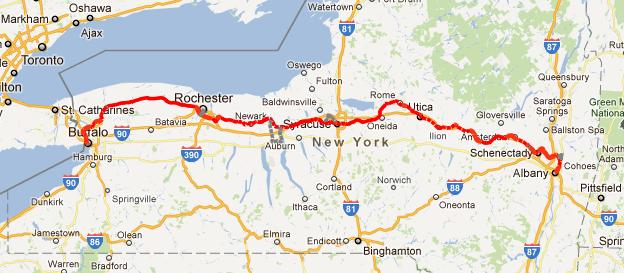
The route that had been chosen, remember, was the inland route
a4c5b-erie

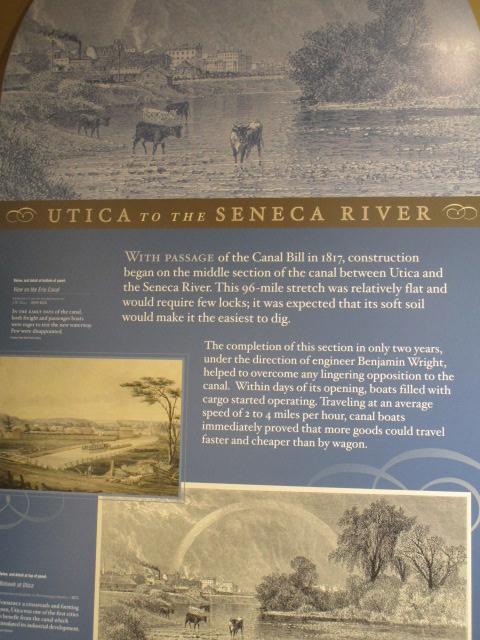
They chose to first build the middle section between Utica and the Seneca River.  This 96 mile middle stretch was relatively flat and would require fewer locks.
erie canal first section utica to seneca river

The completion of this section in two years helped to overcome the last of lingering opposition to the canal.

One of the greatest challenges in building the canal in this middle section was crossing the Montezuma Marshes near the Seneca River.
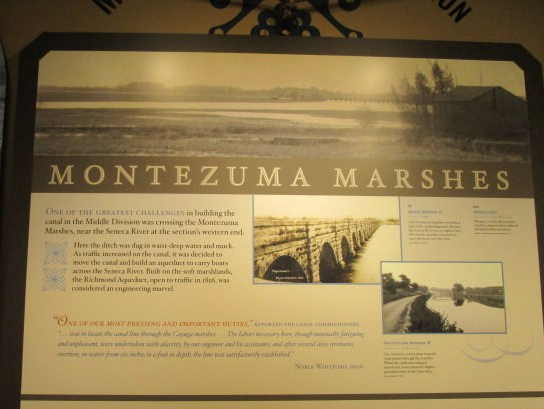
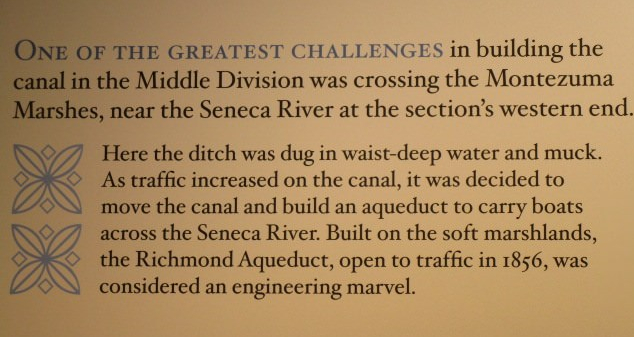
erie-canal-first-section-western-end-montezuma-marshes.jpg

erie canal first section western end montezuma marshes 1

This is all that is left of the Richmond Aqueduct today.

Image result for richmond aqueduct


The next section to be tackled was the Western Division, from the Senica River to Buffalo.  It presented the greatest engineering challenges of the entire Erie Canal. 

Near Rochester, the canal had to first cross the low-lying Irondequoit Valley.
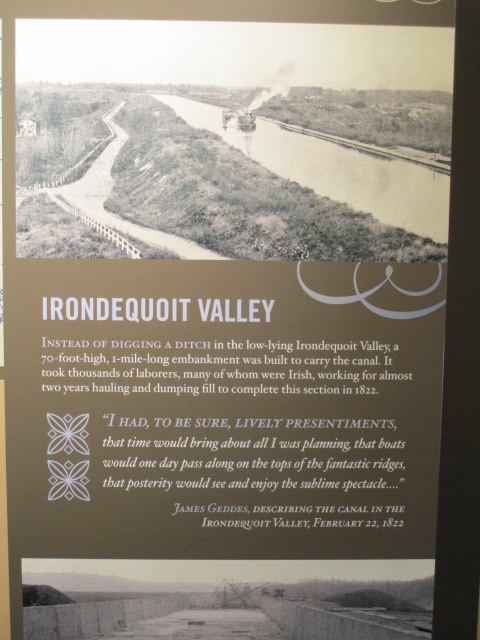
erie canal niagara western section irondequoit valley

In the end, instead of digging a ditch a 70 foot high, 1 mile long embankment was was built to carry the canal.

The next challenge that faced the builders of the canal moving west was how to get across the Genesee River Rapids.
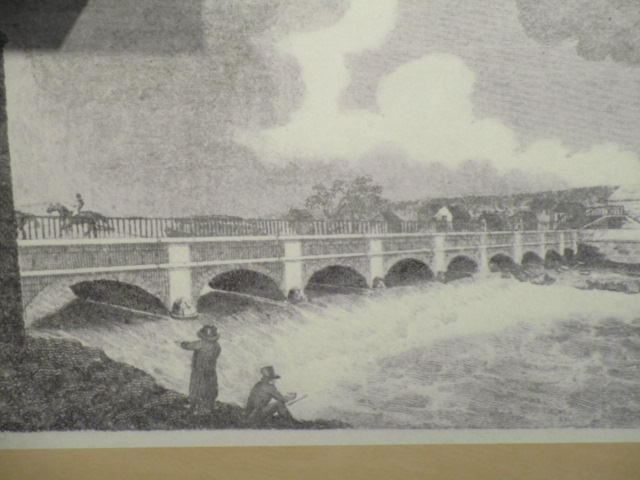
erie canal niagara western section aqueduct bridge at rochester picture of

The answer was another aqueduct built with nine stone arches.  When completed it was declared the most stupendous and strongest work in America.

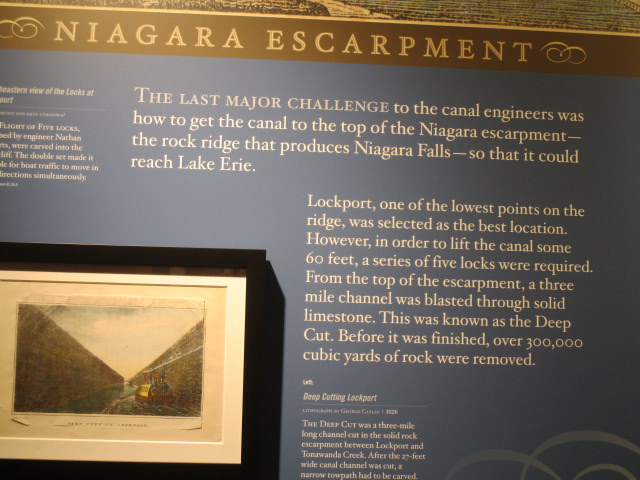
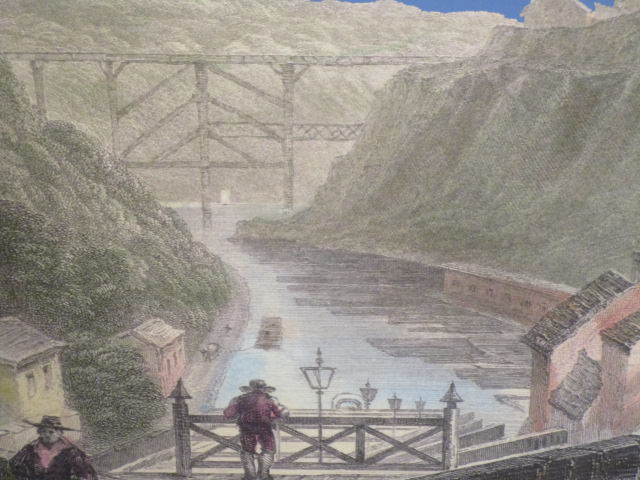
The last major challenge on the Western End was how to get the canal to the top of the Niagara escarpment – the rock ridge that produces Niagara Falls – so that it would reach Lake Erie.  This was accomplished with the construction of a flight of five double locks.
erie canal niagara explained

In addition a  three mile channel had to be cut in the rock in order for the water to flow from Lake Erie into the canal.  .
erie canal niagara explained poster explaining view fm top picture to go with

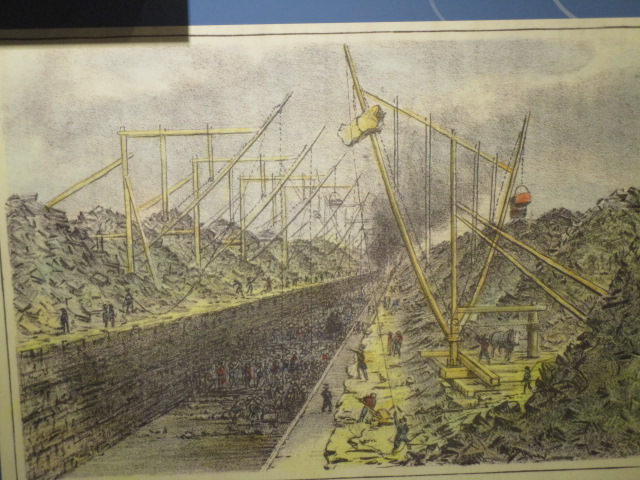
Excavating rock was one of the most dangerous and difficult jobs of building the canal.  With the invention of a crane and bucket device, the rubble created from blasting the rock was more easily removed.
erie canal niagara explained removing rocks picture

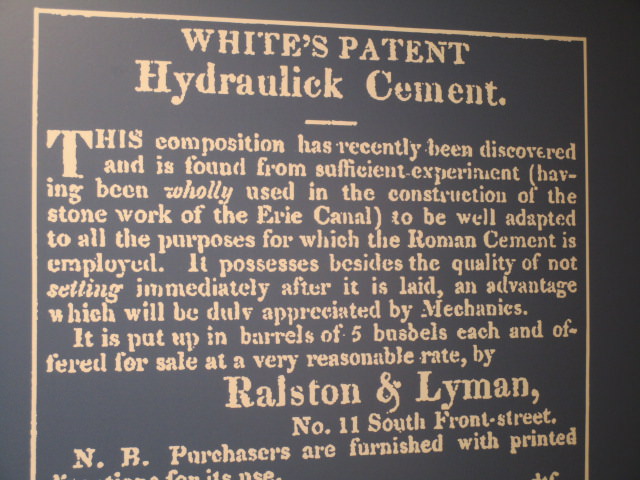
A continuing challenge that faced the builders of the canal no matter the section was finding a way to line the stonework in the canal to prevent leaks.  Most clay-type materials they first used, disintegrated when it got wet.  Fortunately, a type of limestone was discovered  near Syracuse that hardened when it got wet.
erie canal miracle cement 1

Surviving stone work from the original canal is testament to the quality workmanship and good cement.
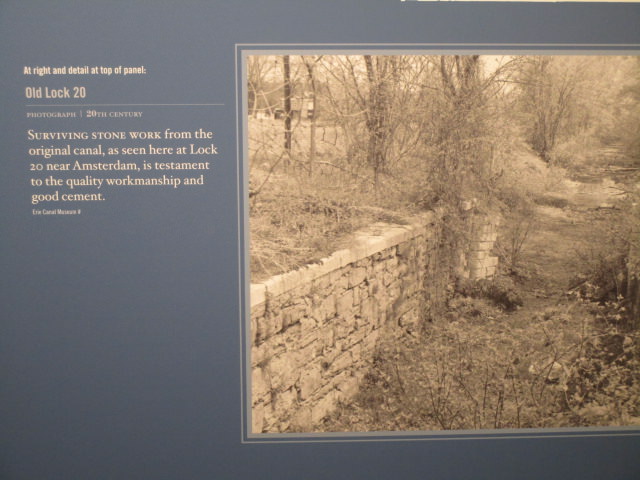
erie canal miracle cement testimony to wall still survives

We turn now to the Eastern Division, a 126 mile stretch from Utica to Albany.  The Mohawk River rushed eastward toward the Hudson River through narrow passageways and over steep precipices created by rock formations at Cohoes and Little Falls.

At Schenectady, the Mohawk River Valley narrows as the river begins a steep drop.  The question facing the engineers was how best to navigate the irregular, narrow and steep terrain. The decision was to build two aqueducts.

To cross the Mohawk River near Schenectady the Rexford or Upper Mohawak Aqueduct was built.  It was  supported by 14 stone arches that spanned 45 feet to carry the canal over the Mohawk River.
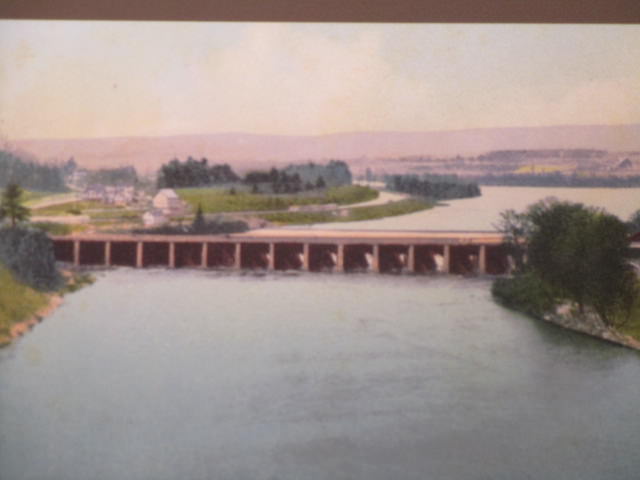
erie canal eastern section two aqueducts upper mohawk aqueduct picture

Four miles later the Crescent Aqueduct crossed back over the river just above the Cohoes Falls. 

Related image

The next challenge was how to deal with the Cohoes Falls. 
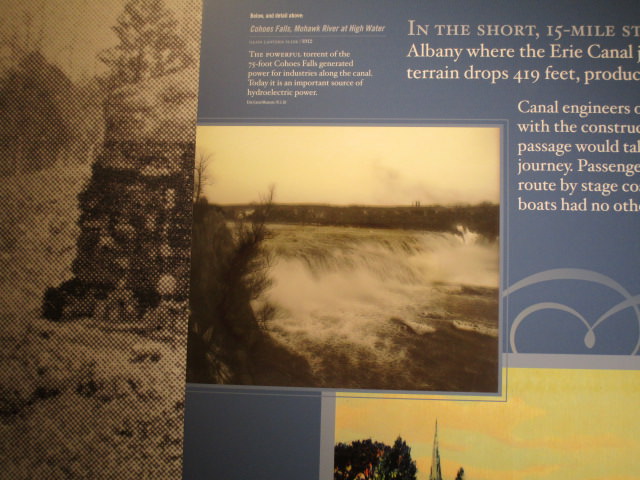
erie canal eastern section sched to albany problem of picture of falls

From Schenectady to Albany where the Canal joins the Hudson river the terrain drops 419 feet.  Canal engineers overcame this formidable barrier with the construction of 27 locks.

Eight years after the groundbreaking at Rome the Canal was finished.  New Yorkers celebrated the completion of the Erie Canal in the grandest way possible.
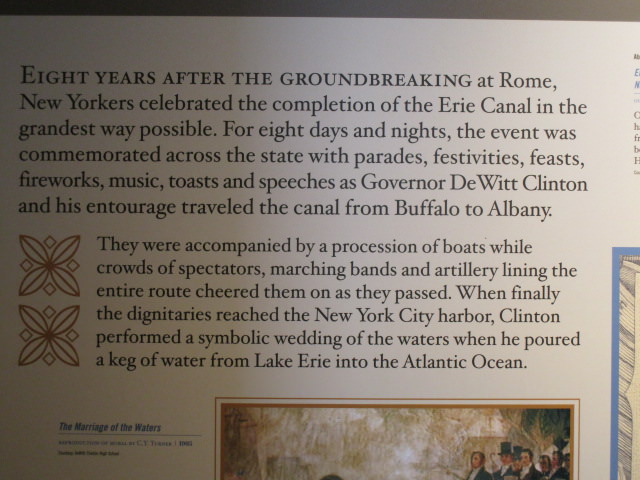
erie canal celebration completion

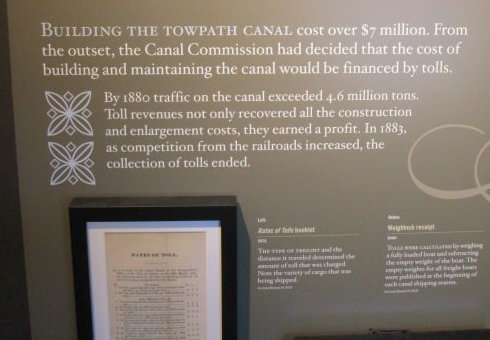
Building the tow path canal cost over $7 million.  From the outset the Canal Commission had decided the cost of building and maintaining the canal would be financed by tolls.
erie-canal-paying-for-it-in-the-end.jpg

By 1880 toll revenues not only recovered all the construction and enlargement costs, they earned a profit.  Facing stiff competition from the railroads tolls ceased in 1883.

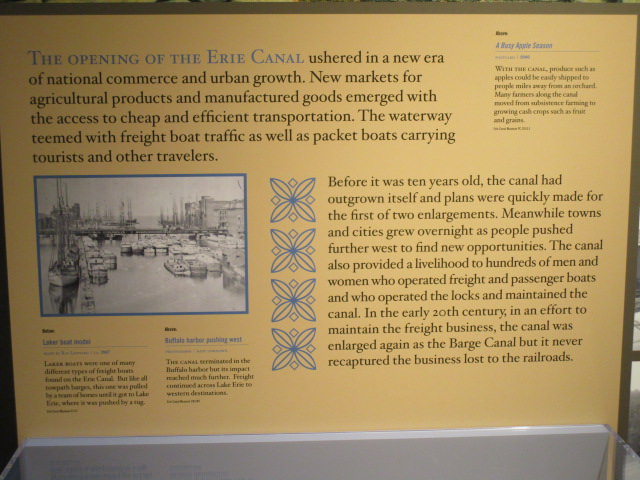
The opening of the Erie Canal ushered in a new era of national commerce and urban growth.  The waterway teemed with freight boat traffic as well as packet boats carrying tourists and other travelers.
erie canal heyday new era ushered in

Since its grand opening in 1825, the canal has been enlarged several times to accommodate larger boats and more traffic.  In 1838 it was enlarged from its original 40 foot wide, 4 foot deep ditch to a full 70 foot wide, 7 foot deep waterway.

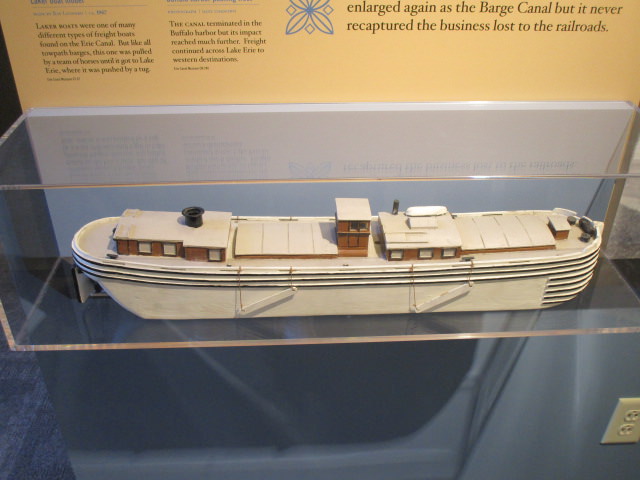
One of the boats used frequently on the Canal was a Laker Boat.  It was a freight boat
laker boat model

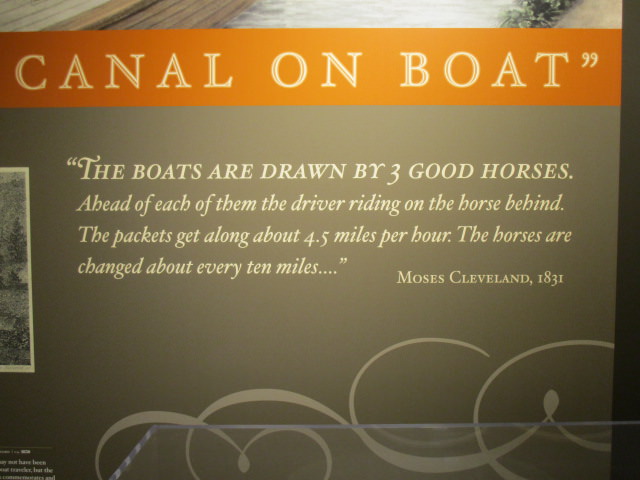
pulled by a team of horses or mules through the Canal.
erie canal boat drawn by horses


The most recent enlargement was completed in 1918 at which time the state rebranded the Erie Canal as the Barge Canal to reflect a new age of commerce, distinct from the days of mule-driven canal boats. With the opening of the Barge Canal, many of the sights
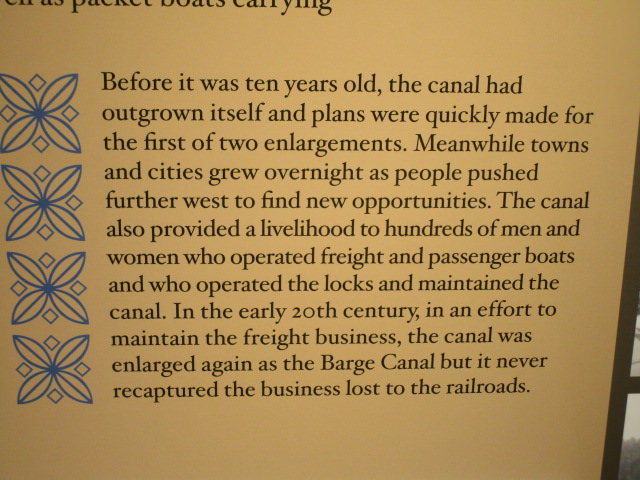
  • erie canal need to enlarge

and sounds of the towpath canal disappeared.  Towpath freight boats were no longer pulled by horses or mules rather they were pulled or pushed along to their destination by powerful tugboats.
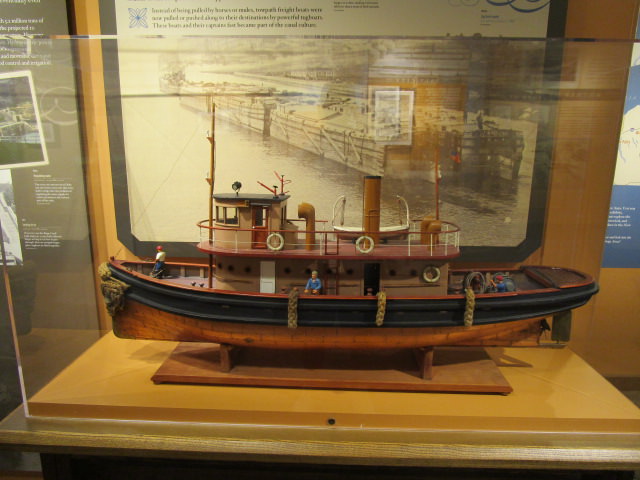
 

erie canal tow path no more because of barge canal model tug boat

In its first 40 years of operation, the Barge Canal teemed with traffic.  Traffic peaked in 1951 with 5.2 million tons of freight, but it never did reach the projected 10 million tons hoped for by its supporters.
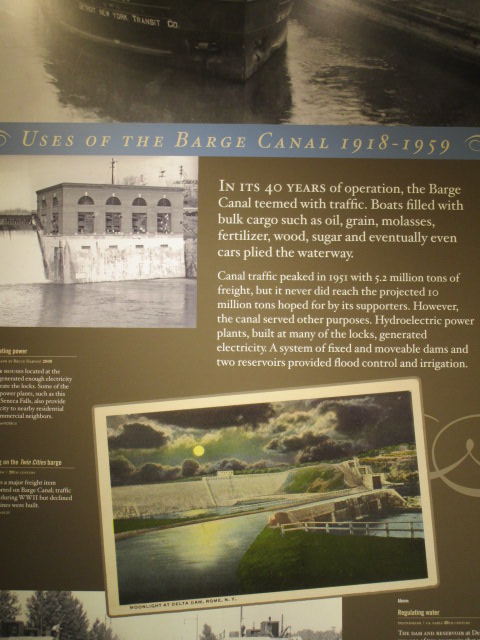
erie canal use of the barge canal 1918 1959

In the 1990’s the name changed again to the New York State Canal System.  The system today is made up of the Erie, Champlain, Oswego and Cayuga-Seneca Canals.

This then is just a brief, and I mean really brief, overview of the Erie Canal.  I could spend probably a month or more in this area and still not be able to see all there is that is related to this famous Canal.  Maybe, just maybe, one day we’ll be back to this area and plan on spending a good two months visiting all of the historical sights associated with the Erie Canal.

After our museum we next went in search of a working lock.  We were in luck in that Lock 24 of the Cayuga-Seneca Canal was only 15 minutes away.
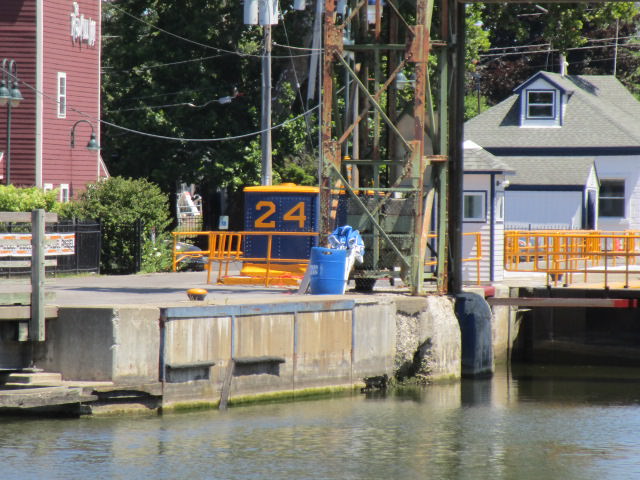
lock 24 picture of lock number

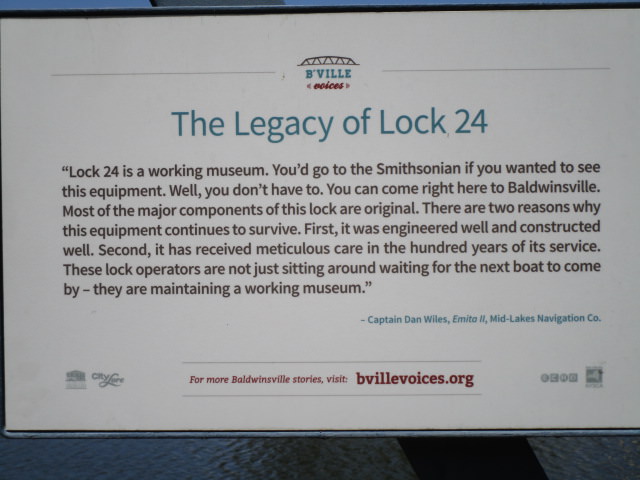
lock 24 legacy of

When we arrived there was a boater waiting to lock through.  We struck up a conversation with this group and discovered that they had left Lake Cayuga earlier in the day.  They were going to make their way up the Oswego Canal to Lake Ontario and then on to the Thousand Islands.  
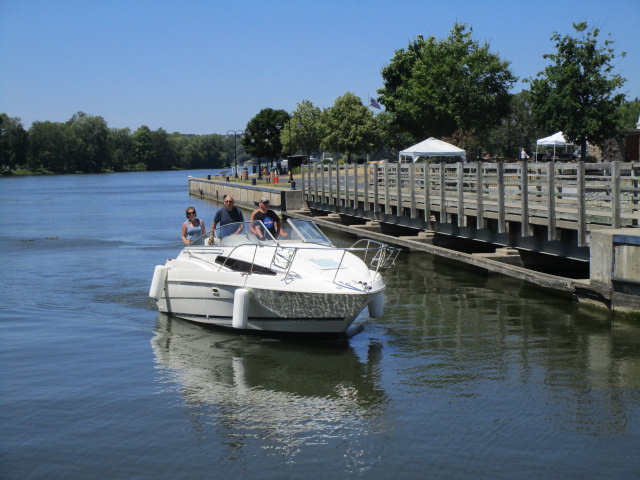
lock 24 boat preparing to lock through

After a brief wait for the lock to fill the upper doors opened and allowed them to enter
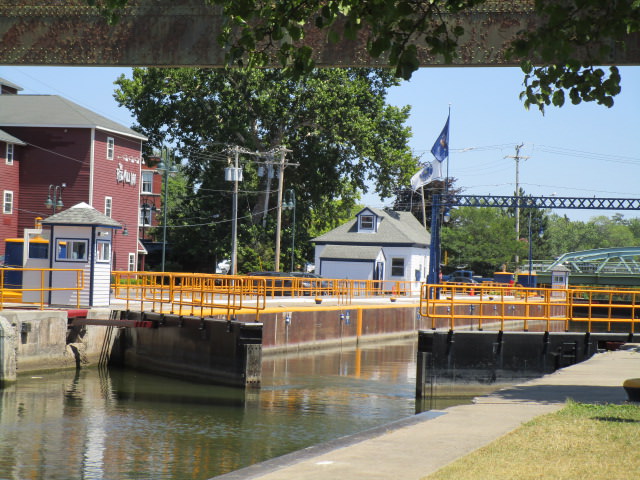
lock 24 opening of upper lock

the lock.  Once inside the lock the door would again close, the water would be pumped
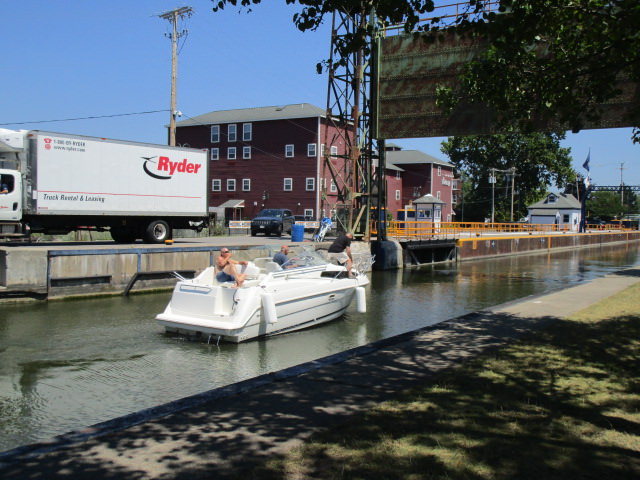
lock 24 entering the lock

out and the boat would descend to the level of the river outside the other lock door.  The far end lock door would open and then they would be on their way.
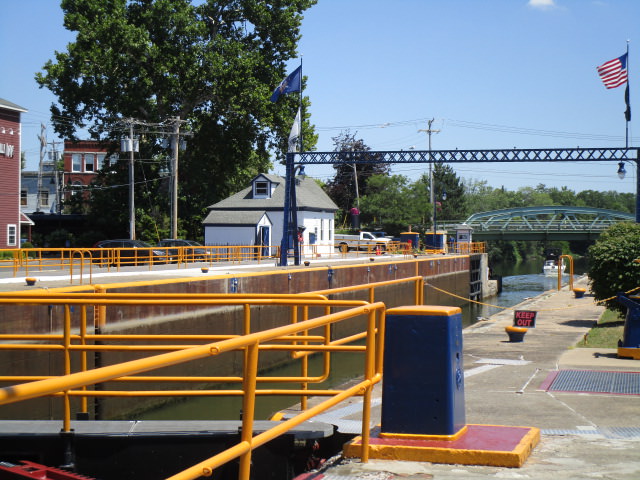
lock 24 overall view

So now we are all caught up and it’s time for me to pack up the computer room in preparation for tomorrow’s move.  Thanks again for joining us today and we hope you enjoyed our tour of the Erie Canal Museum.  In closing here is a thought for each of us to consider:

Image result for enjoy the life god has given you

As always,  if you are coming to the end of your day with concerns and worries, let me suggest that you turn them over to God.  After all, He is going to be up all night so why not let him handle them for you.

Time now for our evening prayers and eventually some shut-eye.  Till tomorrow.

These are the voyages of  Graybeard and it’s occupants, four paws and two humans.  Our continuing mission: to explore as many new states as possible, to seek out new acquaintances and make new friends, to boldly go where we have not been before


July 20th, Friday – Part? What Part; Erie Canal, Part One

OK, maybe I should learn to be more positive.  But we’re talking about Little graybeard, you know the car we’ve been waiting for a part for since last November.  So why should I not be surprised when we went back today and the answer was, Sorry the part hasn’t come in.  Ah well, it is what it is.

Today, before we left the area, we wanted to do a bit more exploring and sightseeing.  We kept seeing signs for the Erie Canal here and there in our travels in this area and so we decided to find out what we could about it.  Hence, after the abortive attempt at getting Little Graybeard fixed this morning we were off to the Erie Canal Museum.

The Museum was only a 45-minute ride from our home.  The trip there was a breeze.  Once there, though, parking was a bit of a mystery.  The signs kept directing us to a parking lot but the parking lot had signs saying permit parking only.  Two times around and we finally said what the hey and turned into the lot.  Guess what?  Not until you enter do you see signs for Museum Parking off in one section.  Go figure.

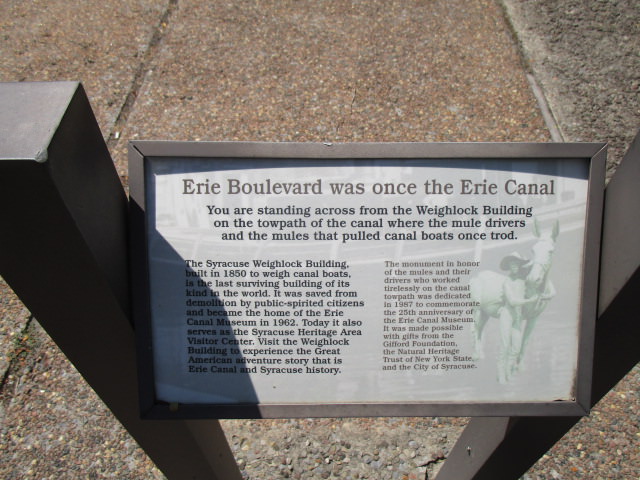
As we approached the Museum and even before we entered it we learned some fascinating information.  We learned ,for instance, that the street we were standing on which was Erie Blvd was once a part of the Erie Canal.

Erie Blvd was once the Erie Canal.

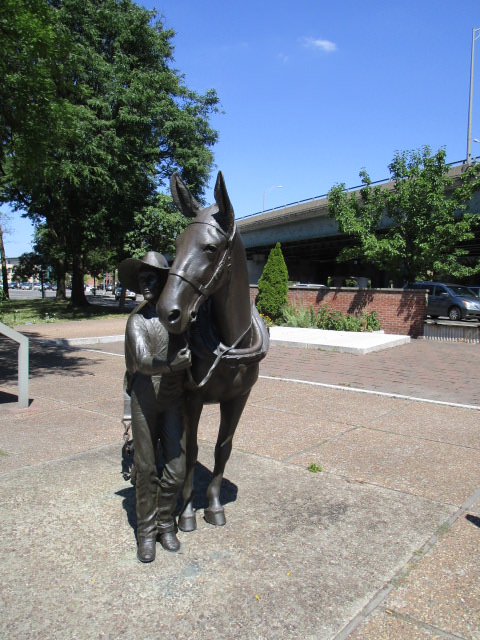
We also found a monument that was erected and dedicated to the mules and their drivers that once walked the tow paths of the Canal.

monument in honor of the mules and their drivers

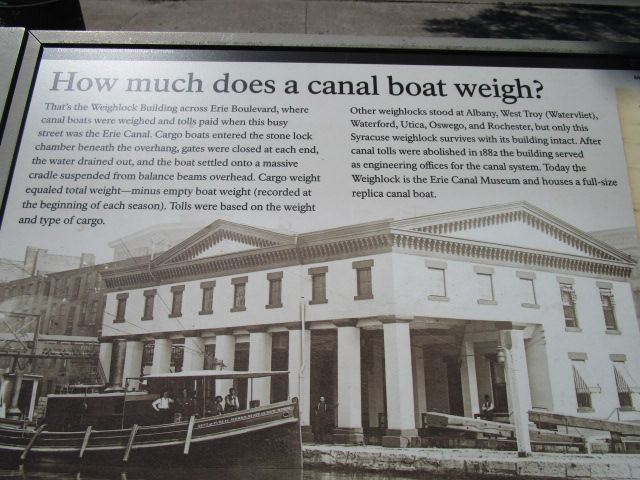
Next we found out that the museum itself was actually what was originally known as the Weighlock Building where canal boats were weighted and tolls paid when Erie Blvd was actually the Erie Canal.  The building was originally built of brick and is the only surviving building of its type today.

Now, how did one know the toll to be paid?  The process was really quite simple.  The canal boat was pulled into the lock, all water was drained, the boat then settled unto

How much does a canal boat weigh

a massive cradle suspended from balance beams.  Cargo weight equaled total weight minus empty boat weight.   Tolls were assessed based on that weight plus the type of cargo.

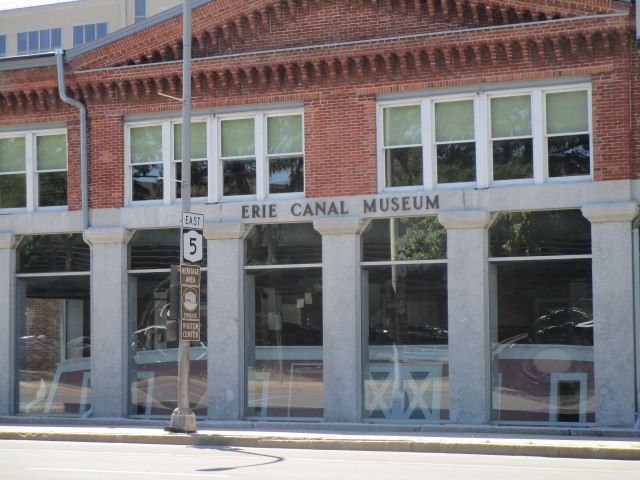
This is the Weighlock Building today, it is the current Erie Canal Museum Building.

erie canal museum outside view of building

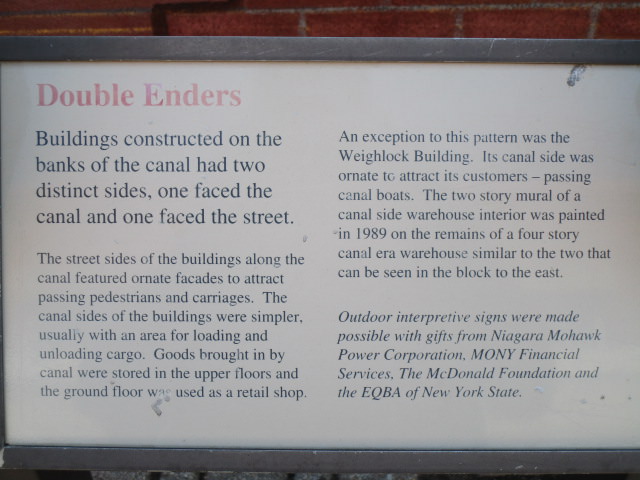
We also discovered that buildings constructed on the banks of the canal had two very distinct sides to them, one side of course faced the canal the other side faced the street.

buildings on the cana two different sides

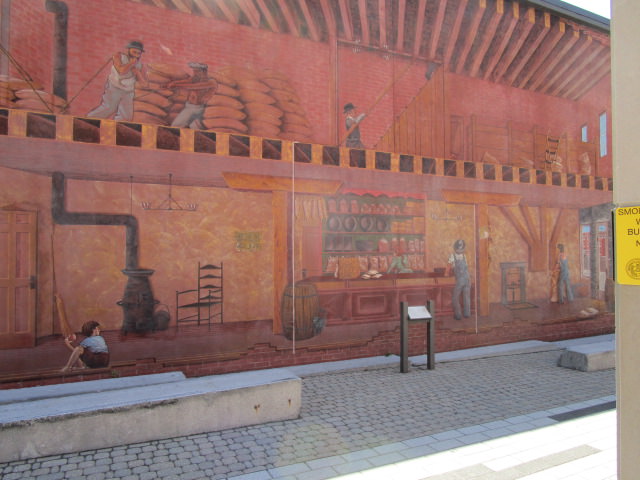
The street side was usually quite ornate with an eye to attracting customers.  The canal side was most often plain and simple. The exception to this was the Weighlock building whose canal side was usually ornate and elaborate with an eye toward attracting canal customers.  The mural below is a two story painting of the inside of a canal warehouse.

mural on side of building

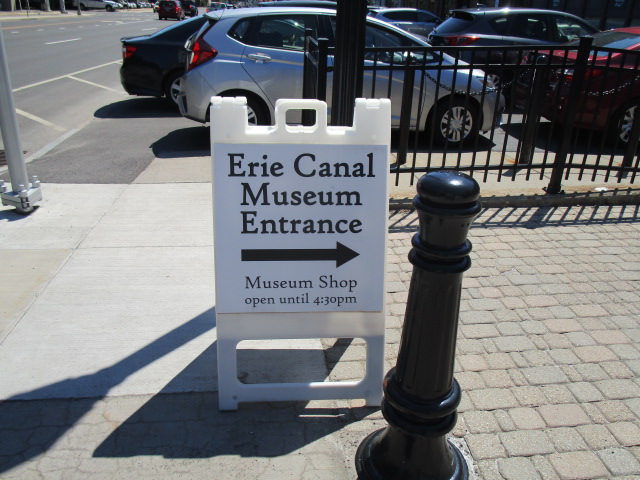
Now we were ready to actually enter the Museum.  A simple white sign pointed us in the right direction.

sign erie canal museum entrance

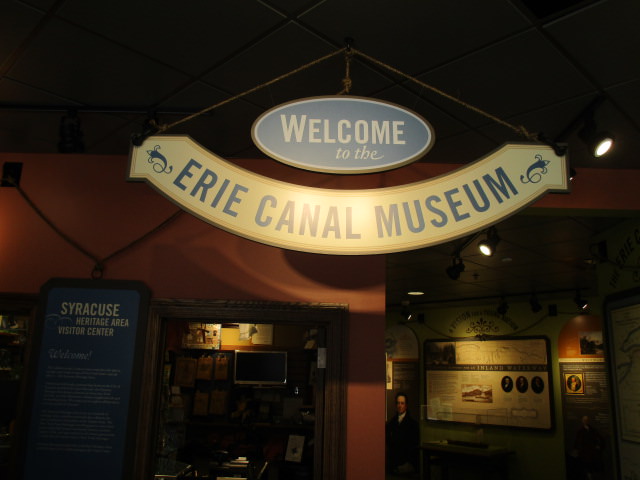
Once inside there was a sign welcoming us to the museum.

welcome sign inside entrance door

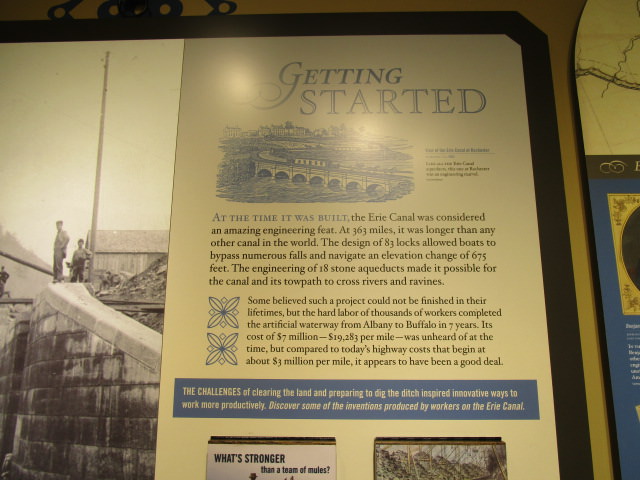
Time now to discover what this Canal was really all about.  We learned that the Erie Canal was North America’s most successful and influential public works project.  Built between 1817 and 1825, this 363-mile-long canal was the first all-water link between the Atlantic Seaboard and the Great Lakes.

erie canal getting started

When completed it would have a depth of 4 feet, a width of 40 feet, 83 lift locks, 18 stone aqueducts and an elevation change of 875 feet.  The Canal cut through fields, forests, rocky cliffs and swamps, crossed rivers and over came hills.   Many thought it would never be completed in their lifetime but they were definitely wrong in that it was completed in just 8 years.

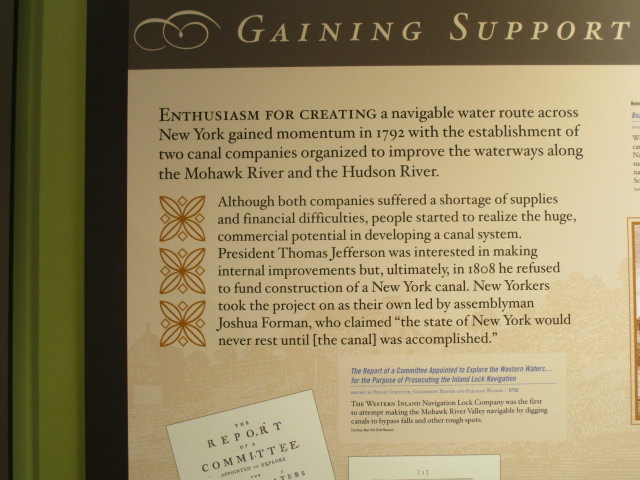
Enthusiasm for completing a navigable water route across New York gained momentum in 1792 with the establishment of two canal companies who were tasked with improving the waterways along the Mohawk and Hudson Rivers.

erie canal president refused ny accepted the challenge

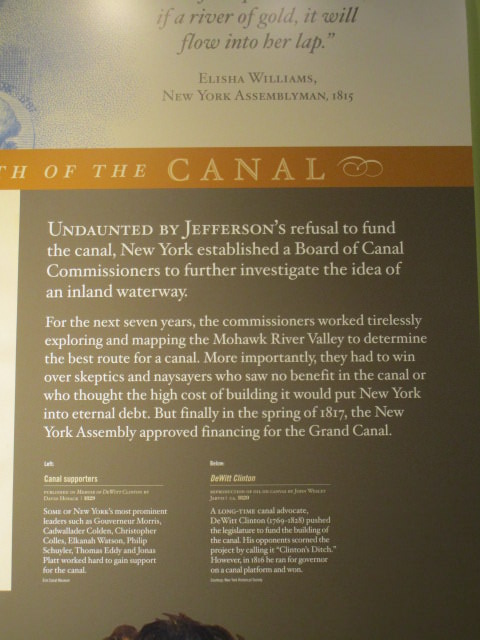
Their work opened people’s eyes to the huge commercial potential of such a canal across New York.  However, in 1808 then President Jefferson refused to give his blessing to such a project.  Undeterred, New York State established a Board of Canal Commissioners to further investigate the possibility of an inland waterway.

erie canal president refused ny accepted the challenge part two

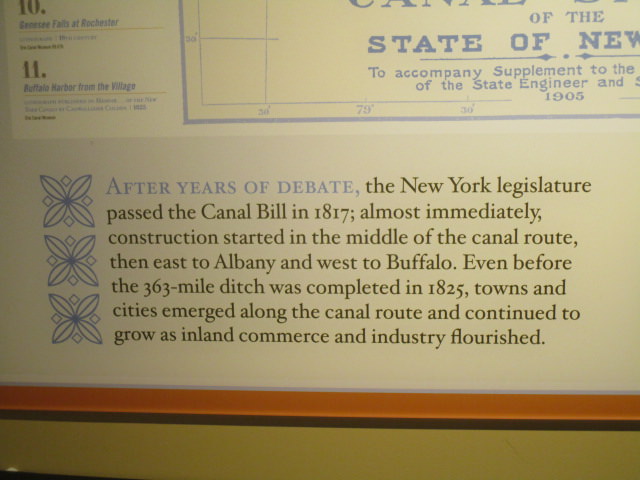
After years of debate in 1817 ,the New York Legislature passed the Canal Bill and work began immediately.

erie canal passing of canal bill work then started

In the end the Erie Canal was built solely by the state of New York.

erie canal designed and financed by part two

From beginning to end New York Gov. DeWitt Clinton relentlessly promoted its construction.  Skeptics just as forcefully derided it as Clinton’s Ditch, but Clinton would be vindicated.  The Canal fostered national unity and economic power.  It made New York the Empire State and New York City the nations’s prime seaport and seat of world trade.  The Erie Canal carried more westbound immigrants that any other trans-Appalachian canal.  Passengers traveled from Albany to Buffalo in five days, not the typical 2 weeks in a crowded stagecoach.  Freight rates fell 90 percent compared to shipping by ox-drawn wagons.

So the Canal began.  But what route to take?  Where would it terminate at its Western end?  Who would be the chief engineer for the project?  Where would the hands be found to construct it?

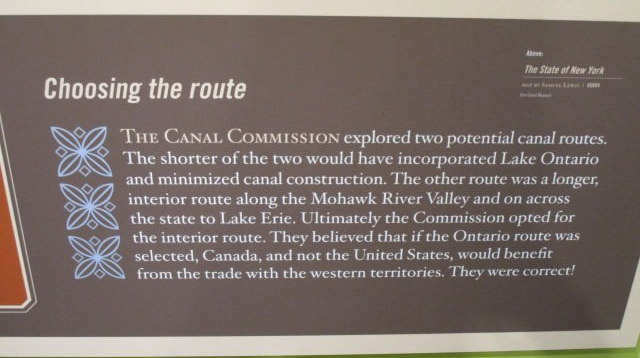
There were two routes that were considered.  One would have used Lake Ontario and minimized canal construction.  The other route was a longer, interior route along the Mohawk River Valley and on across the state to Lake Erie.  In the end the interior route was chosen.

erie canal choosing the route

Image result for original erie canal route

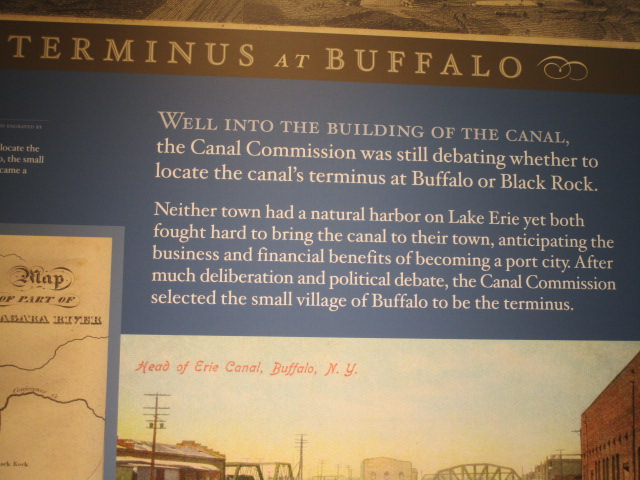
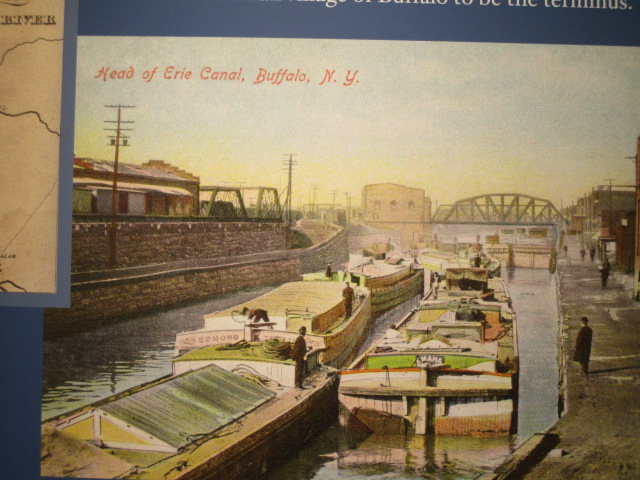
Where would it terminate at it’s Western end?  Would it be Buffalo or Black Rock?  In the end the Canal Commission selected the small village of Buffalo to be the terminus.

erie canal where to end the controversy

erie canal where to end the controversy 2 buffalo

Image result for buffalo erie canal

The port city of Buffalo is both a testament to and beneficiary of the canal’s power. The endless traffic of Great Lakes ships, canal boats and railcars directly influenced the growth and prosperity of the city making it an icon of culture, architecture and the arts.

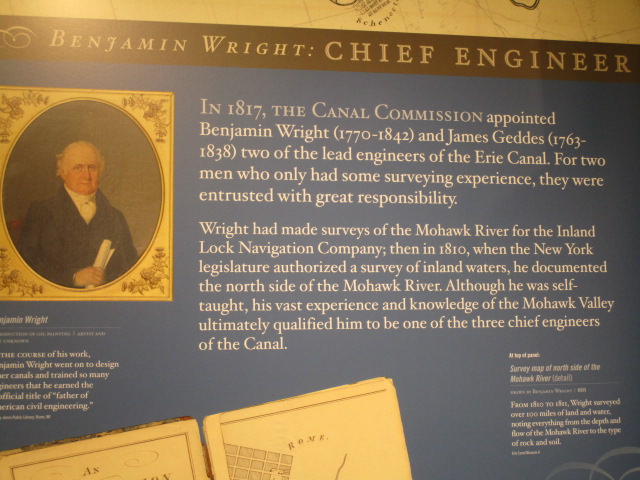
Who would be the chief engineer for the project?  In 1817 the Canal Commission appointed Benjamin Wright one of the lead engineers of the Erie Canal.  Although he was self taught, his vast experience and knowledge of the Mohawk Valley ultimately qualified him to be one of the chief engineers of the Canal.

erie canal ben wright chief engineer

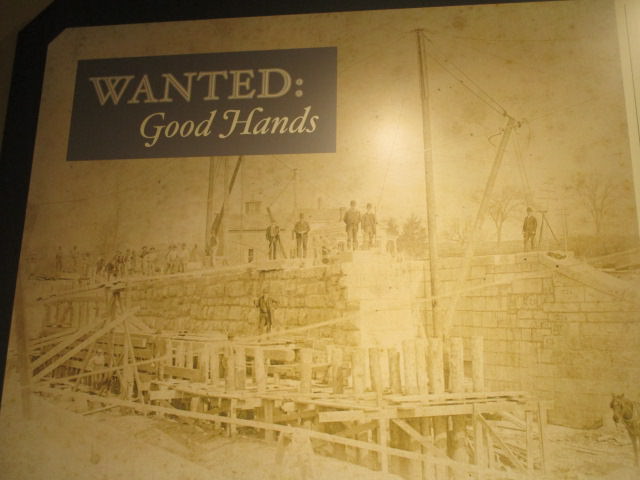
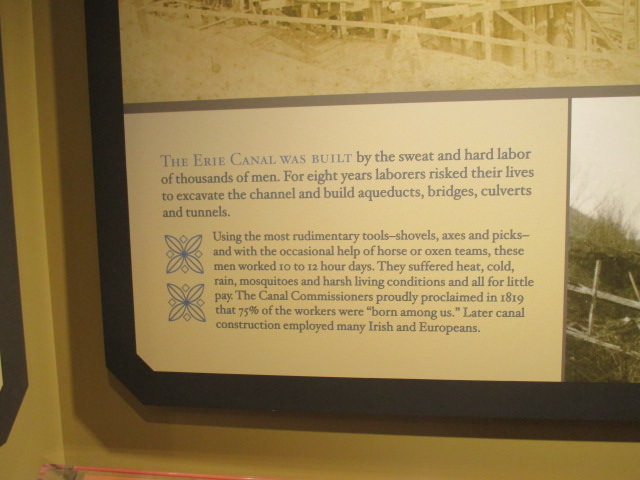
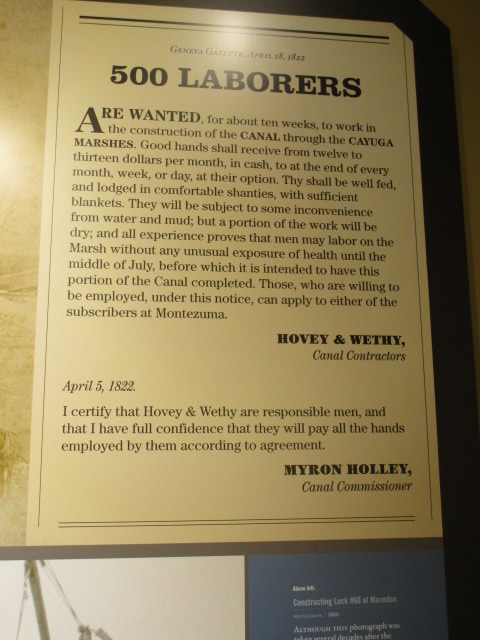
Where would the hands be found to construct it?  Some laborers were Irish immigrants, but most were US-born.  For eight years of wet, heat, and cold, they felled trees and excavated, mostly by hand and animal power, mile after mile.

erie canal laborers 3 start with this one

erie canal laborers 1

erie canal laborers 2

We’re going to call it a wrap for now.  Tomorrow I’ll share with you some of the challenges involved in constructing various sections of the Erie Canal.  I will also share with you pictures of a boat we took locking through a still working lock as it was on its way from Lake Cayuga to the Thousand Islands.

We had an absolutely fantastic day – yea, even though the car was a bummer – and we once again did it our way, traveling along, singing our song, side by side.  We thank you for joining us on our journey and hope you enjoyed our adventure of discovery.  For now I’ll say goodnight and leave you with this to ponder on:

Image result for god grant me the serenity to accept the things i cannot change

As always,  if you are coming to the end of your day with concerns and worries, let me suggest that you turn them over to God.  After all, He is going to be up all night so why not let him handle them for you.

Time now for our evening prayers and eventually some shut-eye.  Till tomorrow.

These are the voyages of  Graybeard and it’s occupants, four paws and two humans.  Our continuing mission: to explore as many new states as possible, to seek out new acquaintances and make new friends, to boldly go where we have not been before

July 19th, Thursday – Little Graybeard throws another Hissy fit; Making over the interior of Graybeard, part one ordering all the bits and pieces

Just when you think you can depend on Little Graybeard, it goes and gives us fits again.  Thankfully, nothing major this time but it’s annoying, none the less.  I gave up our Elantra

Image result for 2013 gray chevy sonic

with over 60,000 miles on it and it never, ever was in the shop for anything other than oil changes.  But you couldn’t flat tow it, hence the change.  US car makers just don’t know how to make a reliable car.  Oh, by the way, the original issue we had back in November still has not been resolved.  We’re still waiting on the part.  I doubt that we’ll ever see it in our lifetime!  Anyway, 9 am this morning, I was at the dealer.  No, it isn’t fixed yet, they had to order a part which is supposed to be in tomorrow.  Needless to say, I’m not holding my breath on this part either.  At least we’re still able to use the car the way it is.

The next part of the day we spent paying bills.  Now we need to get our financial records up to date.  One thing at a time.  Sooner or later I’m sure it will all be straightened out.  One step at a time.

Then the real fun began and didn’t end until after supper tonight.   Today we in a sense began the upgrades on Graybeard.  Today we went shopping and ordered a bit of

Image result for carton shopping spree

everything.  We started by ordering covers for our sofa and recliner.  We ordered the back splash titles for the kitchen.  We ordered accessories for the bathroom.  We ordered rugs for the kitchen.  I, of course, threw in a few odds and ends, a guy after all has to have his gadgets!

Then the real fun began.  We had removed the dinette with the intent of replacing it with free standing cabinets, and a free-standing table with chairs.  So Barbara went on the

Graybeard deconstruction new empty space

hunt for just what she wanted.  She knew what it had to be and she was not to be denied.  Hour after hour, one web site after another.  Finally, after supper she found it.  Want to guess where?  Of course, on Amazon!  Is there anything they don’t have.  Everything will be arriving next week.  I’m sure we’ll be on a first name basis with the UPS delivery driver by the end of the week!  We’re excited and can’t wait to see the change in Graybeard when everything is in place.  Stay tuned for plenty of pictures.

That was the way our day went.  At times interesting, other times frustrating, but in the end very productive.  What better kind of day can one ask for.  Of course, as always, we did it together, hand in hand, singing our song.  Tomorrow, fingers crossed Little Graybeard will be fixed – again.  After that we will be off to do some sightseeing.

Thanks again for joining us today.  We hope you, too, had a great day.  Day by day we count out blessings and thank the good Lord for the wonderful life of adventure and discovery that we are living.  It seemed such a far off dream just a few years ago but today here we are living our dream.  So hang in there, if you’re still chasing your dream don’t give up.  Dreams do come true,  we are living proof of that.  Now a thought for each of us to ponder:

Image result for inspiring quotes power of dreams

As always,  if you are coming to the end of your day with concerns and worries, let me suggest that you turn them over to God.  After all, He is going to be up all night so why not let him handle them for you.

Time now for our evening prayers and eventually some shut-eye.  Till tomorrow.

These are the voyages of  Graybeard and it’s occupants, four paws and two humans.  Our continuing mission: to explore as many new states as possible, to seek out new acquaintances and make new friends, to boldly go where we have not been before

July 18th, Wednesday – Sodus Bay Lighthouse; A Birthday to Remember; God’s Beautiful People

So, since we were not moving today, it was time to take everything back out.  Out came the patio awning, out came the patio mat, out came the turtle and flowers, and on went the tire covers,  Hey, I need the practice!

Today was a really nice one.  Reasonable temperatures, a cool breeze and not a hint of rain.  What more could one ask for.  It is so nice to be able to leave the windows open and let the breeze blow through.  I’ll take as many days like this as the good Lord is gracious enough to give us.

Well, today was the day, another day older for me, but not necessarily wiser nor richer!  What a wonderful 70th birthday it was.  Thanks one and all for the birthday wishes.  A special thanks to my loving wife for making this an absolutely fantastic day.

First, knowing my love for history she took me to the town of Sodus Bay for a tour of the Sodus Bay Museum and Lighthouse.   Regarding the lighthouse, in 1824 Congress appropriated $4,500 to construct a lighthouse tower and keeper’s residence at Sodus Bay.

By 1869, both structures had deteriorated to the extent that Congress appropriated $14,000 to build a second lighthouse to replace the original tower.  This second stone lighthouse building, with its attached tower and Fresnel lens, was completed in 1871 and became the residence of Sodus Lighthouse Keepers for the next 80 years.  This same lighthouse is still preserved in excellent condition, and has been run as a Maritime Museum by the Sodus Bay Historical Society.  This is the lighthouse from the front showing the old keepers quarters which today houses the museum.  The original keepers quarters contained a living room, dinning room, and kitchen.  There were bedrooms on the 2nd and 3rd floor that could only be accessed by the lighthouse tower stairs.  Within this modest home at one time lived the light keeper, his wife and their eleven children!

Image result for sodus bay lighthouse

This is a view of the lighthouse from the rear in the which the original lighthouse is seen.  This lighthouse was decommissioned in 1901 in order to save on the cost of kerosene.

Image result for sodus bay lighthouse

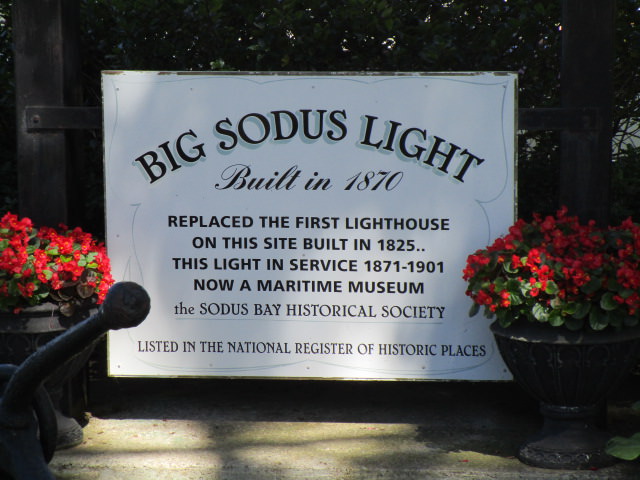
This is a closeup of the sign out front.

sodus sign close up

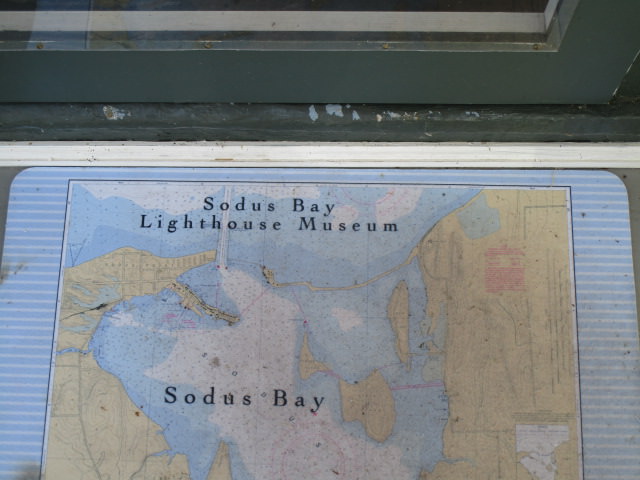
The door mat at the front door.

museum door mat at frt door

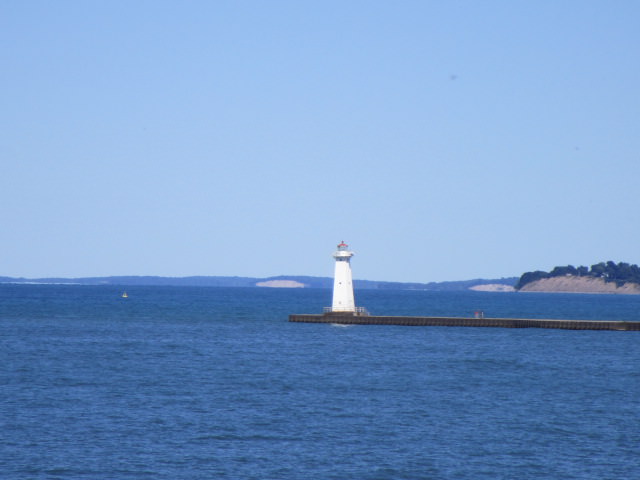
Today the lighthouse is no longer active.  It has been replaced by a lighthouse that is now set at the end of a pier that marks the entrance to the bay.  The first light on the pier was built in 1836.  In 1872, an elevated walk was built on top of the pier that allowed access to the lighthouse without a boat.  In 1938, the original wooden lighthouse was replaced with a steel structure set on a concert base.  Finally, in 1988, the light was automated and a Fresnel lens was placed in it .  This is a picture of that light today as seen from the top of the original lighthouse.
 

sodus bay light current

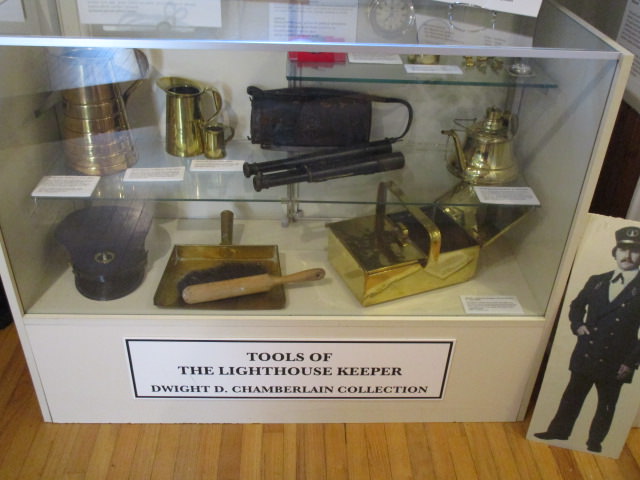
Within the museum there was an excellent display of the light keepers tools of the trade.

us lighthouse service equipment tools of the lightkeeper

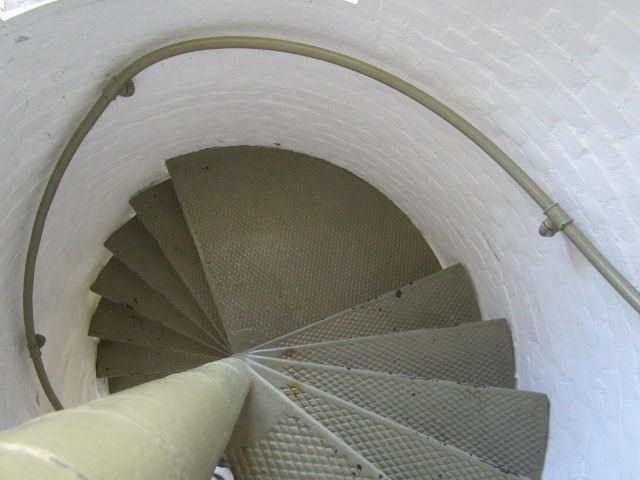
Today the original lighthouse is open to the public.  There are 52 steps leading to the top.

stairs to the top

Remember I said earlier that these stairs were the only way the 2nd and 3rd floors of the keepers quarters could be accessed.

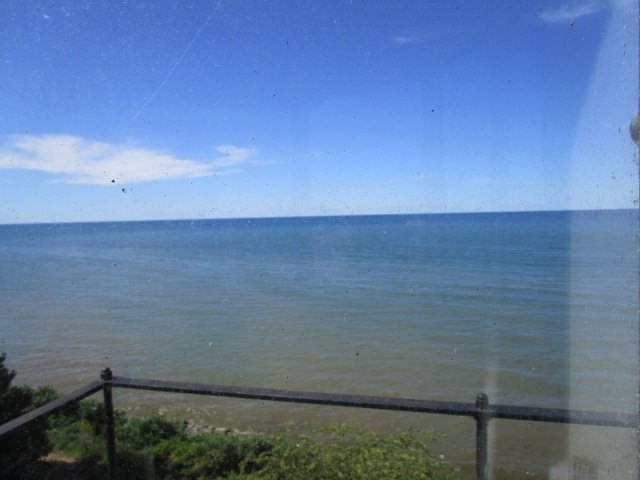
Once to the top – oh yes I made it – the view is spectacular.  This is Lake Ontario which is 193 miles long and 53 miles wide at its widest point.  Perhaps small in comparison to the other great Lakes but by no means is it a Lake to be taken lightly.  Hundreds of ships have been lost to storms on its waters, and there other ships that have simply vanished and as of today no one knows where they went.

lake ontario fm the top

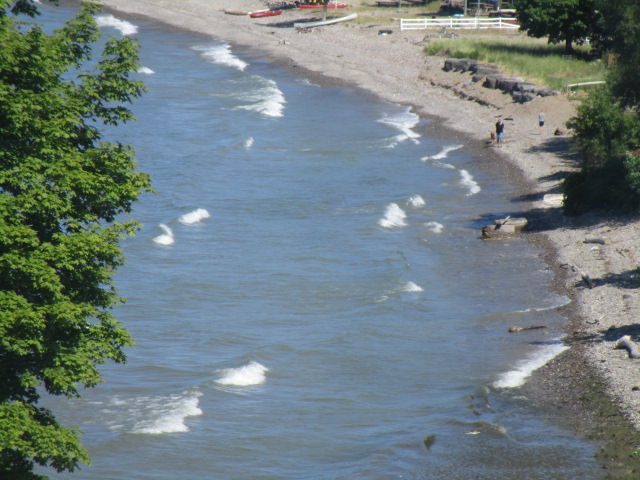
This is the Sodus Bay Beach viewed from the top.

beach fm top of old light

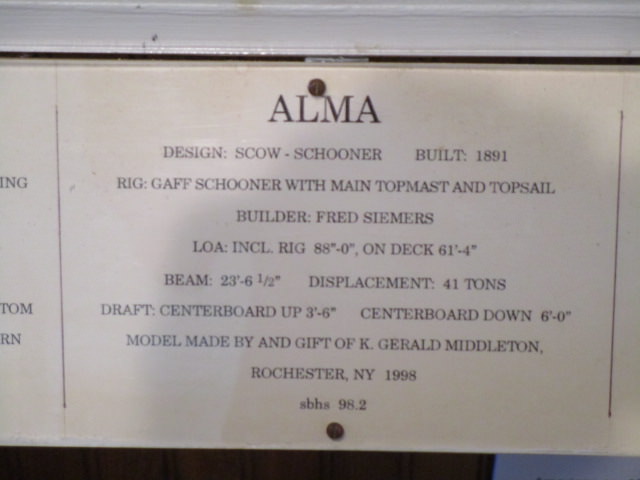
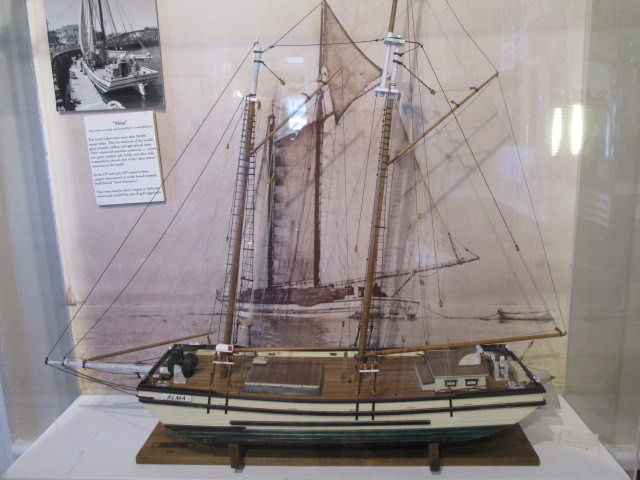
Within the Museum there are also various other exhibits.  There was an exhibit of the working boats that once called Sodus Bay home.  The first exhibit highlighted the AlmaAlma was a flat-bottomed, two-masted schooner used in the late 1800’s and early 1900’s by the U.S. Lighthouse Service to supply lighthouses.  She was 88′ long with a beam of 23′ and a draft of 3’6″.

alma description

alma model of

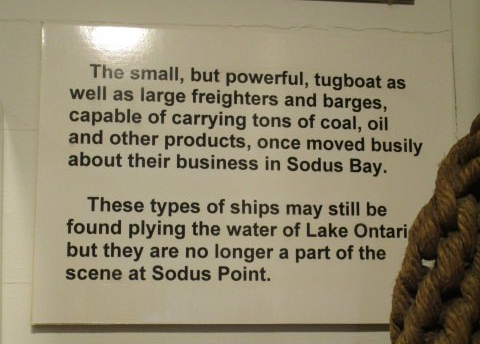
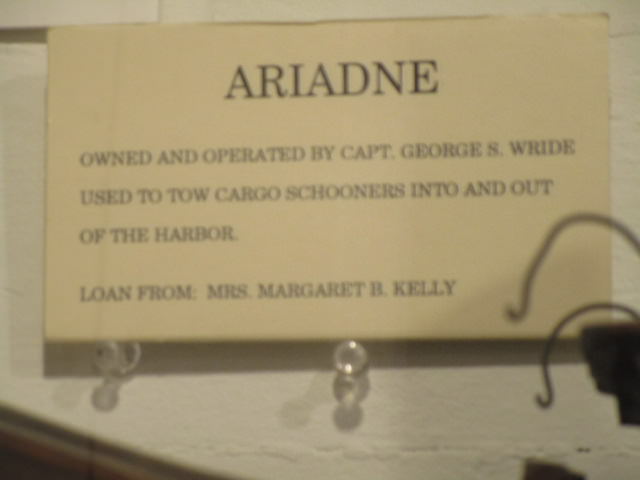
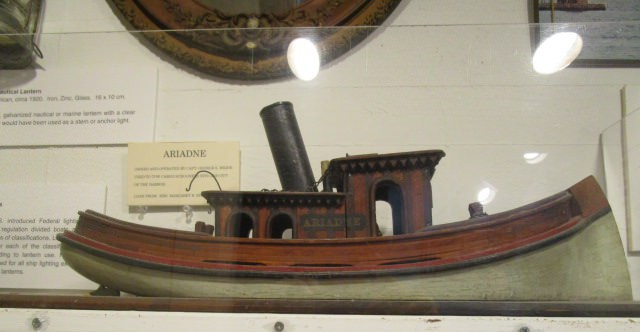
Another exhibit featured the tugboats that used to sail the waters in and around Sodus Bay

ariadne-tugboat-explained.jpg

ariadne explained

ariadne-model-of.jpg

Finished with the Museum, we were just getting ready to leave when we met two more of God’s beautiful people, Mike and Sandy who are out here, from the state of Washington, to see their son.  We had a wonderful time sharing with these two beautiful Christian people.  Their son is a part of Christian Athletes an organization in which its members use their faith and their athletic abilities to impact the world for Christ.   We are so thankful that God brought them into our lives.  We will remember them for a long time to come.

gods beautiful people

Hold on, the day is not over yet.  My beautiful wife had one more wonderful surprise in store for me.  Dinner out at a delightful restaurant in Sodus Bay called Captain Jack’s.

Image result for sodus bay captain jacks

Can you say fish?  Blackened fish?  Delicious fish that melted in my mouth.  It was the perfect ending to a perfect day.  Just think, if I hadn’t pulled the plug on moving, what a meal I would have missed.  (Bill would have gone to a different restaurant if we would have moved).  All I can say is thank you sweetheart for a fantastic birthday!

So that was our day.  A delight from beginning to end.  One could not have asked for a more beautiful way to spend the day.  And the day was even better because, as always, we journeyed through the day, hand in hand, singing our song.  Sweet.  Ok, a thought now for all of us to consider:

Image result for at some point you just have to let go of what you thought would happen

As always,  if you are coming to the end of your day with concerns and worries, let me suggest that you turn them over to God.  After all, He is going to be up all night so why not let him handle them for you.

Time now for our evening prayers and eventually some shut-eye.  Till tomorrow.

These are the voyages of  Graybeard and it’s occupants, four paws and two humans.  Our continuing mission: to explore as many new states as possible, to seek out new acquaintances and make new friends, to boldly go where we have not been before